
- Looking ahead, India’s ability to balance its export portfolio will be crucial
- Expanding EV shipments to Europe and other developed markets could help offset volatility caused by trade barriers elsewhere, while sustained demand for ICE vehicles in emerging economies continues to provide scale
- Together, these trends underline how India’s auto export strategy is evolving in response to a rapidly changing global landscape
India’s automobile export story is entering a new phase, with Europe emerging as a key growth destination for electric vehicles (EVs) even as traditional markets continue to rely heavily on internal combustion engine (ICE) models. The shift comes at a time when global trade dynamics are becoming more complex, highlighted by Mexico’s recent decision to impose tariffs of up to 50 per cent on select imports from India and China.
Mexico has long been one of India’s most important overseas markets for automobiles, ranking as the third-largest destination for car exports. The new tariffs have raised concerns for Indian manufacturers, who now face the challenge of protecting volumes and margins in a price-sensitive market. As policymakers and industry players work to secure access to Mexico, India’s growing footprint in Europe is offering a potential cushion against near-term disruptions.
- Overall, India’s car exports rose sharply in the first seven months of FY26 (April to October), increasing by 20.53 per cent year-on-year to $6.23 billion
- This growth has been driven not just by higher volumes, but also by a change in the mix of vehicles being shipped abroad
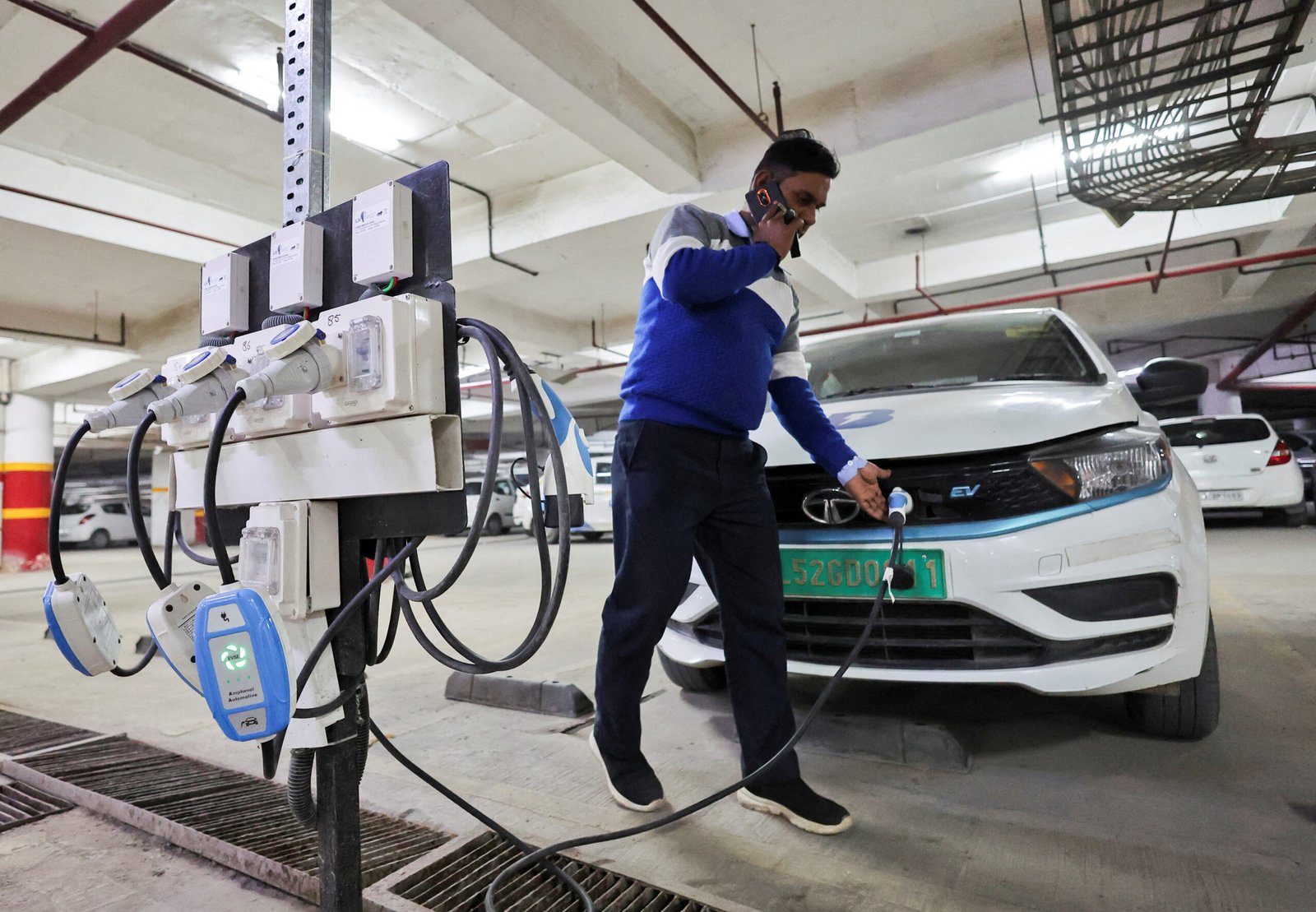
- Europe, in particular, has shown strong appetite for India-made electric cars, aided by the continent’s stringent emission norms, incentives for clean mobility, and rising consumer acceptance of affordable EVs
Exports to Europe more than doubled during the period, climbing from a relatively low base of about $140 million in the same months of FY25 to well over twice that level in FY26. Indian manufacturers have leveraged cost competitiveness, improving quality standards, and compliance with European regulations to make inroads into markets that were once considered difficult to penetrate.
In contrast, India’s exports to Africa and Latin America continue to be dominated by ICE vehicles. These regions remain price-driven, with limited charging infrastructure and slower EV adoption, making conventional petrol and diesel models more practical for consumers. As a result, while volumes remain steady, the technology transition seen in Europe has yet to fully materialize in these markets.