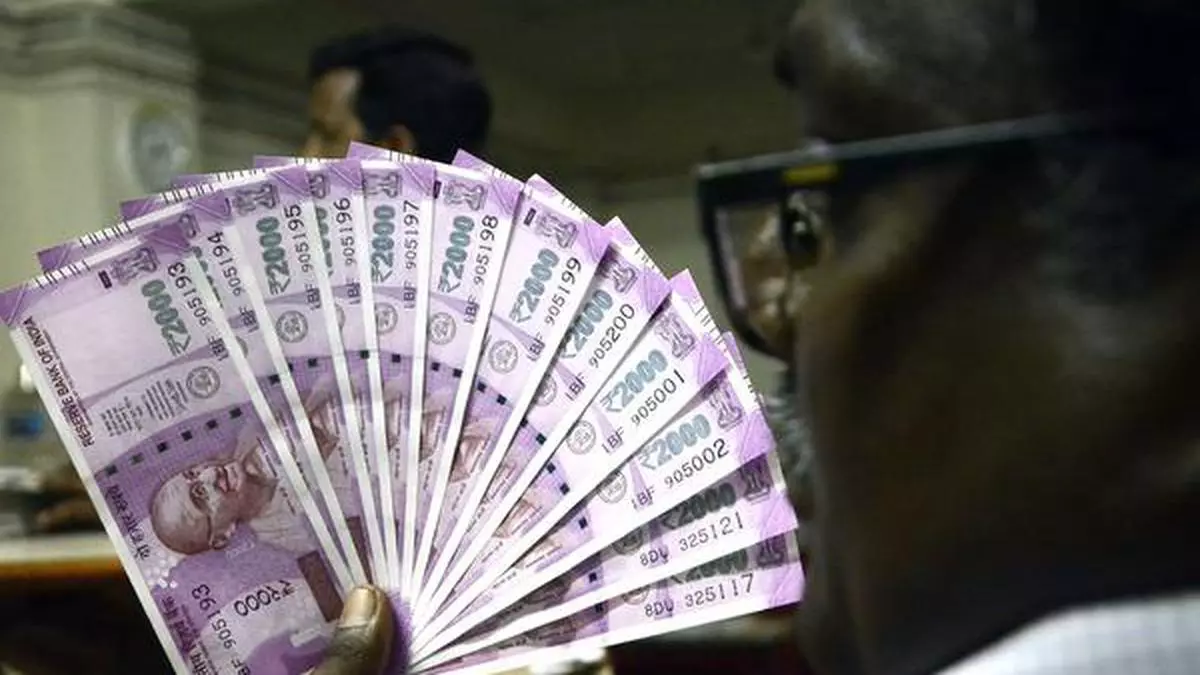


Analysts expect Indian currency to strengthen further amid RBI intervention, Fed rate cuts, and potential US-India trade deal
Indians in the UAE planning to send money home are being advised to remit soon, as the Indian rupee is projected to strengthen further against the US dollar in the coming weeks, reported thenationalnews.com.
The rupee’s recent rally and expectations of continued gains could impact remittance timing, with experts suggesting that now may be the most favourable period for transfers.
The Indian rupee has strengthened from 88.87 to 87.69 against the dollar, marking its longest stretch of gains since June. Over the next three to six months, experts predict the USD/INR exchange rate will remain within the range of 86.80–88.50, showing a mild downward trend.
Remittance activity in the UAE — primarily driven by essential family transfers, school fees, and EMIs — is expected to remain stable, though the stronger rupee could influence non-essential or savings-related transfers.
“Stronger exchange rates don’t discourage remittances; they simply alter the timing,” said Hasan Al Fardan, CEO of Al Fardan Exchange. He noted that while regular obligations continue as usual, transfers linked to savings or investments may pause briefly until rates stabilise.
Analysts cite RBI’s active dollar intervention, strong foreign inflows, and positive GDP projections as key factors behind the rupee’s strengthening trend
According to Vijay Valecha, Chief Investment Officer at Dubai-based Century Financial, the Reserve Bank of India (RBI) has been actively defending the rupee by selling dollars through state-run banks while maintaining liquidity. Foreign investors have poured over $1 billion into Indian equities in the past week, a trend that could accelerate if a US-India trade deal materialises.
India’s GDP is forecast to rise from 6.7% to 6.9% in FY 2026, boosting investor confidence in rupee-denominated assets. “India’s high real interest rate compared to Asian peers and the rupee’s recent undervaluation make it attractive for carry trades,” Valecha added.
Expected rate cuts by the US Federal Reserve later this year could further weigh on the dollar, providing additional support to the rupee.
Remittance patterns show that blue-collar workers tend to remit soon after payday, while white-collar professionals time transfers for better rates, experts note.
During festive seasons such as Onam and Diwali, remittance volumes rise regardless of rate fluctuations, said Al Fardan. However, he observed more customers setting rate alerts and checking prices before completing transfers amid the rupee rebound.
For larger remittances or investments, Valecha recommends using hedging tools like forward contracts or target orders to lock in favourable exchange rates and reduce exposure to market volatility. He also suggested a “systematic remittance plan” — sending smaller, regular amounts to average out rate fluctuations and mitigate timing risks.