

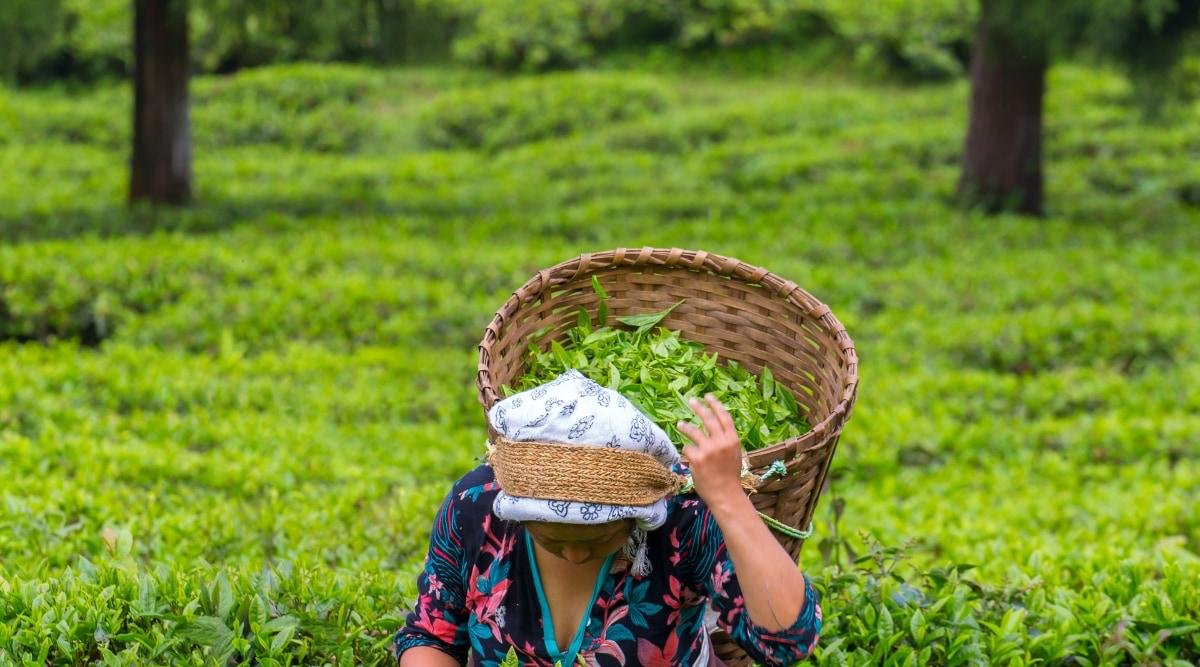
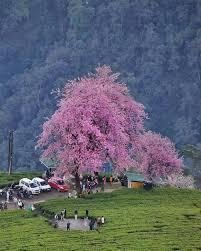
“Rural tourism in Sikkim is deeply connected to agriculture and harvest cycles. The cherry blossom, locally known as the Payu tree, blooms for just 15 to 20 days and symbolises the paddy harvest, a time of abundance and celebration.”
— ACT convener Raj Basu
Tea and tourism may sound like an unusual pairing, but in India, tea is far more than a beverage, it is a living heritage that carries generations of legacy, labour and landscape. From misty Himalayan slopes to carefully nurtured estates, India’s tea gardens have long shaped cultures and communities. In South Sikkim’s Temi–Namthing region, this legacy is now being reimagined as an immersive travel experience, where tea, nature and tradition come together under blooming cherry trees.
Set against the scenic backdrop of the Temi Tea Estate, the only working tea garden in Sikkim, the region is preparing to turn shades of pink as the Association for Conservation and Tourism (ACT) hosts a three-day Cherry Blossom Festival every year. The festival places tea tourism at its heart, blending rural life, cultural exchange and ecological experiences, while opening new avenues for sustainable tourism in the Himalayan state.
Designed to promote rural tourism through cultural exchange and local participation, the festival will also introduce astro-tourism to Sikkim for the first time, inviting visitors to witness the crystal-clear Himalayan night skies during the post-harvest season.
ACT convener Raj Basu said the initiative aims to spotlight lesser-known villages and create sustainable tourism models rooted in local traditions. Three villages Gangchung, Ben and Chalamthang, located around 70 km from Gangtok have been selected for their distinct cultural and ecological character.
“Gangchung and Ben are predominantly Sherpa villages. During the festival, we will inaugurate a new trekking route to Tendu Hill, which rises to 9,500 feet,” Basu said. “Another major attraction will be a scenic drive through roads lined with blooming cherry trees inside the Temi Tea Estate, offering visitors a rare experience of tea tourism amid blossoms.”
During the cherry blossom season, the estate transforms into a visual spectacle, drawing nature lovers, photographers and tea enthusiasts alike.
The festival will also highlight Chalamthang, Sikkim’s first ‘vegetarian village’ and a recognised model village. Visitors can explore its sustainable lifestyle, sample organic local cuisine, and enjoy cultural performances and village-led experiences.
Why does Temi Tea hold a special place?
Temi Tea Garden traces its origins to a defining moment in Sikkim’s history. In 1969, the last Chogyal of Sikkim, Palden Thondup Namgyal, established the tea plantation in the aftermath of the Chinese invasion of Tibet, when Tibetan refugees sought shelter in the then-independent kingdom. Initially set up in Ravangla, the estate was later shifted to Temi, where gentle slopes, loamy soil, moderate erosion and a favourable climate created the perfect conditions for cultivating tea.
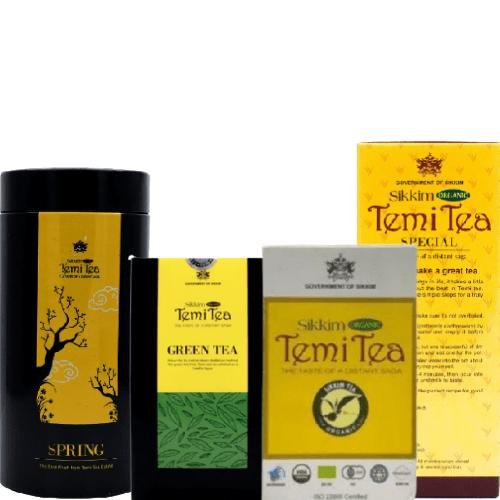
Today, Temi stands as the only tea estate in Sikkim and a symbol of sustainable excellence. Managed by the Government of Sikkim, it was declared a 100 per cent organic estate in 2008, following strict international standards. Known for its hand-plucked leaves and delicate, golden-hued brew, Temi produces premium black and green teas for global markets. Free from pan-frying and rich in antioxidants, Temi green tea reflects the estate’s deep respect for nature, quality, and tradition.

According to Basu, rural tourism in Sikkim is deeply connected to agriculture and harvest cycles. The cherry blossom, locally known as the Payu tree, blooms for just 15 to 20 days and symbolises the paddy harvest, a time of abundance and celebration.
“We want local communities to truly own this festival and celebrate it as the Payu Tour Fest of Temi-Namthing,” he said. “With clear skies during this period, astro-tourism fits naturally into the experience, allowing visitors to stargaze in an unpolluted mountain environment.”
As cherry blossoms bloom across the Temi tea gardens, the festival promises not just scenic beauty, but a thoughtful blend of tea, tradition and tourism, rooted firmly in Sikkim’s rural heartland.
How to prepare Temi Tea
Bring fresh water to a boil, warm the pot, add 1 tsp leaves per cup, steep covered for about 3 mins, then strain and serve.
(Pallavi Sharma is a Lucknow-based tea blogger and founder of Saptdhatu, a drinkable skin-care venture that blends wellness with ancient wisdom.)