

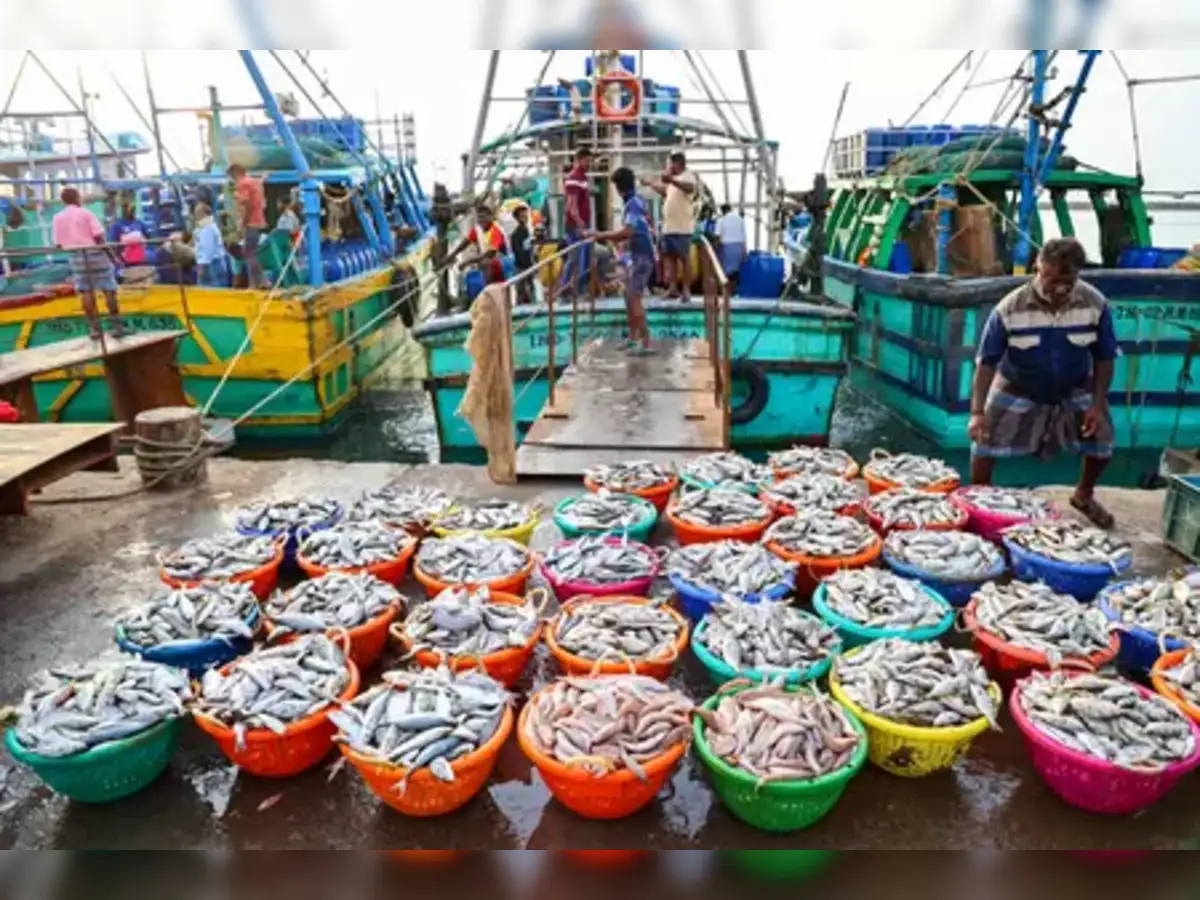
While negotiations with the US remain unresolved, India’s push to diversify markets signals a long-term strategy to safeguard seafood exports against geopolitical and trade-related disruptions
India is stepping up efforts to diversify its seafood export destinations following the imposition of steep tariffs by the United States, a move that has disrupted one of the country’s most important overseas markets. With the US levying a 50 per cent tariff on Indian exports, including marine products, the government has intensified measures to reduce dependence on a single market and strengthen the resilience of the seafood sector.
According to the Ministry of Commerce and Industry, the Marine Products Export Development Authority (MPEDA) has taken the lead in expanding India’s global footprint. The authority is actively engaging new and emerging markets by organising trade delegations, facilitating buyer–seller meets, and participating in major international seafood exhibitions across Asia and Europe. These initiatives are aimed at connecting Indian exporters with a broader base of global buyers.
Recently, reverse buyer–seller meets held in Chennai and New Delhi enabled more than 100 direct interactions between foreign buyers and Indian exporters, helping businesses explore alternative trade opportunities. In parallel, MPEDA has been conducting awareness programmes on free trade agreements (FTAs) to ensure exporters can effectively leverage preferential access and reduced tariffs in partner countries.
-
The Department of Commerce is also accelerating negotiations on key FTAs, particularly with the European Union, to address long-standing market access challenges
-
Government officials believe that concluding such agreements will open new avenues for Indian seafood, especially value-added products, in high-demand markets
Highlighting the broader strategy, Minister of State for Commerce and Industry Jatin Prasada noted that the Department of Fisheries has engaged with embassies and high commissions of several countries, including Australia, Japan, the UK, Russia and Southeast Asian nations. These discussions have focused on strengthening trade ties, improving quality compliance, enhancing biosecurity standards, upgrading cold-chain infrastructure, and promoting collaboration in processing, automation, research and skill development.
On the domestic front, shrimp farmers and exporters are receiving financial and institutional support under the Pradhan Mantri Matsya Sampada Yojana, which has an outlay of ₹20,050 crore. The scheme aims to promote sustainable aquaculture, value addition, certification and export competitiveness.