

-
When NRIs return home, India feels faster, cost-savvier, and digitally unrecognizable
-
Together, these perspectives underline a broader reality: India’s pace of change can feel gradual to those living within it, but for those returning after years abroad, the contrast is immediate and striking
India’s rapid transformation is often most visible through the eyes of those who have lived abroad for years. Recently, two separate accounts shared by returning Non-Resident Indians (NRIs) sparked online conversations about how dramatically the country has evolved—economically, digitally, and culturally.
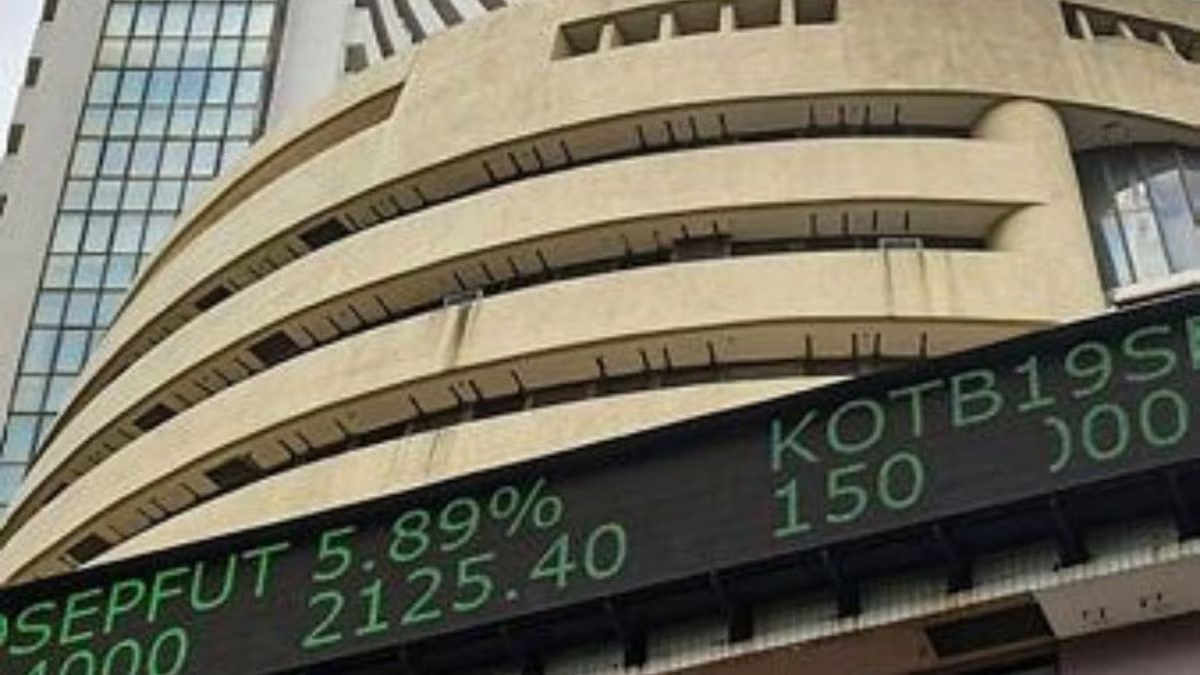
In one instance, Alok Jain, founder of WeekendInvesting and an IIT Delhi graduate, recounted the reaction of a friend who returned to India after spending eight years in New York. According to Jain, his friend was struck by the “amazing energy” across Indian cities and felt that the country’s growth was not only visible but accelerating. What surprised him most, however, was the relative affordability of everyday essentials.
From healthcare to connectivity, the contrast was stark. Jain noted that his friend compared India’s costs with his expenses in the US, where he reportedly pays hundreds of dollars each month for mobile and data services, tens of thousands annually for health insurance, and significant recurring property taxes. Against that backdrop, India’s lower medical bills, inexpensive mobile data, and accessible transport systems stood out. While the friend acknowledged that air quality in New York is better, he felt there were “many more good things happening” back home.
-
The post drew heavy engagement online, with users offering both agreement and nuance
-
Some pointed out differences in income levels, purchasing power, and what overseas costs typically include, arguing that simple currency conversion does not tell the full story. Others humorously latched on to the recurring trade-off: affordability and growth versus cleaner air
A similar sense of surprise emerged from another NRI who returned after seven years in Europe and shared their experience on Reddit. They described India as almost unrecognisable, citing the ubiquity of smartphones, the dominance of digital payments, and the deep integration of social media across age groups. Lifestyle shifts were also evident—modern fashion, premium gadgets, heavy traffic even in smaller towns, and a visible rise in aspirational consumption.
Reactions to this account were mixed. While some questioned why such progress seemed surprising after nearly a decade, others saw it as validation of India’s steady march toward a more developed, digitally driven economy.