
-
Despite global trade headwinds, industry participants remain optimistic
-
With rising health consciousness, expanding domestic consumption and diversification into new export markets, Indian fox nuts appear well-positioned to grow—even as tariffs reshape traditional trade routes
PRAVASISAMWAD.COM
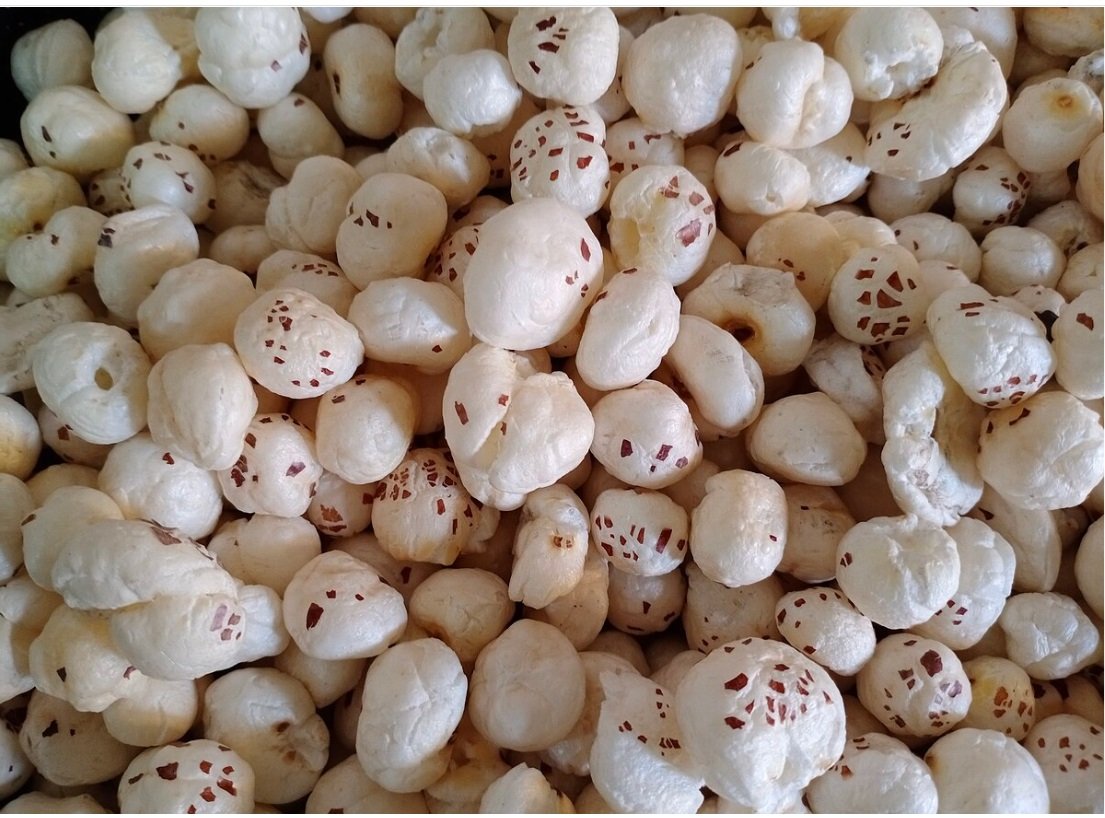
Indian foxnuts, popularly known as makhana, are facing fresh challenges in the global trade landscape as higher US tariffs disrupt exports. Yet, despite reduced access to one of their biggest overseas markets, the traditional superfood is proving resilient—supported by strong domestic consumption and growing interest in alternative international destinations.
The impact of recent US tariff hikes on Indian goods has been felt most sharply by consumers and exporters linked to America. In the United States, the price of fox nuts has nearly doubled in some stores, reflecting higher import costs. Exporters say shipments to the US, which historically absorbed about half of India’s fox nut exports, have declined by up to 40 percent. The tariffs, introduced in phases and now reaching 50 percent, have also affected other Indian export sectors such as textiles, diamonds and seafood.
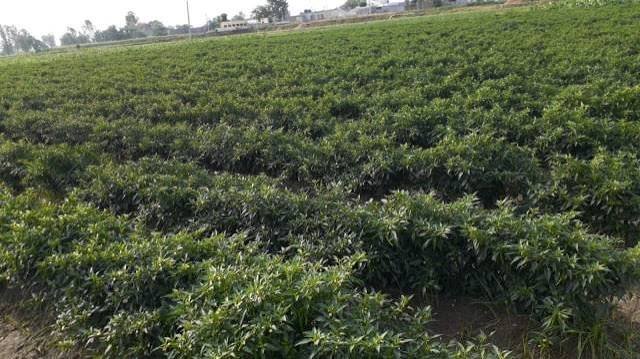
However, foxnuts are far from losing ground. India dominates nearly 90 percent of global production, with cultivation centred in Bihar’s low-lying regions. Around 150,000 farmers depend on the crop, which is grown in shallow water fields and harvested using traditional methods. The sector produces roughly 120,000 metric tonnes of seeds annually, yielding about 40,000 tonnes of popped makhana.
-
While exports to the US have slowed, producers are increasingly exploring new markets in Europe, Africa and Asia
-
Countries such as Germany, Spain, South Africa and those in the Middle East are emerging as promising destinations, driven by awareness of makhana’s nutritional value and demand from the Indian diaspora
-
Industry leaders note that the global fox nut market is still at an early stage, leaving significant room for expansion beyond niche consumers
At home, domestic demand has surged since the COVID-19 pandemic, when consumers began seeking healthier snack options. Once a staple in traditional Indian diets, fox nuts are now widely marketed in modern flavours and packaged formats, occupying prominent shelf space in supermarkets. This shift has attracted young entrepreneurs and boosted revenues across the value chain, from farmers to processors and exporters.
Government support has further strengthened the sector. The creation of a dedicated makhana board aims to improve training, quality standards and export facilitation, while higher farmgate prices have encouraged farmers and labourers to switch to fox nut cultivation due to better returns.