
As geopolitical interest in the Horn of Africa intensifies, India’s statement underscores its cautious and principled approach, balancing strategic interests with respect for international law and long-standing diplomatic relationships
PRAVASISAMWAD.COM
India has reiterated that its position on Somaliland remains unchanged, with the Ministry of External Affairs (MEA) underlining New Delhi’s continued support for Somalia’s sovereignty, unity and territorial integrity. The statement marks the first time the MEA has publicly addressed the issue of Somaliland’s recognition amid renewed international attention on the region.
Responding to recent developments, the MEA stressed that India engages with Somalia as a single, unified state and remains committed to peace, stability and development in the Horn of Africa through established international norms. Officials reaffirmed India’s longstanding ties with Somalia and highlighted New Delhi’s consistent policy of respecting internationally recognised borders.
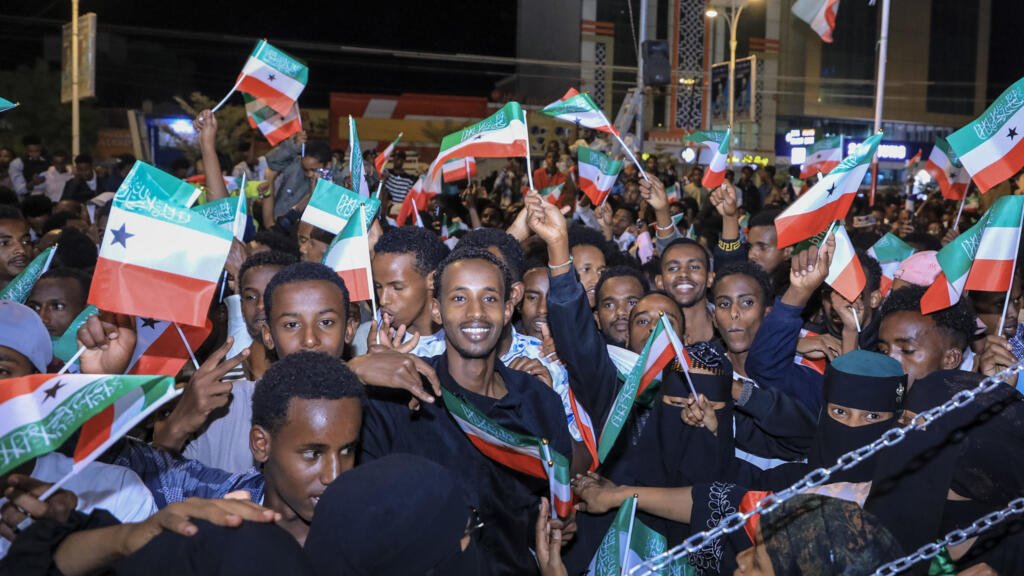
The issue has resurfaced after Israel became the first country to formally recognise Somaliland, a self-declared state in the Horn of Africa. Israel’s move has triggered diplomatic and strategic discussions, with analysts viewing the outreach in the context of Red Sea security, shifting regional geopolitics and efforts to counter hostile influences in the region.
-
Somaliland declared independence from Somalia in 1991 following the collapse of the Siad Barre regime
-
Since then, it has developed its own government, currency and security forces, and has maintained relative stability compared to the rest of Somalia
-
Despite these factors, Somaliland has not received international recognition and continues to be considered part of Somalia by the United Nations and the majority of the global community
India’s position aligns with broader international consensus, which emphasises Somalia’s territorial integrity while encouraging dialogue and stability in the region. The MEA has consistently supported Somalia’s reconstruction efforts and has contributed to capacity-building initiatives, humanitarian assistance and development cooperation in the country.
New Delhi’s emphasis on established international norms reflects its broader foreign policy approach, particularly in regions marked by complex political transitions and security challenges. By reiterating its stance, India has signalled that it will continue to prioritise stability and multilateral engagement over unilateral recognition moves that could alter regional dynamics.