

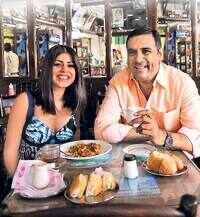
Few people embody the spirit of Irani cafés quite like Boman Irani — the actor who has often spoken about his Parsi roots with pride and affection. For him, bun maska dunked in Irani chai is not just breakfast, but memory, identity, and comfort served on a plate. This Navroze, that love found a charming echo when Boman shared an intimate, early-morning Parsi breakfast with actor and television personality Shenaz Treasuryvala.
Both making headlines in Bollywood for different reasons — Boman for his enduring performances and Shenaz for her fresh, sparkling presence — the two came together not on a film set, but over a table steeped in tradition. The menu, however, was non-negotiable: bun maska and Irani chai, enjoyed in the time-worn comfort of a Dadar Parsi Colony Irani café established in 1932.

Boman chose his chai just the way tradition demands — paani-kum, lightly brewed, generously milky, and served only in true-blue Irani cafés. Shenaz, lighting up the quiet eatery with her trademark million-watt smile, opted for an akuri paired with black Irani tea. As butter melted into warm buns and tea cups clinked softly, the breakfast became more than a meal — it was a celebration of heritage.
Irani cafés were set up in the late 19th and early 20th centuries by Persian immigrants who travelled to India via Iran. What began as modest eateries soon became cultural landmarks. These cafés weren’t about fancy menus or hurried service, they were about familiarity, affordability, and belonging.
The tea was always strong, milky, and comforting. The tables were marble-topped, the chairs heavy and wooden, and the ceiling fans moved lazily overhead. Nothing changed—and that was precisely the charm.
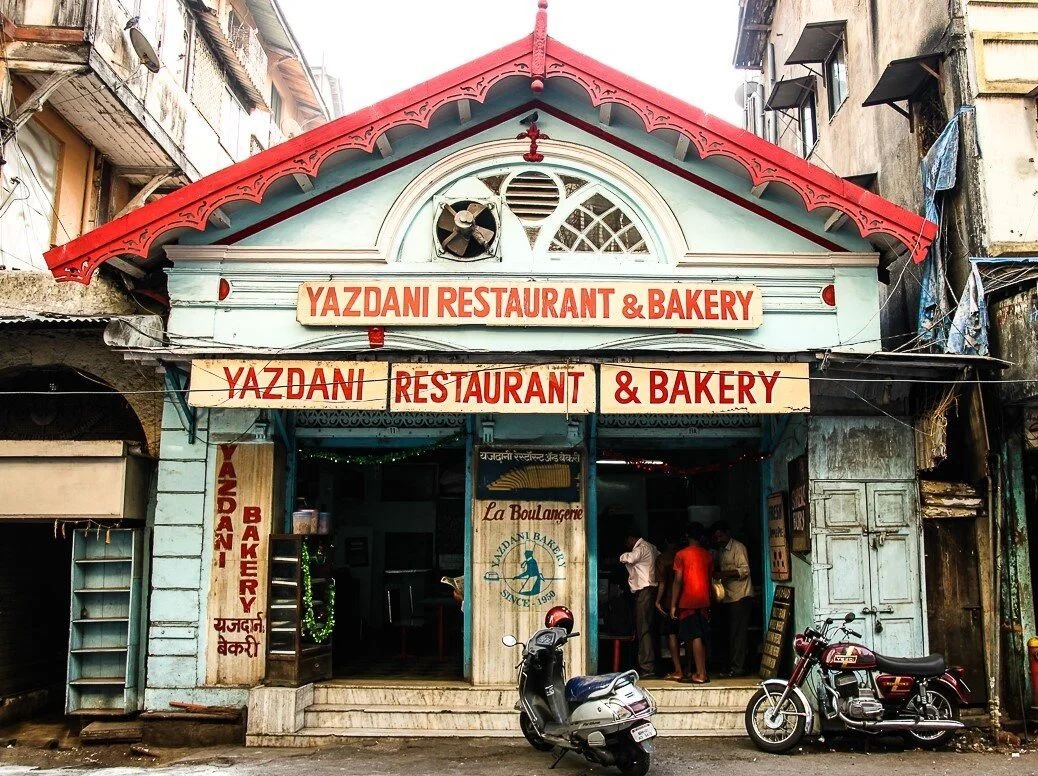
In Mumbai, Irani cafés like Kyani & Co., Britannia & Co., Yazdani Bakery, and Leopold Café have witnessed generations come and go. Office-goers, journalists, college students, and families all shared the same tables, sipping Irani chai and tearing into bun maska with unapologetic joy.
For NRIs, these cafés often bring back memories of post-school snacks, first job interviews, or lazy Sunday breakfasts. There’s something deeply grounding about watching a waiter in a crisp white uniform pour tea from a steel kettle—exactly as it was done decades ago.
Here, mornings begin with chai and bun, newspapers folded neatly on tables, and conversations that don’t rush. For those who studied in Pune before moving abroad, a visit back often starts here—because some habits don’t fade, no matter how far you go.
Hyderabad’s iconic Irani chai seems to have found a new admirer in actor Naga Chaitanya. A regular at the city’s famed Niloufer Café, the actor is frequently seen spotted sipping steaming Irani chai with director Venkat Prabhu. Hyderabad’s In Hyderabad, Irani cafés blend seamlessly into the city’s cultural fabric. Places like Niloufer, Nimrah Café, and Alpha Hotel serve chai that borders on legendary.
Hyderabad’s Irani chai is thicker, richer, and often paired with Osmania biscuits, a combination that feels almost ceremonial.
For NRIs, especially those with roots in the city, this is not just tea; it’s identity in a cup.
What sets Irani cafés apart is not just the tea, but the atmosphere. These cafés functioned as informal living rooms where strangers debated politics, writers scribbled ideas, friendships were formed, and silence was equally welcome.
In an age of quick coffees and digital menus, Irani cafés remind us of a slower rhythm of life, one where you linger, observe, and simply be.
Many Irani cafés have shut down over the years, unable to keep up with rising rents and changing tastes. Yet, those that remain stand resilient—quietly preserving a way of life.
For NRIs, visiting an Irani café isn’t just about nostalgia. It’s about reconnecting—with a version of India that values simplicity, conversation, and warmth. It’s a reminder that no matter how global our lives become, some comforts remain timeless.
So the next time you’re back home, skip the trendy café for once. Walk into an Irani café. Order a chai. Tear into a bun. And let time slow down—just like it used to.