
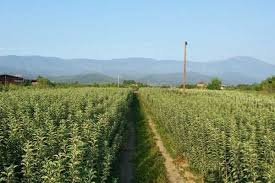
Kiwifruit once again led new plantings, even appearing for the first time in Agia, Thessaly, an area traditionally known for apples
Greek nurseries have ended this planting season on a strong note, driven by rising overseas demand and renewed interest from local growers. The planting window for deciduous fruit trees in Greece usually closes in early February, with only a few apple and almond saplings left in the ground. This year, however, a sharp rise in orders from India changed the balance of supply.
Indian buyers showed strong interest in apple saplings, closely studying offers from Italy and Serbia before settling on Greek nurseries, reported freshplaza.com.
According to Michalis Tsesmelis, owner of Tsesmelis Nurseries, Indian customers found Greece to offer the best mix of price and quality. Their bulk purchases meant fewer apple saplings were left for Greek farmers, and discussions are already underway for supplies in the next season and beyond
Another major milestone for Greek nurseries was the opening of the Moroccan market. After extensive coordination with the Greek Ministry of Rural Development and Food, saplings were exported to Morocco for the first time. These included peaches, nectarines, apricots, apples, pears, cherries and kakis. Exports also performed well in countries such as Azerbaijan, Jordan and North Macedonia, further strengthening Greece’s nursery trade.
Within Greece, demand remained healthy. Apricot saplings were especially popular in regions such as Pella, Imathia and Halkidiki, with growers preferring varieties that are self-fertile and resistant to sharka disease. Kakis continued to be a top choice, while interest in table peaches revived after better market prices last summer. Nectarine demand stayed stable, but cherry planting slowed due to labour shortages.