
More Than a Name: What baby surnames reveal about modern New Zealand
As New Zealand continues to evolve, the surnames given to its youngest citizens serve as a reminder that diversity is not new — it is part of the country’s living history
PRAVASISAMWAD.COM
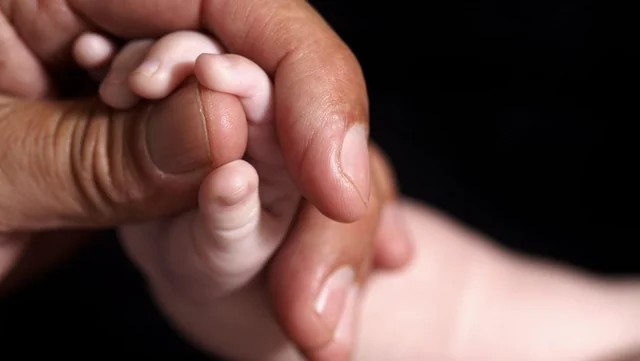
Names often tell a quiet story about a country’s people — where they come from, how they live, and how society is changing. In New Zealand, the surnames given to newborns are offering a clear picture of a nation shaped by migration, tradition and a growing mix of cultures.
One family name, in particular, continues to stand out. Singh has remained the most commonly registered surname for babies, reflecting the strong presence and deep roots of the Sikh community across the country.
Official figures from the Department of Internal Affairs show that more than 680 newborns were registered with the surname Singh in 2024, keeping it at the top of the list for the seventh consecutive year.
A decade ago, Smith was the most common surname in the country.
Close behind was Kaur, the second most common surname, with around 630 registrations. The traditionally dominant surname Smith came in third, with roughly 300 babies. Just over a decade ago, Smith held the top position, underlining how naming patterns have shifted alongside New Zealand’s changing population.
Regional data also highlights these changes
In the North Island, the most frequently registered surnames were Singh, Kaur and Patel
In the South Island, Kaur led the list, followed by Singh and Smith
According to Internal Affairs Minister Brooke van Velden, the figures are a clear reflection of New Zealand’s increasing cultural diversity
However, the conversation around surnames has not been without controversy. In late 2025, the Indian community expressed strong criticism after comments made by Regional Development Minister Shane Jones, who singled out common Indian surnames while speaking about demographic change. Community leaders described the remarks as hurtful and part of a wider pattern of political rhetoric that unfairly targets minorities.
theaustraliatoday.com quoted Historian Harpreet Singh, whose family has lived in New Zealand for more than 120 years. He said such language “has real consequences.”
He explained that surnames like Singh and Patel were tied to long-standing cultural traditions and historic migration from regions such as Punjab and Gujarat.
“When these names are politicised, it affects mental health, children at school, and even job opportunities,” he said.
The report in theaustraliatoday.com also quoted community curator Shanti Patel, who also highlighted the contributions of Indian migrants since the 1960s, from market gardening and retail to dairy farming and professional sectors, often in the face of discrimination.