

“Indian scientists abroad can help the country achieve its long-term development vision, including the goal of becoming a developed nation by 2047, under the “Viksit Bharat initiative.”
— Jitendra Singh
India’s Minister of State for Science and Technology, Jitendra Singh, has urged Indian scientists living overseas to contribute to the country’s scientific and technological progress, even while continuing their work abroad. He said modern digital tools make it easier than ever for researchers to collaborate across borders and support India’s development from anywhere in the world.
Speaking at a round-table session during the three-day Emerging Science, Technology and Innovation Conclave in New Delhi, Singh highlighted the need to change how India engages with its scientific diaspora.
“The country should move away from the traditional idea of “brain drain” and instead focus on “reverse brain drain”, where knowledge and expertise flow back to India through partnerships, mentoring, and joint research projects.”
The minister noted that while starting a new business or research venture has become easier, sustaining it remains a challenge. He stressed the importance of strong industry partnerships and long-term collaboration to ensure innovation leads to real-world impact.
According to him, science has the power to connect people and institutions beyond national boundaries, making global cooperation essential for progress.
Singh also encouraged Indian scientists abroad to act as ambassadors of India’s scientific renaissance.
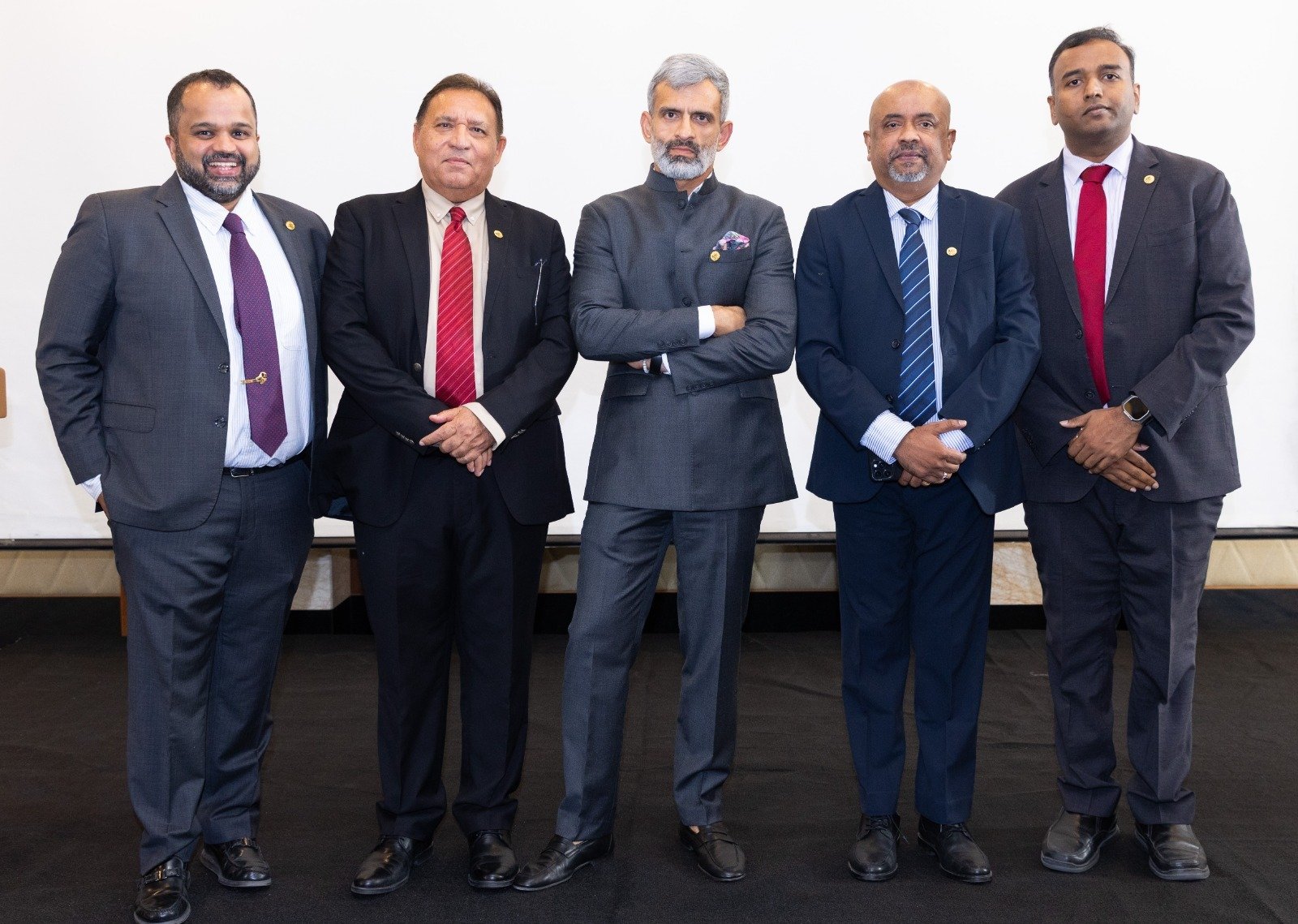
During the event, the minister interacted with Vaishvik Bhartiya Vaigyanik (VAIBHAV) Fellows from different parts of the world. These fellows are part of a programme designed to strengthen ties between India and its global scientific community.
The conclave brought together policymakers, researchers, and industry leaders to discuss emerging technologies, innovation strategies, and global collaboration, highlighting India’s ambition to become a leading hub for science and technology.