
-
Government officials in Bangladesh remain optimistic, viewing the pact as a step towards diversifying trade partners away from traditional suppliers like India
-
As details unfold, the focus will be on smooth implementation to support jobs and growth in this powerhouse sector
Bangladesh is gearing up to replace its imports of Indian cotton with supplies from the United States, following a landmark trade agreement signed on Monday, 9 February 2026. A spokesperson for the interim government in Dhaka confirmed the shift, highlighting how the pact opens doors to stronger US market access.
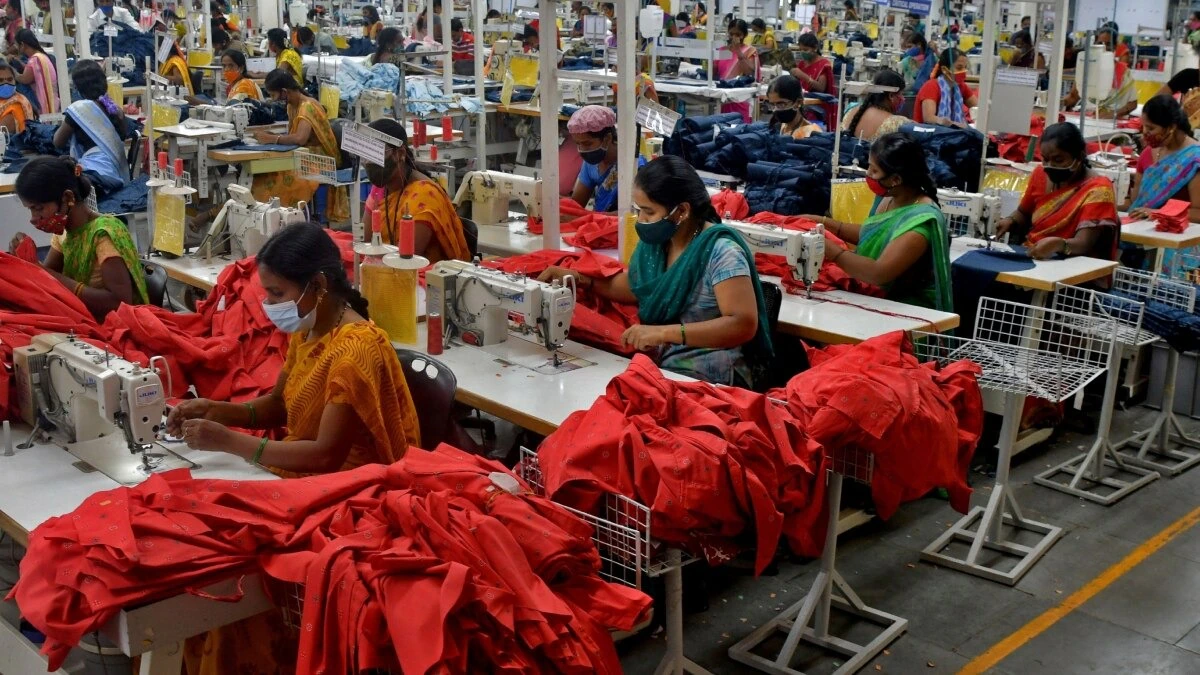
Shafiqul Alam, information adviser to Chief Adviser Mohammed Yunus, described the deal as a “game changer”. He told reporters it would boost Bangladesh’s position in the vital US market, a key destination for its exports. This comes at a time when the country’s textile sector – which relies heavily on cotton for garment production – seeks reliable, high-quality sources.
-
The agreement makes Bangladesh’s cotton market more appealing to American suppliers, according to leading economist Professor Selim Jehan from BRAC University in Dhaka
Jehan praised the move for enhancing trade ties but issued a clear warning: Dhaka must prioritise top-notch US cotton to avoid production hiccups. “Quality cannot be compromised,” he stressed, urging checks on fibre strength and purity.
Experts also flag potential downsides. While the deal locks in US cotton, it might limit Bangladesh’s options to shop around from other major producers like Australia or Brazil. This could expose the industry to price swings or supply shortages if US output falters. Bangladesh’s garment factories, which churn out billions in exports yearly, depend on steady cotton flows to stay competitive.