
-
Indian Prime Minister Narendra Modi Congratulated BNP leader Tarique Rahman
-
The election marks a major shift in Bangladesh’s political landscape and opens a new chapter in its relations with India
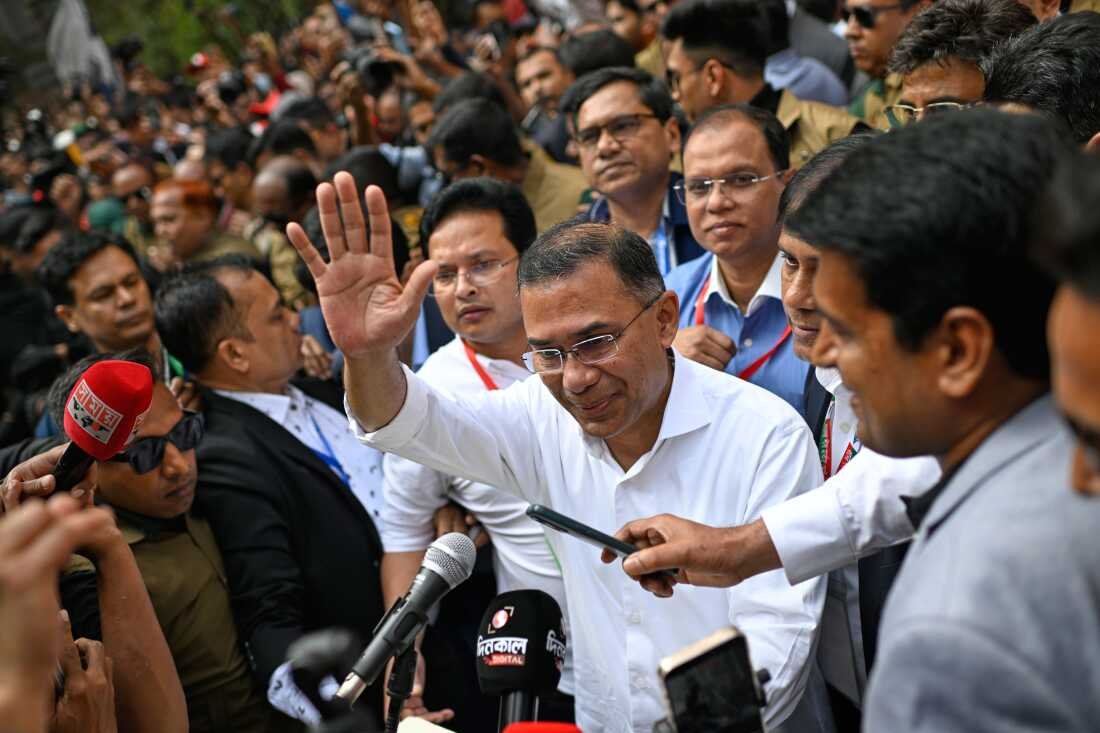
The Bangladesh Nationalist Party (BNP) claimed victory in Bangladesh general elections held on February 12. This was the first elections held in the country since a deadly 2024 uprising. Its leader Tarique Rahman poised to become prime minister.
The BNP secured a strong two-thirds majority, winning more than 200 seats in parliament. This is one of the party’s best performances in recent decades, even surpassing its 2001 election result. Observers believe the outcome could bring much-needed political stability after months of unrest following the removal of former Prime Minister Sheikh Hasina in a youth-led uprising in August 2024.
Indian Prime Minister Narendra Modi has congratulated Bangladesh Nationalist Party (BNP) chief Tarique Rahman on his party’s decisive victory in Bangladesh’s parliamentary elections, calling the result a sign of public trust in his leadership.
In a message posted on X, Modi said he looked forward to working with Rahman to strengthen ties between India and Bangladesh and to support a democratic, progressive and inclusive future for the neighbouring nation
Tarique Rahman, the son of BNP founder and former president Ziaur Rahman, is expected to be sworn in as prime minister. He returned to Dhaka in December after spending 18 years abroad. His father ruled Bangladesh from 1977 until his assassination in 1981 and remains a respected figure in the country’s political history.
Soon after the election results were announced, the BNP thanked voters and urged supporters to remain calm. The party advised against victory rallies and called for nationwide prayers instead, signalling a cautious approach during the sensitive transition period.
This election was the first since Sheikh Hasina fled to India, where she remains in exile. Nobel Peace Prize laureate Muhammad Yunus had been leading an interim government after her departure. Hasina had dominated Bangladesh’s politics for years, often in rivalry with her long-time opponent Khaleda Zia, Rahman’s mother and a former prime minister.
Other parties fared poorly in the polls. The Islamist Jamaat-e-Islami conceded defeat, while the National Citizen Party, led by youth activists, won only a handful of seats. The election marks a major shift in Bangladesh’s political landscape and opens a new chapter in its relations with India.