
-
The developments illustrate the complex reality of diaspora life today
-
While many Indians abroad have achieved economic success, they also remain vulnerable to global political and social tensions
PRAVASISAMWAD.COM
Rising tensions in the Gulf and the wider Iran region are creating uncertainty for millions of Indians living and working abroad.
West Asia hosts one of the largest overseas Indian populations. Experts estimate that between eight and nine million Indians reside in Gulf countries, where they contribute to industries such as construction, healthcare, hospitality and technology.
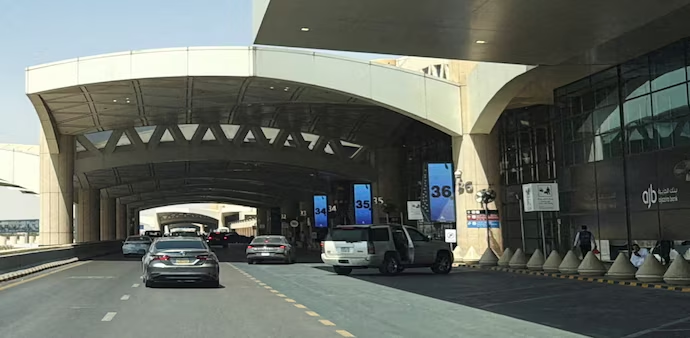
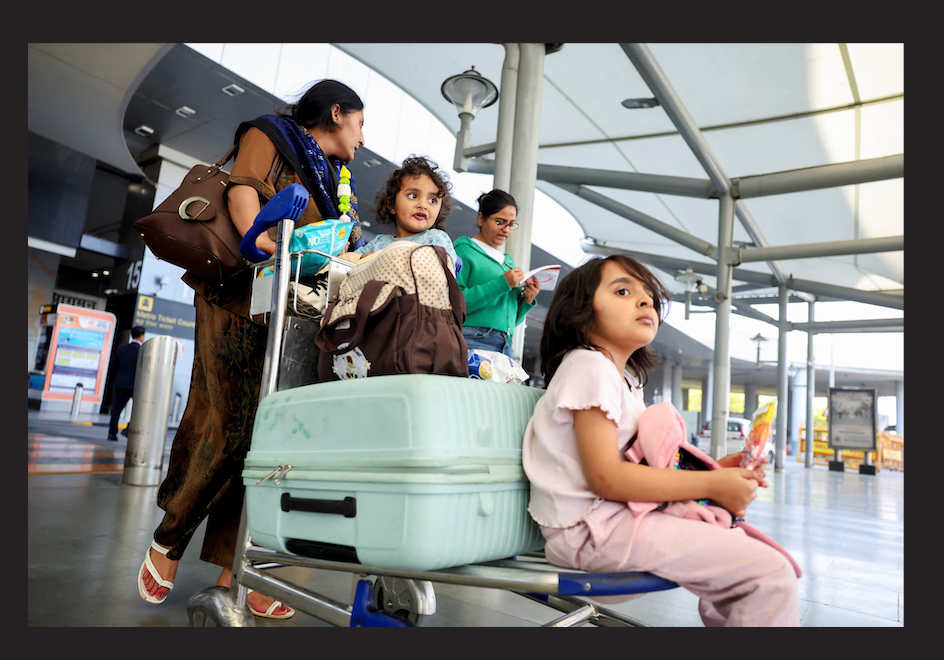
Recent geopolitical developments have caused anxiety among many expatriate families. Flight cancellations and security concerns have made travel more complicated for those who depend on regular connections between India and the Gulf.
Governments and airlines have responded by preparing evacuation plans and special flights to help citizens return home if necessary
The situation also highlights the economic importance of the Indian diaspora in the region. Workers in Gulf countries send billions of dollars in remittances back to India every year.
These funds support households, education and local economies in several Indian states, particularly Kerala, Telangana and Uttar Pradesh.
If instability in the region continues, analysts warn that it could affect both employment opportunities and remittance flows.
At the same time, Indian communities in Europe are facing different challenges. A recent incident in Ireland sparked online racist attacks after a photograph showed Indians standing in line at a food bank.
The image led to a wave of xenophobic comments on social media, raising concerns among diaspora organisations about discrimination during economic hardships.