

When Diljit Dosanjh paused his whirlwind schedule during the Dil-Luminati tour to drift across the tranquil waters of Dal Lake, the moment unfolded like a scene from a postcard. Wrapped in a warm blanket aboard a traditional shikara, the singer lifted a delicate cup of Kashmiri Kahwa to his lips. The lake shimmered under the soft mountain light, the air carried faint strains of rabab music, and the aroma of saffron and spices lingered gently. His verdict was simple but heartfelt—nothing compares to the warmth and magic of authentic Kahwa.
For Kashmiris, however, Kahwa is far more than a beverage. In Kashmir, it is a ritual, a welcome, and a quiet conversation starter that has flowed through generations like an unbroken tradition. Long before tourists discovered the beauty of the valley, Kahwa had already become the soul of Kashmiri hospitality. Guests arriving at a home are greeted not merely with greetings but with a steaming cup of the golden brew, served with grace and warmth.
Story of Kahwa begins with Samovar
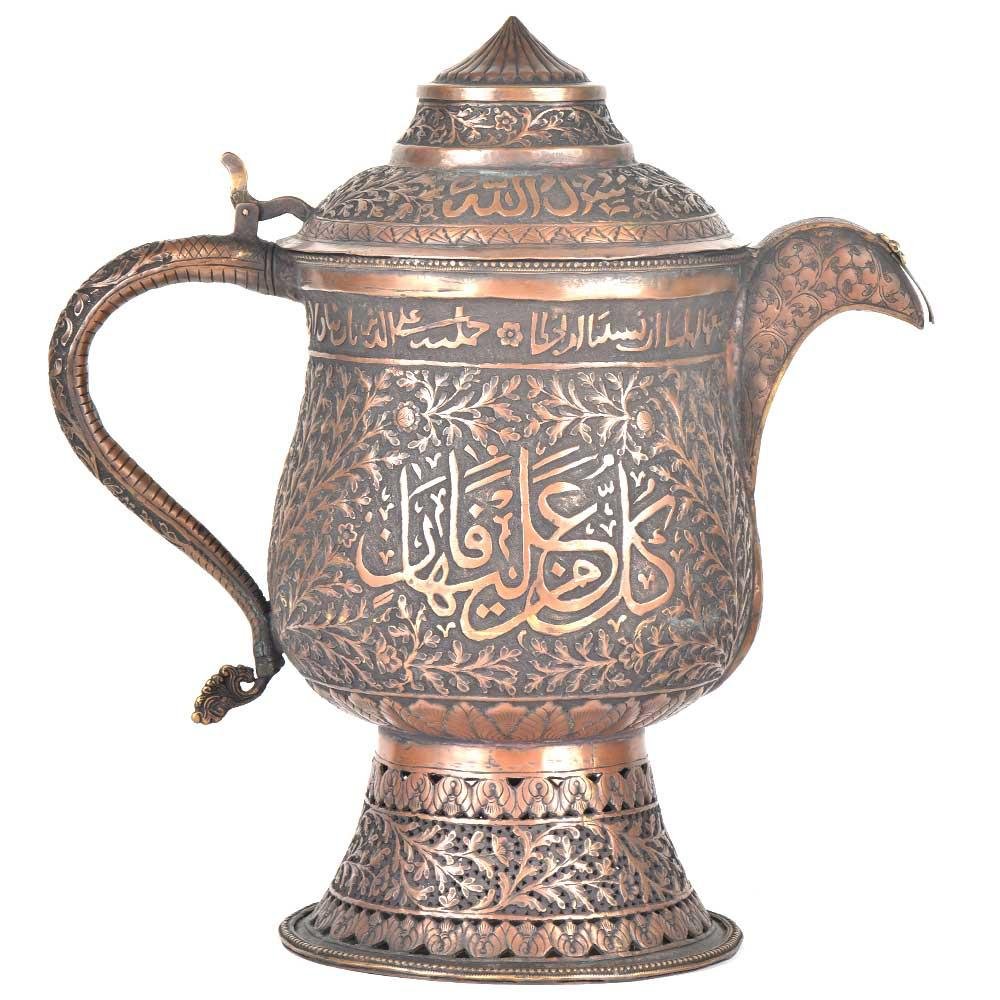
The story of Kahwa truly begins with the samovar, a tall, intricately crafted metal vessel that stands proudly in Kashmiri kitchens and gathering rooms. Traditionally made of copper or brass, the samovar brews Kahwa slowly over glowing charcoal placed in its central chamber. As the water warms and saffron, green tea leaves, cinnamon, and crushed almonds release their fragrance, the room gradually fills with a soothing aroma.
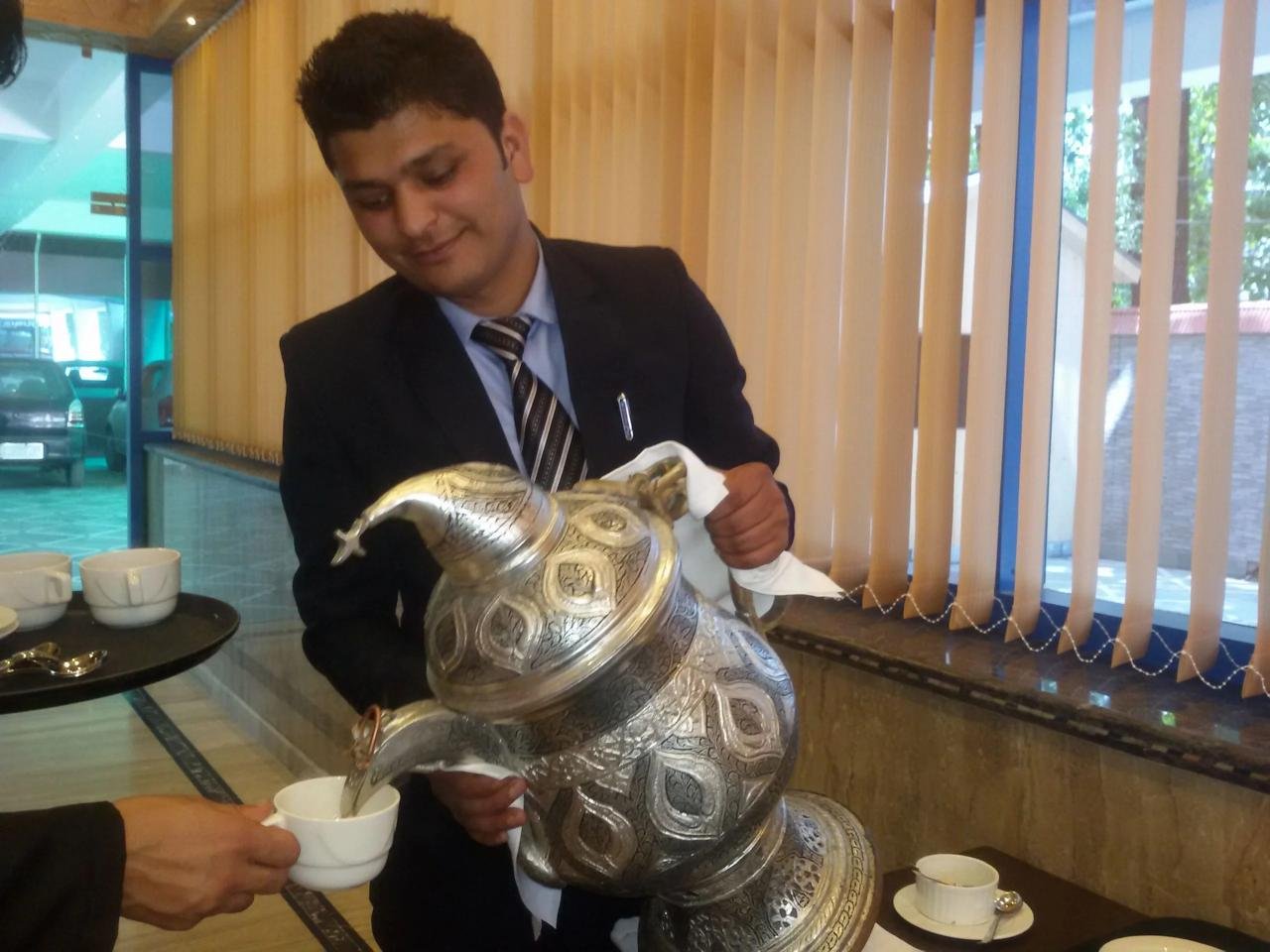
The samovar is not just a utensil, it is an heirloom. In many Kashmiri households, these vessels are passed down through generations, carrying with them memories of winter evenings, family celebrations, and lively storytelling sessions. When Kahwa pours out of the samovar’s curved spout into small cups, it feels like time itself is being served.
A Drink That Travels Through History
Historians believe Kahwa traces its origins to the ancient spice routes that connected Kashmir with Central Asia and Persia. Traders and travellers carried exotic ingredients like saffron, cinnamon, cardamom, and almonds through the valley. Over centuries, these influences blended into a unique tea that today represents the cultural crossroads of Kashmir.
What emerged was a drink that reflects the region’s personality: gentle yet complex, comforting yet vibrant. Every household has its own subtle variation, some add dried rose petals, others enhance it with honey or extra saffron but the essence remains unchanged.
Kahwa’s Quiet Wellness Secret
While Kahwa captivates with its delicate flavour, its reputation also rests on its wellness benefits something Kashmiris have known instinctively for generations.
In many homes, Kahwa is served after meals. The combination of green tea and warming spices helps digestion and may assist the body in burning calories more efficiently.
Another highlight is that Kahwa being rich in antioxidants, is believed to calm the mind. Its warmth, combined with the gentle aroma of saffron and cardamom, creates a soothing experience that feels almost meditative.
More importantly, Kashmir’s winters are long and biting. Kahwa acts as a natural remedy, soothing sore throats, easing chest congestion, and offering comfort during cold weather.
The Guardians of Kahwa
Beyond homes and houseboats, several individuals and businesses have become passionate ambassadors of this traditional drink, introducing it to travellers from around the world.
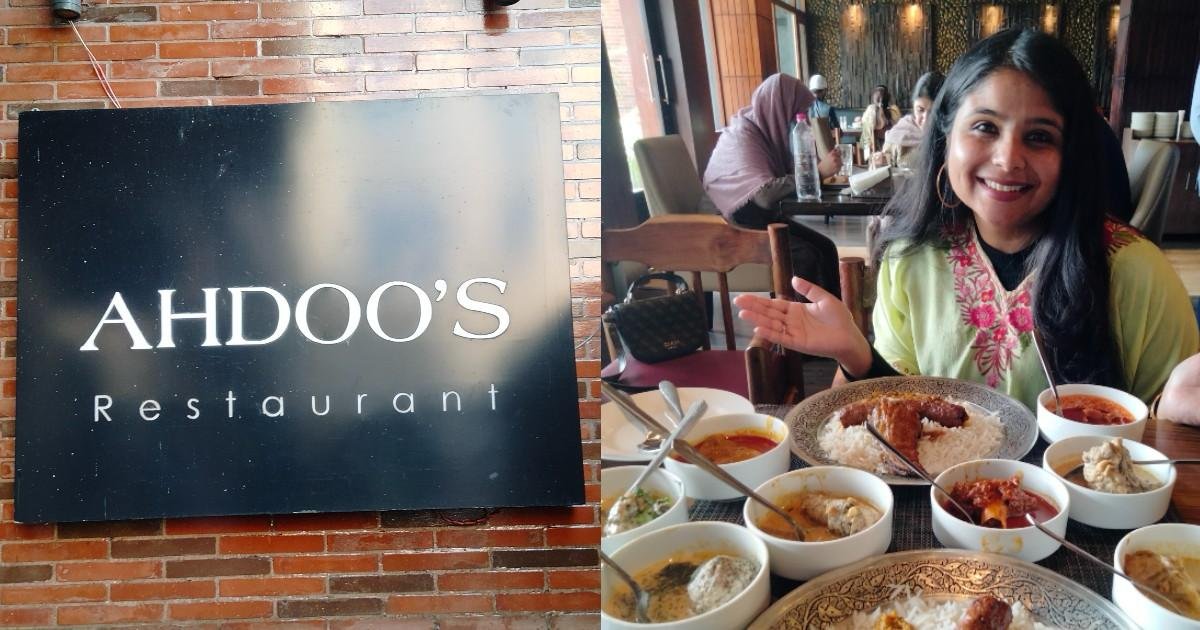
One of the most iconic places to experience authentic Kahwa is Ahdoos Restaurant, a legendary establishment in Srinagar that has served traditional Kashmiri cuisine for decades. Their Kahwa, brewed slowly and served alongside local delicacies, has become a cherished ritual for visitors.
Equally celebrated is Mughal Darbar, where diners often end their meals with a steaming cup of Kahwa, savouring its delicate balance of spice and sweetness.
Another beloved destination is Stream Restaurant, a family-run restaurant that has welcomed travellers for generations. Here, Kahwa is more than a drink—it is a signature experience offered with warmth and conversation.
On the quiet waters of Dal Lake, the tradition continues through shikara vendors and houseboat hosts who serve Kahwa brewed in small samovars. Many visitors remember these moments as the highlight of their journey, floating across misty waters while sipping a cup that tastes like the valley itself.
Kahwa’s New Global Journey
In recent years, Kashmiri entrepreneurs and tea enthusiasts have begun promoting Kahwa beyond the valley, packaging traditional blends and introducing them to global audiences. From boutique tea stores in Indian cities to cafés abroad, Kahwa is slowly gaining recognition as a refined and healthy alternative to ordinary tea.
Yet its true magic still belongs to Kashmir. It lies in the sound of water lapping against wooden shikaras, in the scent of saffron rising from a copper samovar, and in the warmth of a host offering a cup to a guest.
Perhaps that is why the image of Diljit Dosanjh sipping Kahwa on Dal Lake resonated with so many people. It was not merely a celebrity enjoying tea, it was a reminder of Kashmir’s enduring spirit of hospitality.
Whether shared in a bustling Srinagar restaurant, poured from a family’s treasured samovar, or enjoyed quietly on a drifting shikara, Kahwa remains more than a drink.
It is a story of mountains, spices, and centuries of tradition served gently in a cup, inviting the world to pause, breathe, and experience the warmth of Kashmir.