
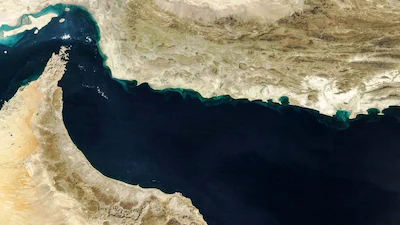
With a fifth of global oil and gas flows disrupted, the decisions of national oil company CEOs are shaping output, prices and the stability of energy markets worldwide.
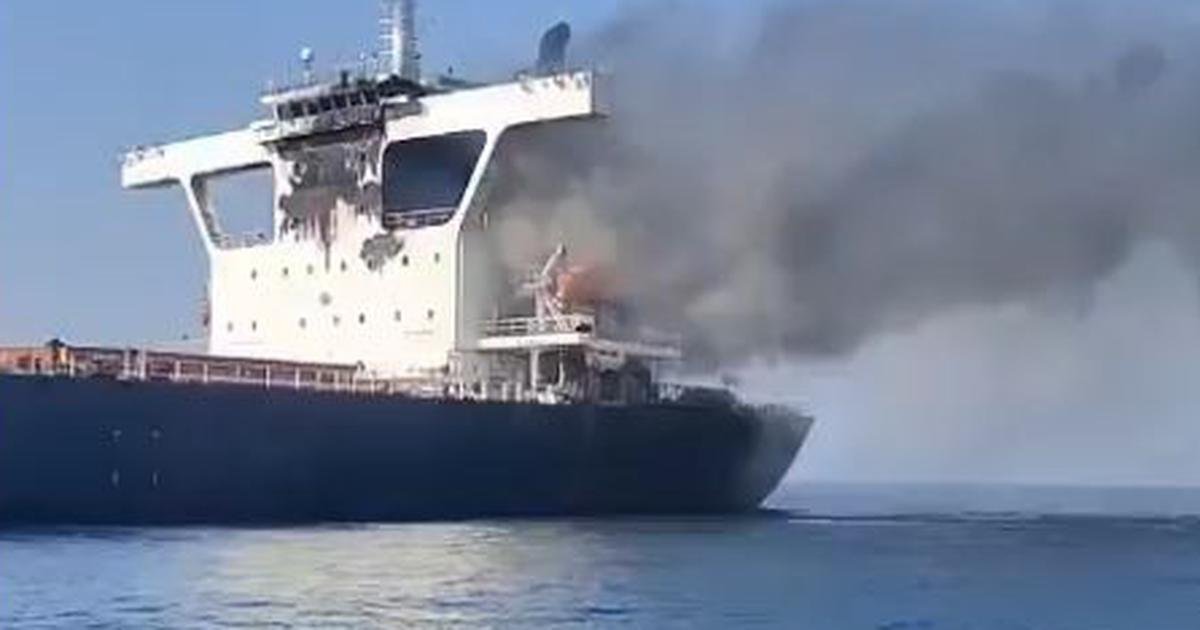
Iran’s blockade of the Strait of Hormuz has prevented deliveries of a fifth of the world’s oil and gas, most of it produced by GCC states since the last three weeks.
OPEC+ producers are managing supply through a mix of crisis‑driven and voluntary cuts.
Gulf members, including Saudi Arabia and the UAE, have reduced output due to the Strait of Hormuz shutdown.
Eight voluntary‑cut members are slowly unwinding earlier reductions, adding limited barrels back. Most African producers remain steady, constrained by capacity or internal disruptions.
The disruption has tightened global supply and increased pressure on producers with export routes outside the Gulf.
As the global energy crisis prolongs, it is pertinent to know about energy companies and their respective CEOs whose decisions on crude oil output and how their prices affect consumers globally.
The heads of national oil companies in the Gulf, Russia and Iran play a central role in global supply management. Their decisions influence OPEC and OPEC+ policy, long‑term production targets and investment flows across crude, gas and petrochemicals.
Saudi Aramco President & CEO Amin Nasser oversees the production and supply of the world’s largest oil exporter — Saudi Arabia.
Aramco’s production capacity stands at 12 million barrels per day, giving Saudi Arabia the main role in OPEC+ supply adjustments. The company continues to invest in upstream stability and downstream expansion.
Nasser was scheduled to speak at CERAWeek conference, organised by S&P Global, starting March 23. The conference draws world’s top executives, government officials and policymakers to discuss the global energy market outlook.
Nasser cancelled his appearance at the conference citing his withdrawal to remain in Saudi Arabia as the US-Israel war with Iran threatens to escalate. Reports say conference organisers were told he would not attend and would not send a recorded message.
Nasser recently warned continued disruption in the Strait of Hormuz would have “catastrophic consequences” for global oil markets.
In the UAE, Sultan Al Jaber leads Abu Dhabi National Oil Company. The company is increasing output capacity and expanding gas projects. Al Jaber represents the UAE in OPEC+ discussions and manages the country’s long‑term energy strategy.
QatarEnergy CEO Saad Al‑Kaabi directs the world’s largest LNG expansion programme. Qatar’s LNG contracts shape long‑term supply to Asia and Europe. Al‑Kaabi also serves as Minister of State for Energy Affairs.
Al‑Kaabi, who is also Qatar’s Minister of State for Energy Affairs, last week said Iranian missile strikes on Ras Laffan had knocked out 17% of Qatar’s LNG export capacity. The strike damaged two liquefaction trains and compelling the company to declare force majeure on long‑term contracts.
Al Kaabi told Reuters the attacks would impact 12.8 million tonnes per year of LNG for three to five years, calling the strikes “unjustified and senseless” and warning they threaten global energy security.
Sheikh Nawaf Saud Al Sabah leads Kuwait Petroleum Corporation. KPC manages Kuwait’s upstream and downstream assets and participates in OPEC quota negotiations.
Oman’s OQ, headed by Talal Al Awfi, runs an integrated portfolio across upstream, refining and chemicals. Oman is not an OPEC member but coordinates with OPEC+ on supply management.
Bahrain’s Bapco Energies is led by Mark Thomas. The company manages refining, gas development and energy transition projects.
Bapco Energies has embarked on the modernisation and expansion of its 300,000 b/d Sitra refinery, now Bapco Refining, as part of Bahrain’s long‑term energy transition.
Speaking to Claudia Carpenter of S&P Global on June 24, 2025, Thomas said, “By modernising our refinery, we are not only elevating Bahrain’s energy infrastructure, but also setting new benchmarks in the global energy landscape.”
In Russia, Igor Sechin leads Rosneft, the country’s largest oil producer. Rosneft plays a major role in Russia’s alignment with OPEC+.
Rosneft, Russia’s largest oil producer, reflects Moscow’s strategy of maintaining steady exports as global supply tightens. The company continues to emphasise production resilience, long‑term project execution and diversification of export routes, positioning Russia as a stable supplier during a period of heightened geopolitical risk and disrupted Gulf flows.
Alexander Dyukov heads Gazprom Neft, which has a strong refining and petrochemical footprint. Vadim Vorobyov leads Lukoil, Russia’s largest private producer.
Iran’s upstream sector is managed by Mohsen Khojasteh‑Mehr, CEO of the National Iranian Oil Company. Iran operates under sanctions but maintains production and export channels.
In an interview published by Iran’s state media, Mohsen Khojasteh‑Mehr highlighted the scale of Iran’s long‑term resource base while noting that the country’s oil and gas reserves are estimated at 1.2 trillion barrels.
Jalil Salari leads NIORDC, which runs the refining and fuel distribution network. Alireza Daneshi heads NISOC, which manages the Iran ’s main producing region.
These CEOs control the bulk of crude and LNG supply from the Middle East and Russia. Their decisions on capacity, investment and exports shape global oil balances and price stability.