
The data underscores the human cost behind global migration flows and raises urgent questions about worker protection, accountability, and long-term welfare strategies for India’s overseas labour force
Fresh data presented in India’s Parliament has revealed a stark reality for the Indian diaspora workforce: nearly 20 Indian workers died abroad every day over the past five years, with Gulf countries accounting for the overwhelming majority of fatalities.
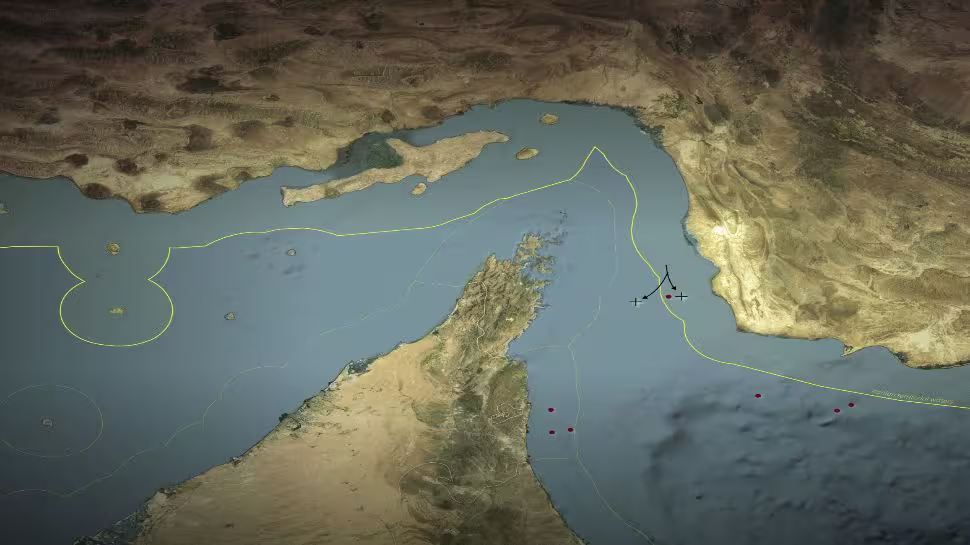
According to figures shared by the Ministry of External Affairs, a total of 37,740 Indian nationals lost their lives overseas between 2021 and 2025. Over 86 percent of these deaths occurred in Gulf nations, including the United Arab Emirates, Saudi Arabia, Kuwait, and Oman—regions that host some of the largest Indian migrant worker populations.
The data has intensified concerns about working conditions, occupational safety, and access to healthcare for Indian labourers abroad. While the government did not provide a detailed cause-wise breakdown, experts say the deaths likely include workplace accidents, health-related issues, and extreme weather exposure.
Equally alarming is the sharp rise in complaints filed by Indian workers. Grievances related to exploitation, delayed wages, and poor working conditions nearly doubled—from 11,632 in 2021 to 22,479 in 2025
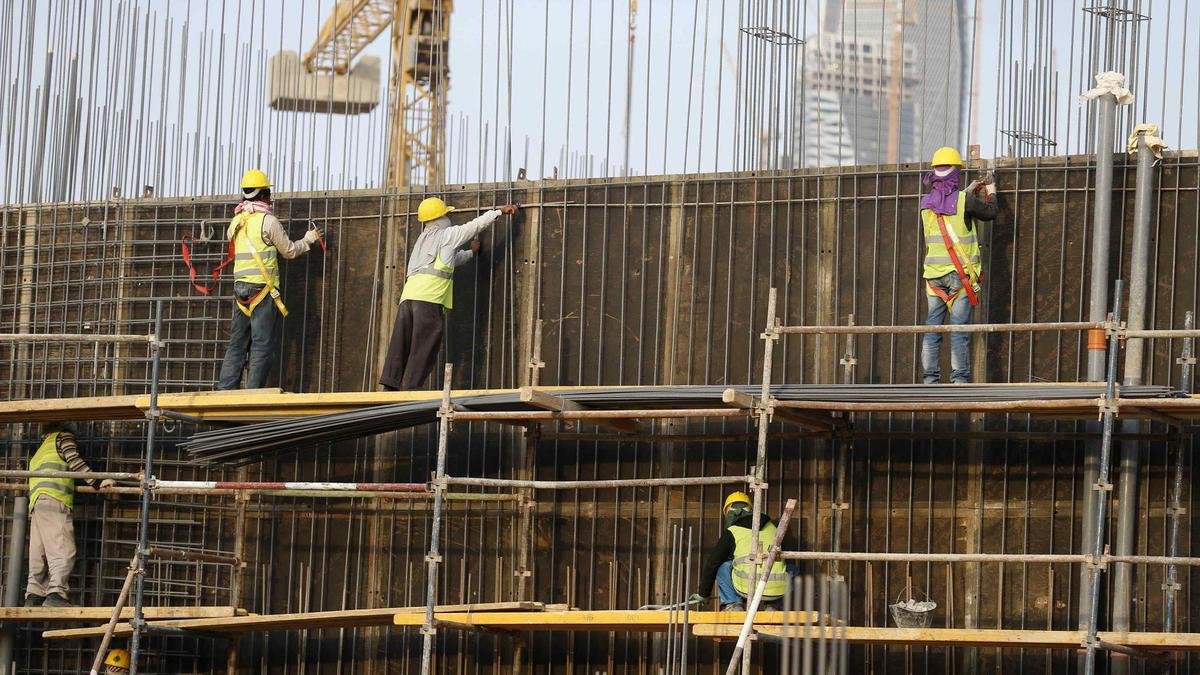
Labour rights advocates argue that the figures highlight systemic vulnerabilities faced by migrant workers, many of whom are employed in physically demanding sectors such as construction and infrastructure. Recruitment practices, contract substitution, and limited legal recourse continue to be major challenges.
Indian missions in Gulf countries have stepped up outreach efforts, including helplines and grievance redressal mechanisms. However, experts stress that stronger bilateral labour agreements and enforcement mechanisms are needed to improve conditions.