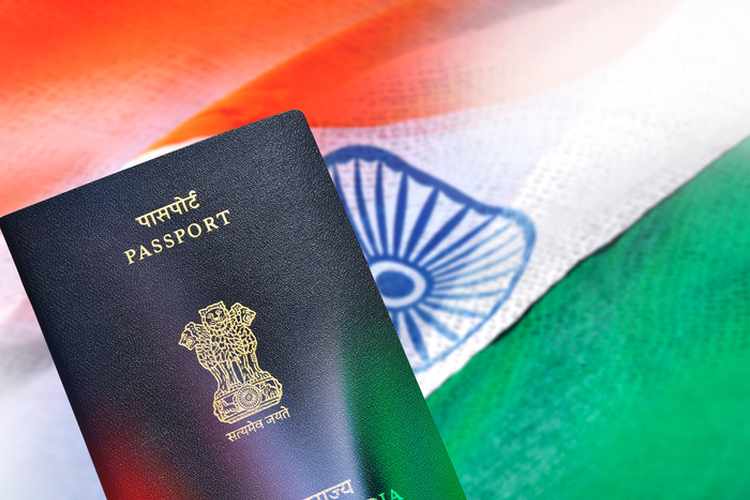


Observers believe Australia’s international education policies will remain under intense scrutiny during 2026 as institutions attempt balancing migration controls with economic dependence on overseas students
Australian universities are warning that stricter visa approvals affecting Indian and other South Asian students could inflict billions of dollars in losses on the country’s higher-education sector, according to developments and industry estimates reported during the past 24 hours.
Fresh education-sector assessments indicated that approval rates for Indian student visa applicants have fallen below 50 percent under Australia’s tightened migration regime. University administrators and labour unions warned that the decline threatens tuition revenues, research budgets, staffing levels, and local economies dependent on international students.
Indian nationals historically represent one of Australia’s largest overseas student populations, particularly in business, healthcare, engineering, hospitality, and technology programmes.
University leaders argued that aggressive immigration restrictions risk damaging Australia’s global reputation as a study destination while benefiting competitor countries including Germany, Ireland, and France.
Economic analysts estimated that declining enrolments could remove billions of dollars from the Australian economy through reduced spending on accommodation, retail, transportation, tourism, and consumer services
Migration-policy experts said Canberra’s tougher approach reflects domestic political pressure surrounding housing shortages, population growth, and infrastructure strain.
Indian education consultants reported that many families now perceive Australia as a higher-risk destination because of unpredictable approvals, increased financial checks, and uncertainty regarding post-study work pathways.
Student associations also expressed concern that genuine applicants are being disproportionately affected by broader anti-fraud enforcement measures.
Labour-market researchers warned that falling overseas student numbers could eventually weaken Australia’s skilled-workforce pipeline in industries already experiencing recruitment shortages.
The National Tertiary Education Union criticised the policy direction and cautioned that continued reductions may result in job cuts across universities reliant on international tuition income.