
The developments have intensified debate over whether Australia risks damaging its long-term global competitiveness in higher education and skilled migration recruitment
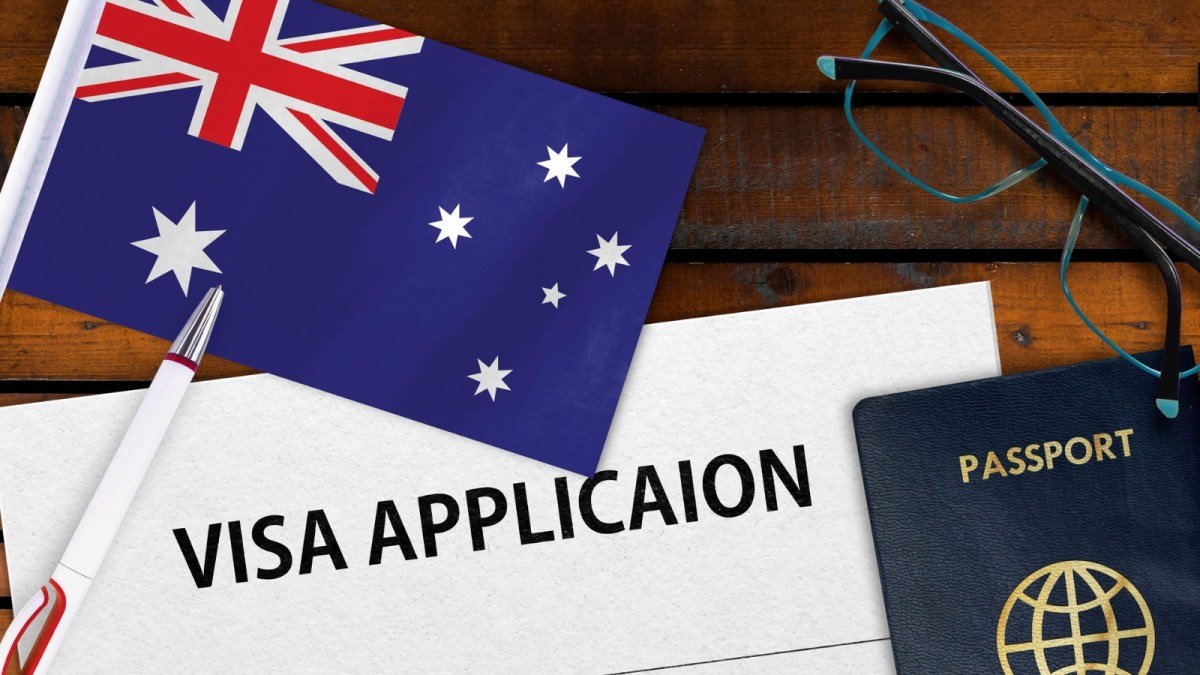
Australia is facing growing criticism from universities and migration advisers over sharply declining student visa approvals affecting Indian applicants, according to education-sector reactions and policy discussions reported during the previous 24 hours.
Recent assessments indicated that approval rates for Indian student visas have fallen substantially under Australia’s stricter migration framework, intensifying anxiety among universities dependent on overseas tuition revenue.
Indian students represent one of Australia’s largest international education groups, particularly in business, hospitality, healthcare, engineering, and information technology programmes.
University leaders warned that prolonged restrictions could damage research budgets, staffing levels, and local economies reliant on international student spending.
Migration specialists said Canberra’s tougher approach reflects domestic political concerns regarding housing shortages, infrastructure pressure, and rapid population growth linked to temporary migration
However, economists cautioned that excessive restrictions may weaken Australia’s long-term skilled workforce pipeline because many international graduates transition into professional employment and permanent residency pathways.
Indian education consultants reported rising uncertainty among families now considering Germany, France, Ireland, Singapore, and New Zealand as more predictable alternatives.
Student advocacy groups also argued that legitimate applicants are increasingly affected by anti-fraud measures targeting a smaller number of questionable recruitment operators.
Labour unions representing university employees warned that sustained enrolment declines could eventually trigger job losses and programme reductions across campuses heavily dependent on foreign student income.
Business analysts noted that international education contributes billions annually to Australia’s economy through tuition fees, housing demand, retail spending, and tourism-related activity.
Political observers expect migration and student-visa policy to remain major national issues throughout 2026 as the government attempts balancing economic dependence on international education with public concern regarding migration levels and housing affordability.