
Analysts believe the players’ World Cup appearances will strengthen discussions about identity, migration, and representation within global sporting culture while increasing visibility for diaspora communities worldwide
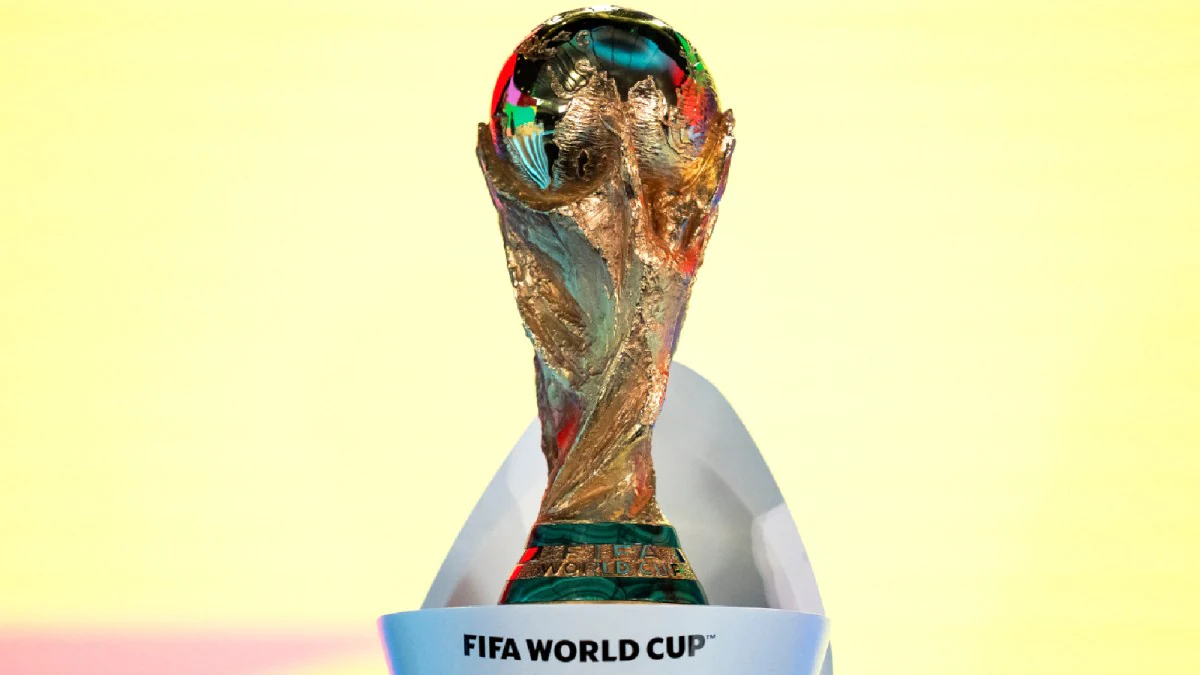
Four footballers of Indian heritage are set to participate in the 2026 FIFA World Cup representing four different nations, marking one of the most significant moments of sporting visibility for the global Indian diaspora.
The players include Sarpreet Singh of New Zealand, Nishan Velupillay of Australia, Tahsin Mohammed Jamshid of Qatar, and Samuel Moutoussamy of the Democratic Republic of Congo.
While India itself did not qualify for the tournament, diaspora communities across multiple countries have celebrated the development as a milestone in international sporting representation.
Sports historians point out that football has traditionally not produced the same level of international recognition among Indian-origin athletes as cricket, business, medicine, or technology. The participation of four players with Indian roots on football’s largest stage therefore represents a significant shift
Community organizations in Australia, New Zealand, Britain, and Canada have highlighted the players’ stories as examples of successful multicultural integration and second-generation diaspora achievement.
Migration researchers note that the players come from diverse migration backgrounds, reflecting the geographic spread of Indian-origin communities across Africa, Oceania, and the Middle East.
Youth groups have also emphasized the inspirational value of the achievement, arguing that visible representation in elite sport helps broaden aspirations among younger generations.