

-
As the next admission cycles approach, education institutions and prospective students will closely monitor government decisions that could affect visa approvals, enrolment trends and long-term career opportunities abroad
-
The issue remains one of the most important topics for Indian families considering overseas education
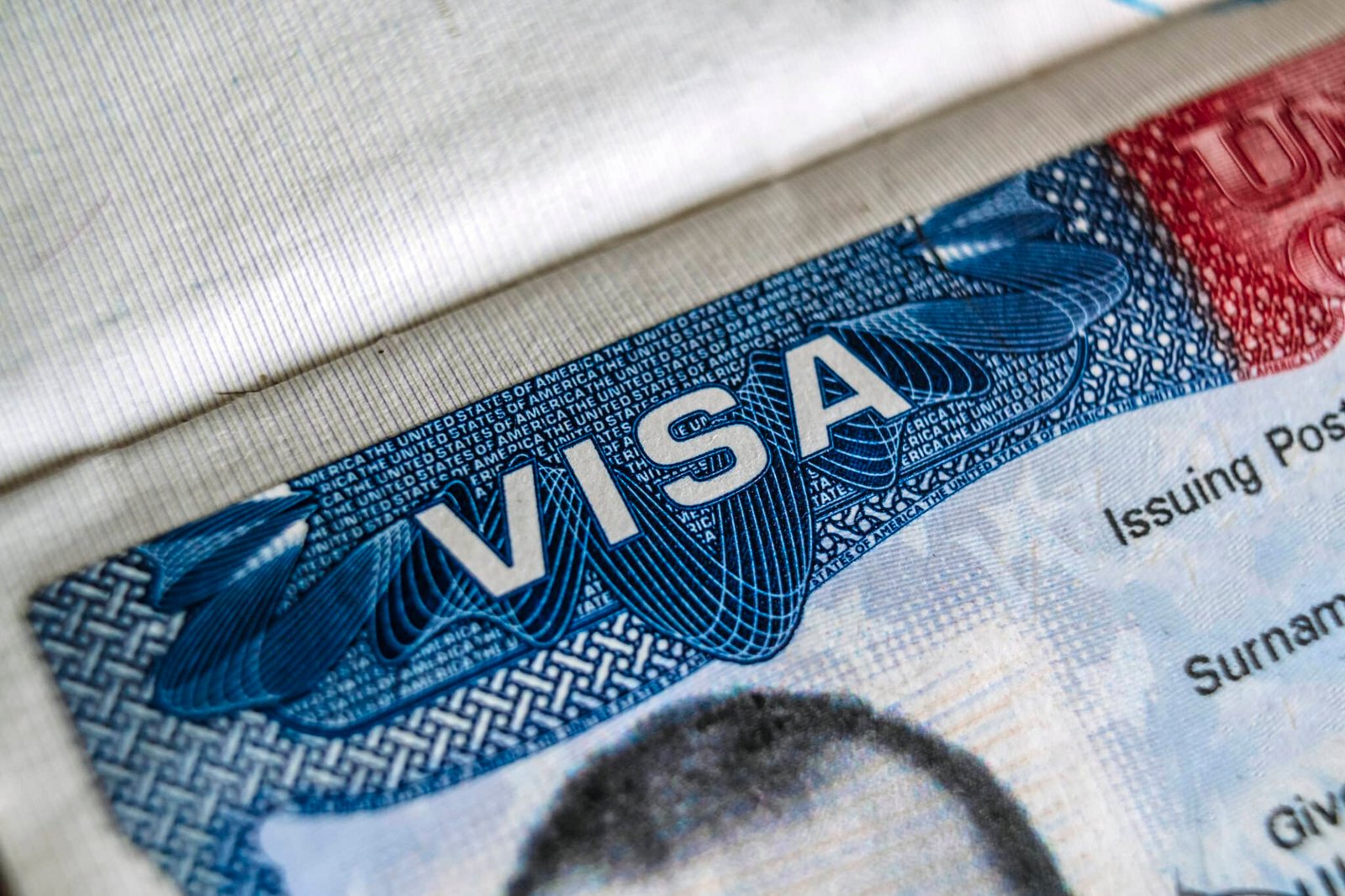
Indian students pursuing international education continue to face changing immigration and visa environments as several major destination countries review policies affecting overseas enrolment. Recent discussions in North America, Europe and Australia have highlighted growing concerns about visa approvals, student migration levels and compliance requirements.
India remains one of the world’s largest sources of international students. Universities in the United States, Canada, Australia, the United Kingdom and parts of Europe depend heavily on Indian enrolments for academic, cultural and economic contributions. Any shift in immigration policy therefore has immediate consequences for students and their families.
-
Education advisers report heightened uncertainty among prospective applicants as governments seek to balance labour market needs, housing pressures and immigration targets
-
In several countries, policymakers have introduced or proposed measures designed to reduce migration numbers while maintaining pathways for highly skilled talent
Student organisations argue that international students contribute significantly through tuition fees, research participation and long-term workforce development. Many graduates eventually move into skilled employment sectors facing persistent labour shortages.
The evolving policy environment has also increased demand for accurate information and professional guidance. Universities are expanding outreach programmes to help students understand application requirements, post-study work options and compliance obligations.
Indian community groups overseas have urged governments to distinguish between temporary educational migration and broader immigration debates. They contend that international students provide substantial economic and social benefits while strengthening global academic partnerships.