
F-1 visa refusal highlights growing uncertainty for Indian students seeking higher education in the United States
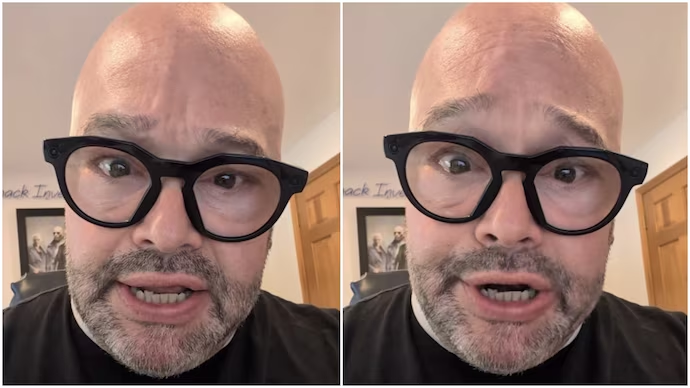
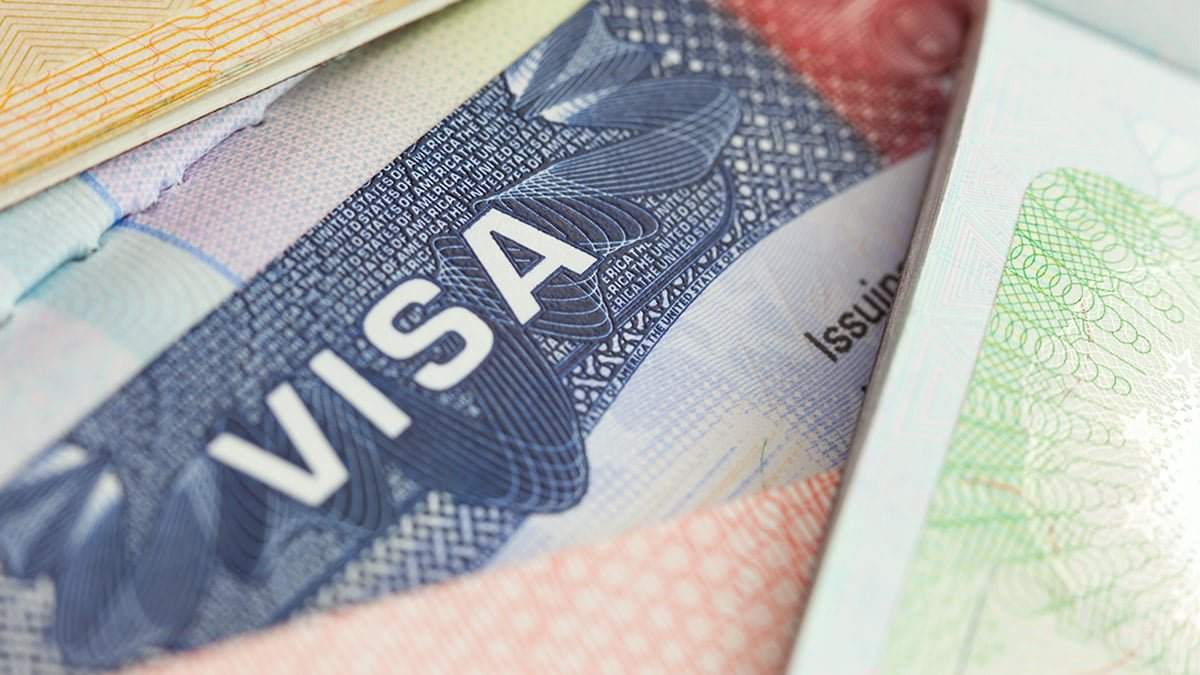
An Indian software engineer’s plans to pursue a master’s degree in the United States came to an abrupt halt after his F-1 student visa application was rejected during a brief interview at the US Consulate, underlining the challenges some applicants continue to face in securing study visas.
The engineer, who had resigned from his job and secured admission to a US university, said his visa interview lasted less than a minute before the consular officer refused his application under Section 214(b) of the US Immigration and Nationality Act. The provision is commonly used when an applicant fails to satisfy the officer that they intend to return to their home country after completing their studies.
-
According to the applicant, he was asked only a handful of questions regarding his academic background, employment and reasons for choosing the programme
-
Despite presenting the required documentation, he received an immediate refusal without being asked to provide additional evidence
-
The rejection forced him to put his education plans on hold and left him uncertain about his next steps
The case has attracted attention on social media, where many aspiring students and technology professionals have shared similar experiences of short visa interviews ending in refusals. Immigration experts note that a visa refusal under Section 214(b) is not permanent, and applicants may submit a fresh application if they can demonstrate stronger evidence of their eligibility and non-immigrant intent.
The incident comes amid heightened scrutiny of US immigration pathways, with Indian students and skilled professionals closely monitoring visa policies affecting education and employment opportunities. Recent discussions around H-1B employment rules, layoffs in the technology sector and visa processing have added to concerns among Indians planning to study or work in the United States.