
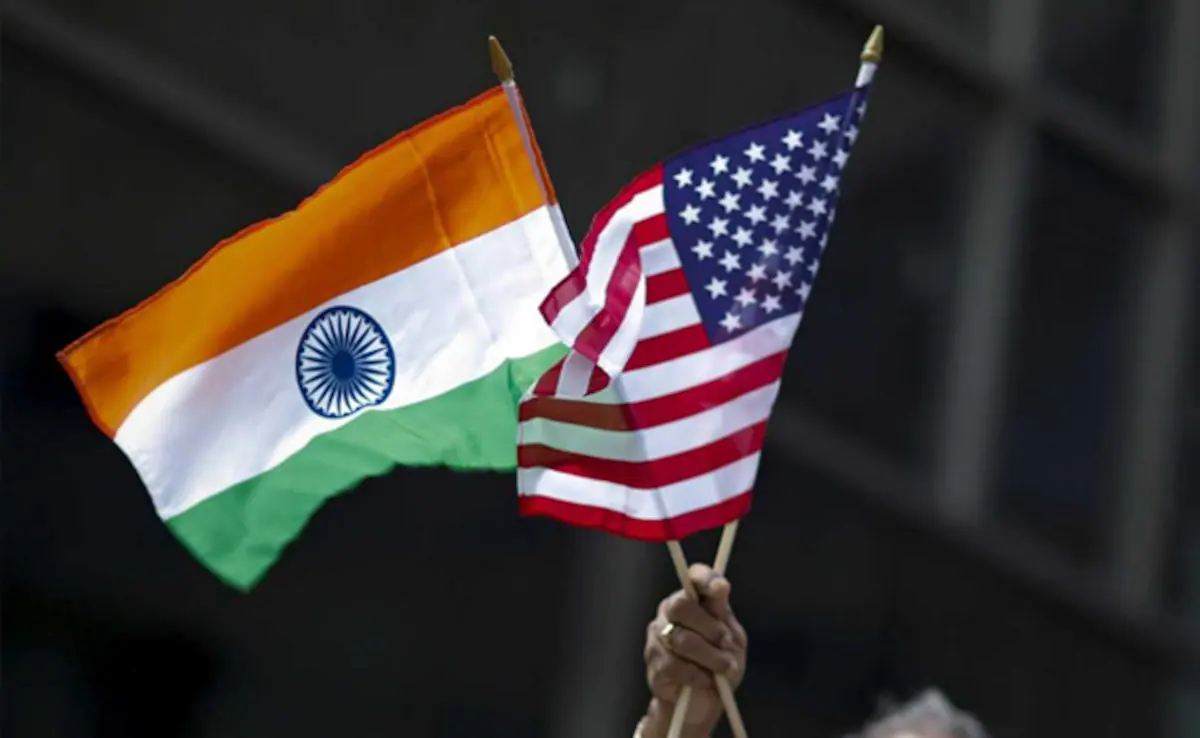
New Delhi says measures targeting Russian oil buyers could affect trade relations and global energy markets as Washington gains authority to impose tariffs of up to 100 per cent
India has warned that new United States measures targeting countries that continue to buy Russian oil could have implications for bilateral ties, after President Donald Trump signed legislation giving him authority to impose tariffs of up to 100 per cent.
The legislation, signed on September 18 after approval by Congress, allows the US president to impose additional tariffs on countries that continue purchasing Russian crude and gas. India and China, among the largest buyers of Russian energy, are among the countries potentially affected.
India’s Ministry of External Affairs said New Delhi had already raised its concerns with US officials and had clearly outlined the possible consequences for bilateral relations and international energy markets
The ministry also reaffirmed India’s commitment to maintaining energy security for its population and said it would take necessary measures to protect the country’s trade and economic interests.
The development comes as India and the US continue to work through differences over trade. Washington has repeatedly pressed New Delhi to reduce its dependence on Russian crude, while India has maintained that its energy purchases are guided by national requirements and market conditions.
Russia’s share of India’s crude imports has increased sharply in recent months as supplies from the Middle East have been disrupted. By July, Russian crude accounted for nearly half of India’s oil imports, according to Kpler data cited by The National.
The new US law does not automatically impose the tariffs. It gives the president discretion over whether and when to apply them, leaving scope for further diplomatic negotiations.
Indian officials are expected to continue discussions with Washington as both sides seek to manage the dispute without disrupting energy supplies or wider economic ties. India’s External Affairs Minister S Jaishankar is also due to travel to the US for the UN General Assembly high-level session, where the issue could feature in discussions.