-
NITI Aayog report says the internationalisation of higher education carries both economic and diplomatic value
-
Linked to the National Education Policy and the Viksit Bharat 2047 vision, the findings underline the need for India to balance outward mobility with efforts to become a stronger global education hub
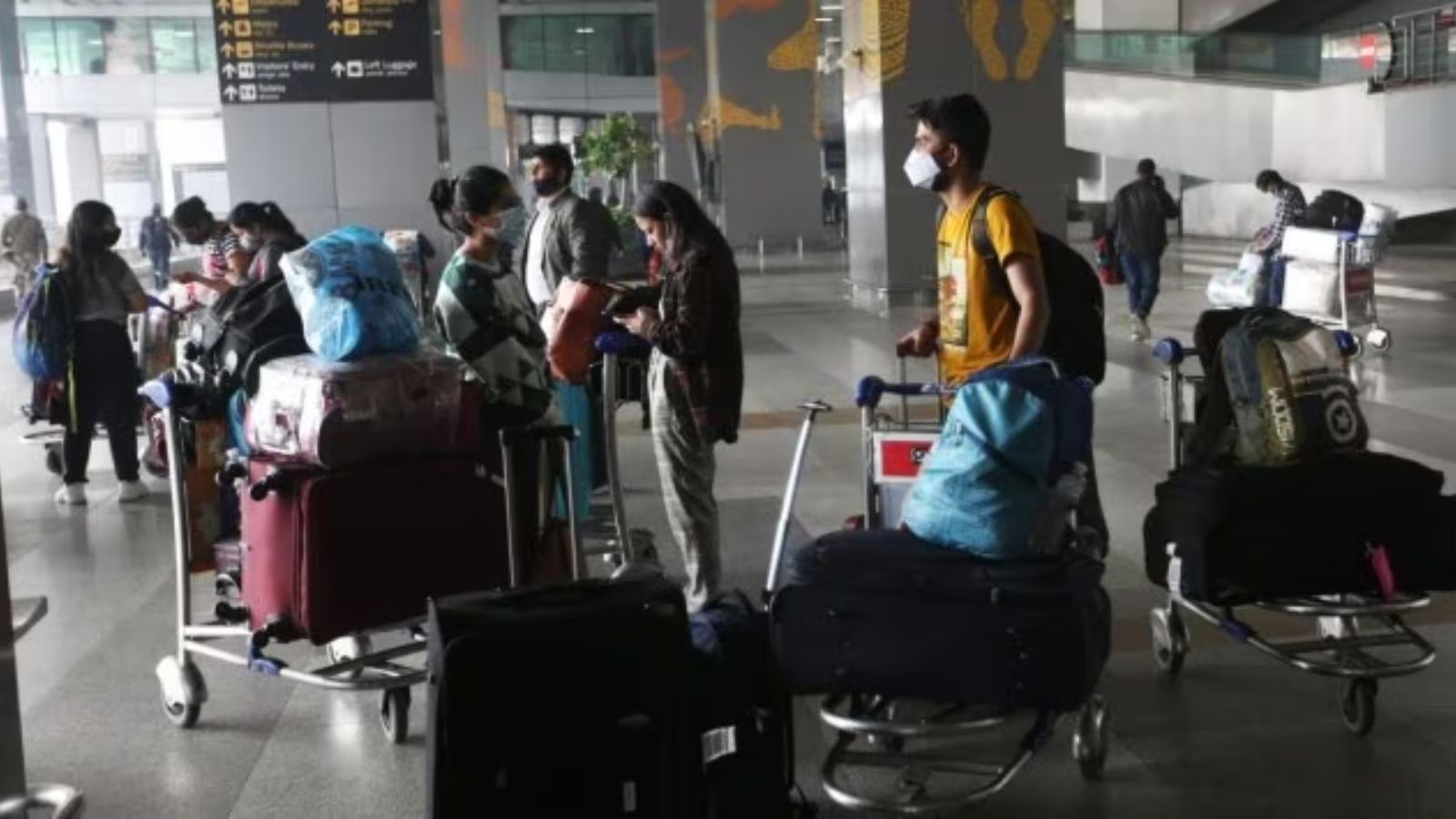
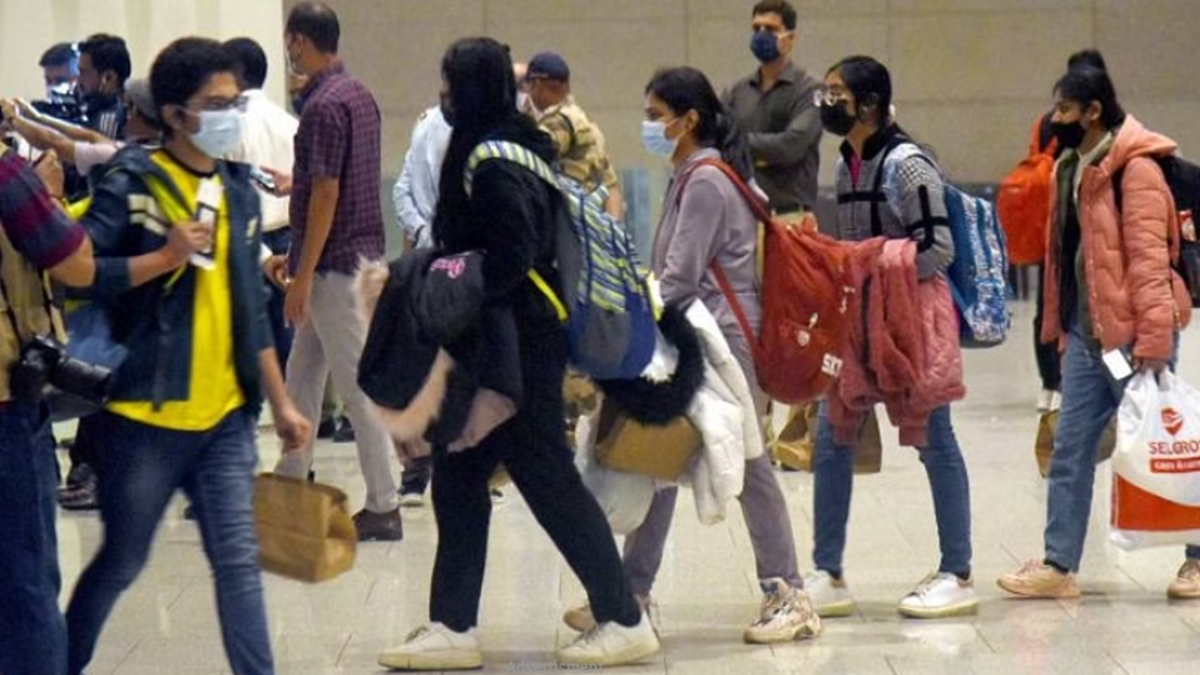
Indian students are continuing to reshape global higher education trends, with overseas enrolment reaching a new peak in 2024, according to a recent report by NITI Aayog. The policy think tank’s findings highlight Canada, the United States, the United Kingdom, Australia and Germany as the most preferred destinations for Indian students, reflecting a combination of academic reputation, post-study opportunities and immigration-friendly policies.
Canada emerged as the top destination in 2024, hosting about 427,000 Indian students. The United States followed with 337,630 students, while the UK attracted around 185,000. Australia received 122,202 Indian students, and Germany hosted nearly 43,000. Together, Canada, the US, the UK and Australia accounted for roughly 850,000 Indian students, underscoring the concentration of Indian enrolment in a few key countries.
-
More than 1.335 million Indians were studying abroad in 2024, reinforcing India’s position as the world’s largest source country of international students
-
This trend is closely linked to India’s demographic profile: the country has the largest higher-education-age population globally, with around 155 million people in the 18–23 age group
-
The scale of outward mobility is stark—NITI Aayog notes that for every one international student who comes to India, about 28 Indian students go overseas
The financial impact of this movement is substantial. Indian students spent an estimated Rs 2.9 trillion on overseas education during 2023–24. Outward remittances for education under the Reserve Bank of India’s Liberalised Remittance Scheme have risen sharply over the past decade, climbing from Rs 975 crore in 2014 to about Rs 29,000 crore in 2024.
Beyond traditional destinations, the report points to a notable concentration of Indian students in smaller European countries. Latvia recorded the highest share of Indian students among its international student population at 17.4 per cent, followed by Ireland at 15.3 per cent and Germany at 10.1 per cent. These figures suggest that Indian students are increasingly open to diverse and emerging study destinations.
At the state level, data from 2020 shows Andhra Pradesh as the largest source of Indian students going abroad, followed by Punjab and Maharashtra. On inbound mobility, India continues to attract students primarily from neighbouring and partner countries, with Nepal, Afghanistan, the US, Bangladesh and the UAE among the top sources in 2021–22.