
This innovation marks an important step towards making advanced medical care available anytime, anywhere
In a remarkable demonstration of telemedicine, doctors in New Delhi have successfully examined a patient in Antarctica using a live ultrasound scan controlled remotely through a robotic system. The breakthrough was showcased at AIIMS Research Day 2026, highlighting how advanced technology can deliver specialist healthcare across vast distances, reported timesofindia.indiatimes.com.
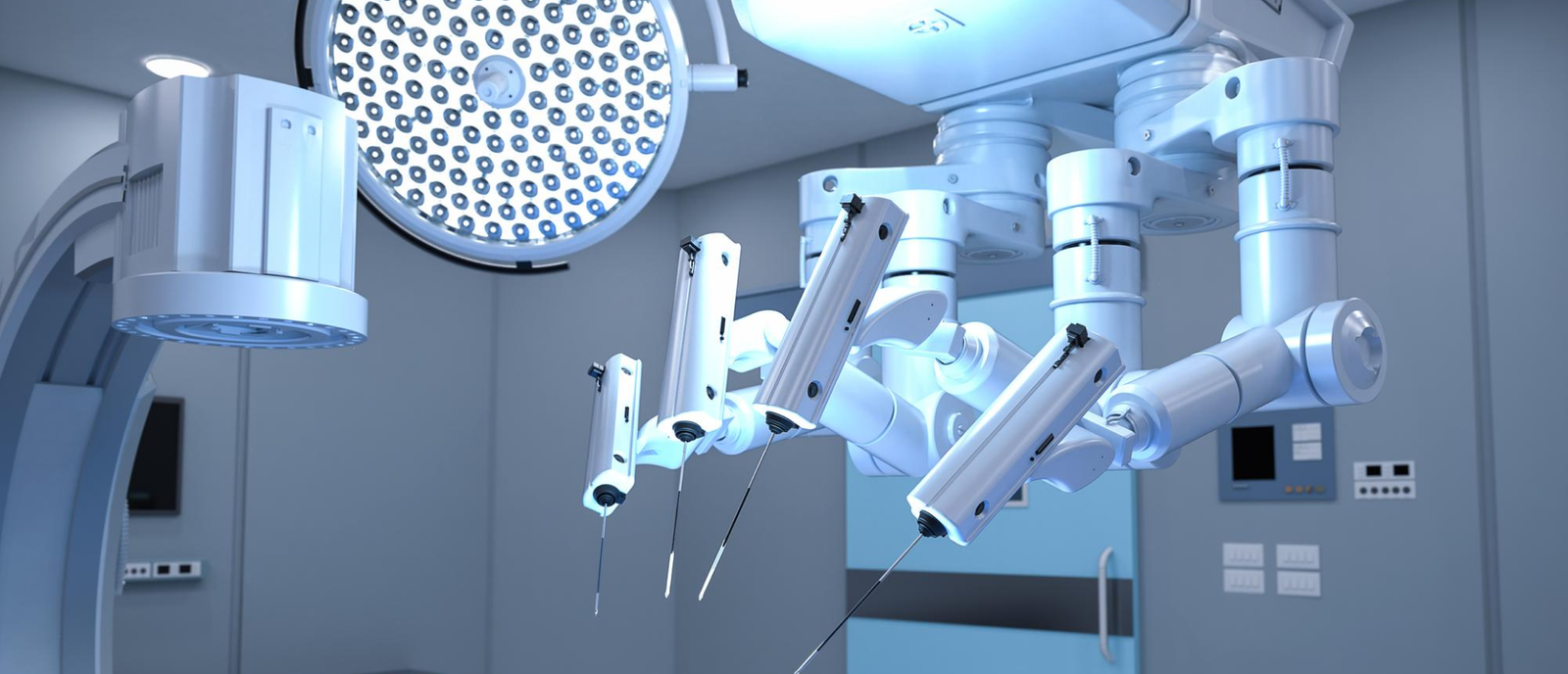
During the demonstration, doctors at the All India Institute of Medical Sciences (AIIMS) controlled an ultrasound probe attached to a robotic arm at an Indian research station in Antarctica. As the probe moved, real-time images were transmitted back to Delhi, allowing doctors to analyse the scan almost as if they were physically present with the patient. Officials involved said the image quality was clear enough for clinical decisions, even under extreme and isolated conditions.
The system has already undergone several trials, with doctors successfully conducting abdominal scans, trauma assessments, heart imaging, Doppler studies and neck examinations. The TOI report quoted Prof Chandrashekhara SH of AIIMS, who said, “The technology is still in the testing phase but holds great promise for the future, especially in areas where specialist doctors are not easily available.”
-
Providing medical care in Antarctica is particularly challenging
-
Expedition teams work in harsh weather, with limited equipment and no immediate access to hospitals
-
In emergencies, evacuation can take days and may not always be possible
-
Having the ability to diagnose patients remotely could be life-saving in such situations
The telerobotic ultrasound system was jointly developed by AIIMS New Delhi and IIT Delhi, along with IHFC, the National Centre for Polar and Ocean Research, and Rajiv Gandhi Super Speciality Hospital. Experts believe the technology could also be used in disaster zones, high-altitude regions, offshore platforms and remote rural areas, helping bridge the gap in access to quality healthcare.