
If implemented seriously, the EU–India free trade deal could become a cornerstone of global economic stability in an era when old assumptions about globalisation no longer hold
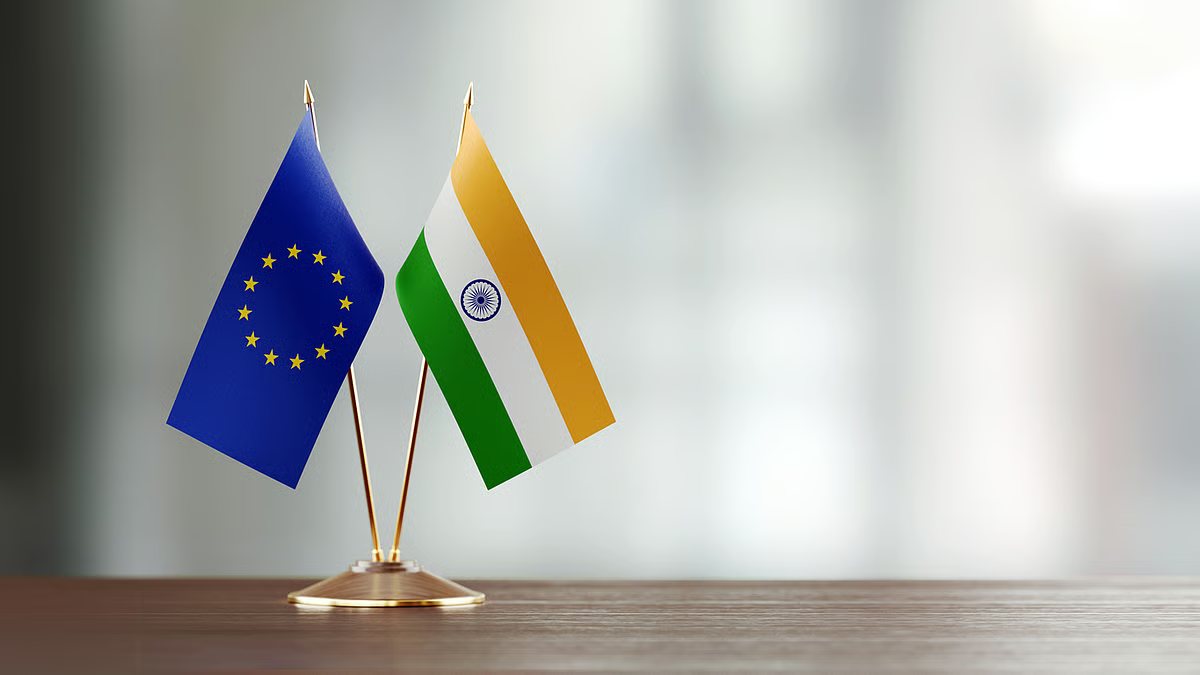
After more than 20 years of stalled negotiations, the European Union and India have finally reached a landmark free trade agreement. While tariff cuts make headlines, this deal is far more than a trade pact. It reflects a new global reality in which economic ties are increasingly shaped by strategy, security and trust.
In today’s fractured world, trade is no longer just about cheaper goods. Supply chains are being disrupted, tariffs are used as political tools, and countries are reassessing who they depend on. Against this backdrop, the EU–India deal represents a deliberate choice to deepen economic ties on carefully negotiated terms rather than retreat into protectionism.
The agreement will cut or remove tariffs on most European exports to India and offer broad access for Indian goods to the European market. Yet both sides made compromises. For instance, tariffs on European cars will remain relatively high, while India agreed to gradually lower duties on key industrial products. These concessions show that realism, not ideology, guided the talks.
-
For India, the deal signals a strong commitment to becoming a global manufacturing and services powerhouse without giving up its independent foreign policy stance
-
For Europe, it opens doors to one of the world’s fastest-growing markets and helps diversify supply chains at a time when reliance on a few partners has become risky
But the real value lies beyond trade numbers. The agreement creates a framework for cooperation in technology, clean energy, digital infrastructure and artificial intelligence. It could help both sides shape global standards and reduce dependence on dominant powers in these sectors. Joint research, trusted data sharing and coordinated regulations could make innovation faster and safer.
Security and geopolitics are also part of the picture. Closer economic ties often go hand in hand with strategic cooperation, especially in the Indo-Pacific region. However, India’s complex relationships with China and Pakistan could test Europe’s diplomatic balancing act in the future.
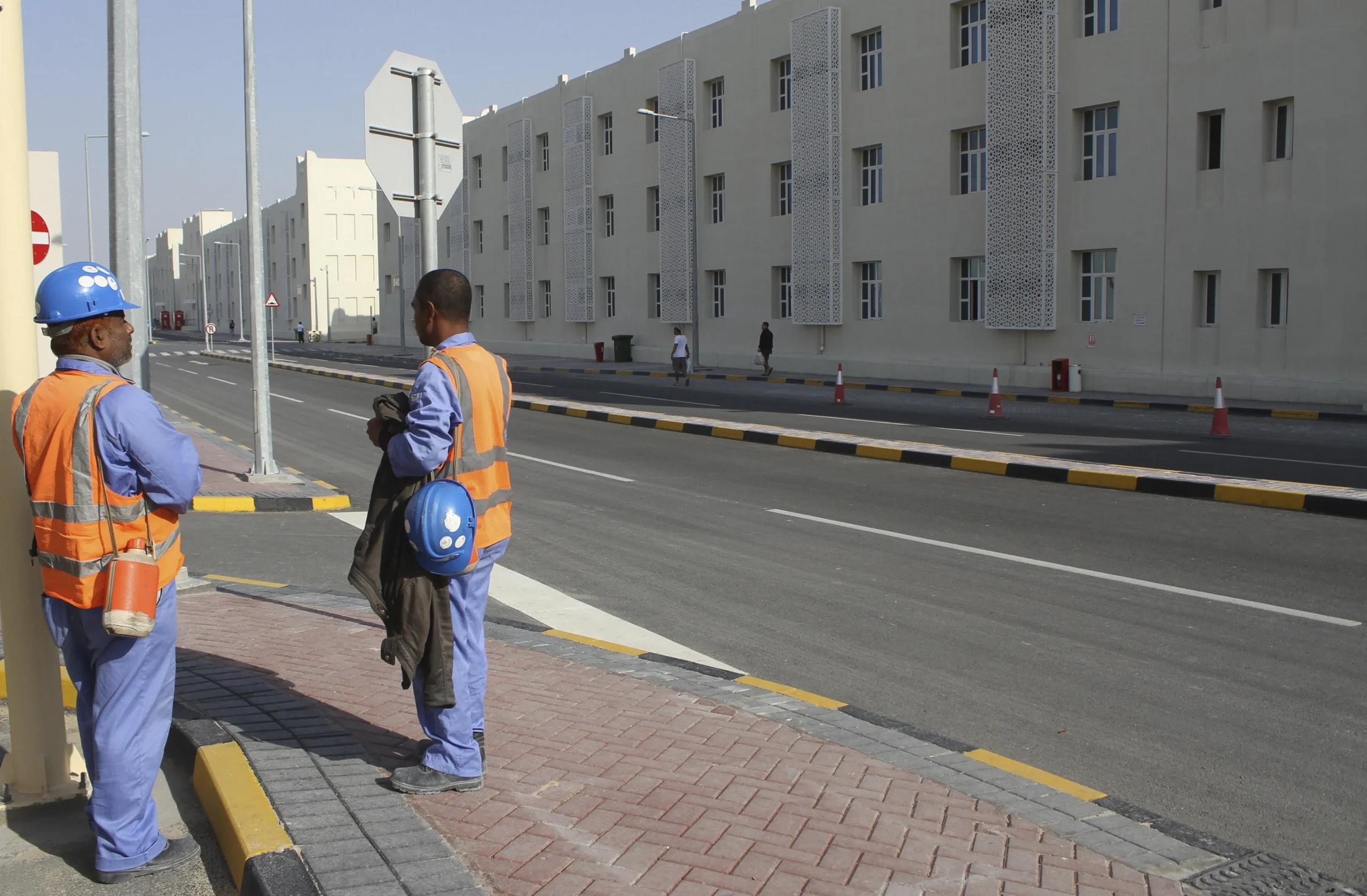
Demographics add another layer of opportunity. Europe faces an ageing workforce, while India has a large pool of young, skilled professionals. Managed well, migration partnerships could help fill Europe’s talent gaps while offering Indian workers new opportunities.
Ultimately, this deal is a blueprint for how middle powers can cooperate in an uncertain world—staying open while protecting their strategic interests. However, signing the agreement is only the beginning. Success will depend on smooth ratification, business-level cooperation and real progress in technology and energy partnerships.