
For many travellers, a simple vaccination check may be enough to ensure a safe and enjoyable trip to Europe
European summer holidays remain popular among travellers, but new public health advisories are encouraging tourists to check their vaccination status before visiting several countries in 2026.
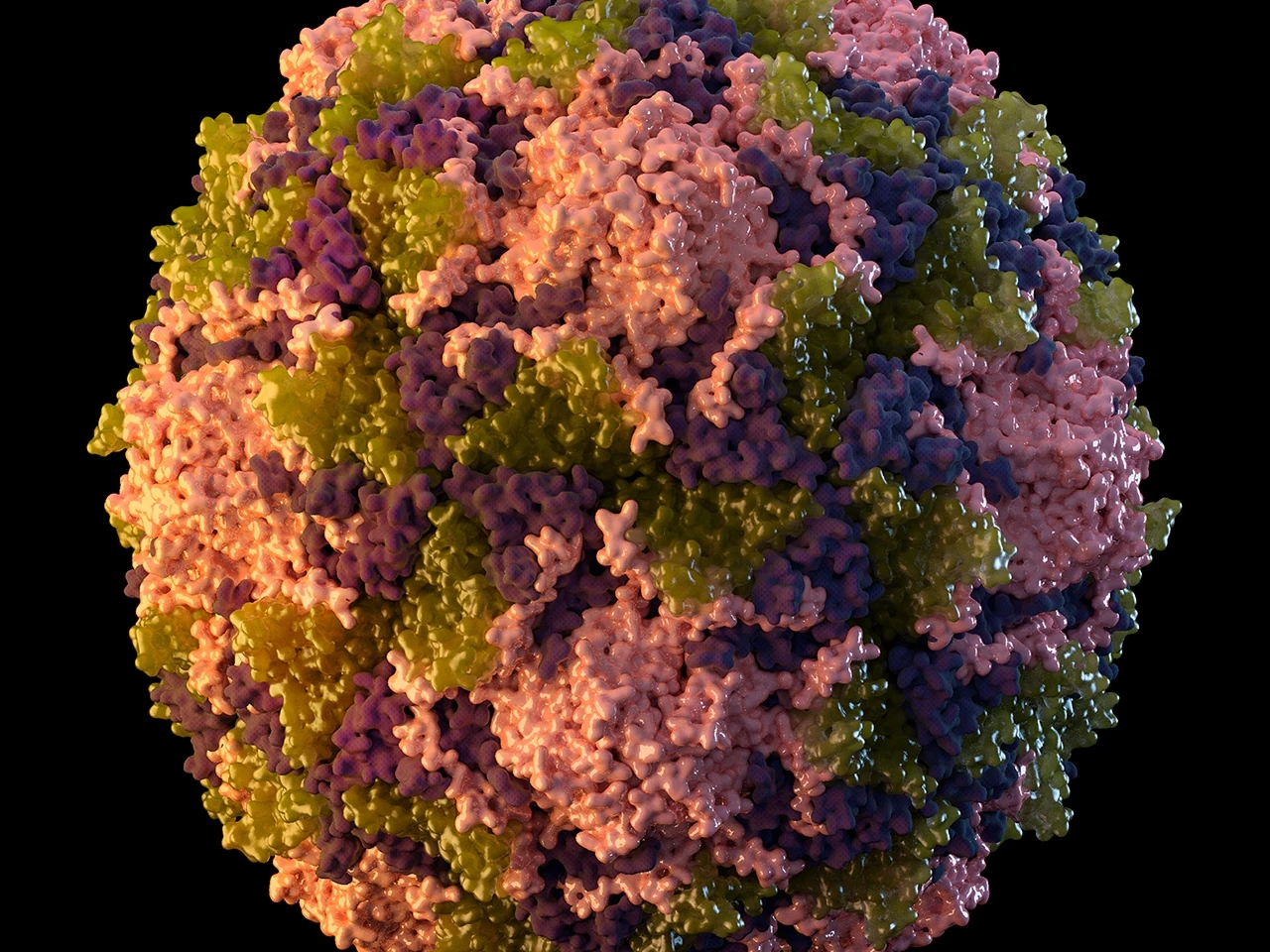
Health authorities are closely monitoring traces of poliovirus detected in wastewater across several European countries, including Spain, Germany, the United Kingdom, Finland and Poland. While no widespread illness has been reported among visitors, the detections have prompted precautionary travel advice.
The United States Centers for Disease Control and Prevention has placed 32 countries under a Level 2 polio advisory. This classification does not discourage travel but recommends additional health precautions.
-
For tourists, the guidance is straightforward. Travellers should ensure they have completed their routine childhood vaccinations against polio
-
Adults who were vaccinated earlier in life may also consider receiving a single booster dose before travelling, particularly if they plan extended stays
Germany has received special attention after a strain of wild poliovirus type 1 was detected in wastewater in Hamburg in late 2025. Scientists traced the strain to viruses circulating in parts of Afghanistan.
Other European countries have reported detections of vaccine-derived poliovirus type 2 in environmental samples. These cases usually occur in communities where vaccination coverage is low.
Public health officials emphasise that the virus has mainly been found through surveillance systems rather than in patients suffering paralysis, which means the risk to tourists remains low.
European governments are now focusing on improving vaccination coverage and strengthening monitoring systems to prevent outbreaks.
Travel clinics around the world are advising holidaymakers to check their immunisation records before departing. Carrying a documented vaccination record may also help travellers if health checks are required.
Tourism experts believe the advisory is unlikely to discourage travel significantly. Instead, it adds another item to the pre-travel checklist, similar to recommendations for vaccines against hepatitis or yellow fever.