

As debates about immigration intensify ahead of upcoming US political cycles, extremist voices like Fuentes continue to shape conversations on digital platforms — often amplifying divisive and discriminatory narratives
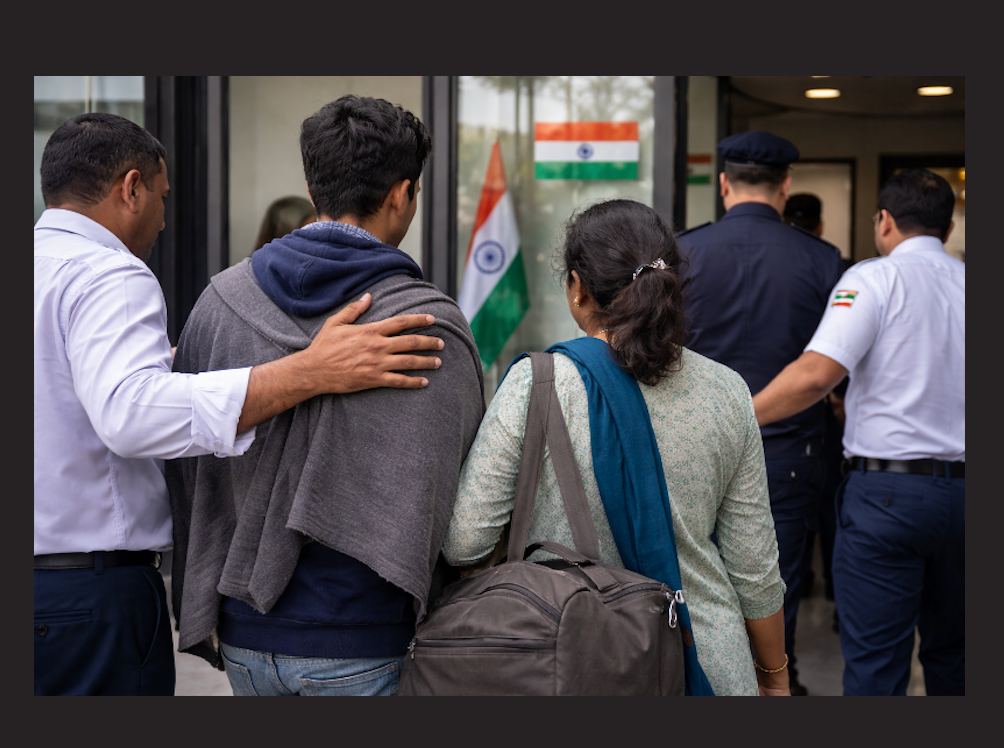
Nicholas J. Fuentes, a prominent American far-right activist known for his extremist and inflammatory rhetoric, has stirred controversy by demanding that India be placed on the United States’ travel ban list. His remarks came in response to reports suggesting that the Trump administration is planning a “full suspension” of immigration and naturalisation for citizens of 19 countries.
Fuentes, 27, is a well-known figure within fringe nationalist circles and has built a reputation for openly expressing racist, antisemitic, and misogynistic views. He commented “Now do India” on X (formerly Twitter), suggesting that India should be added to the list of restricted countries — a statement widely criticised as baseless and discriminatory.
The list currently includes Afghanistan, Myanmar, Chad, Congo, Equatorial Guinea, Eritrea, Haiti, Iran, Libya, Somalia, Sudan, Yemen, Burundi, Cuba, Laos, Sierra Leone, Togo, Turkmenistan, and Venezuela. These restrictions follow heightened scrutiny after an Afghan national was charged with shooting two National Guard members in Washington, D.C.
Fuentes has long attacked US immigration policies from the far right, frequently arguing that the country should drastically reduce immigration from non-Western nations. His stance, however, is not aligned even with mainstream conservative policy and has often been condemned by leaders across the political spectrum.
His criticism also reveals internal tensions within the “Make America Great Again” (MAGA) movement, where hardline nationalist ideologies clash with more traditional Republican positions. Fuentes has, on several occasions, accused Trump of not being “right-wing enough,” reflecting a growing ideological split among conservative factions.
Political analysts note that Fuentes’ demand appears rooted more in xenophobia than policy rationale, as India is one of the United States’ largest economic partners and a crucial democratic ally. Experts argue that such statements, even when circulated from fringe accounts, risk fuelling misinformation and anti-immigrant sentiment.
While the US government is unlikely to consider such a proposal, the incident illustrates how extremist commentary can influence online discourse. Indian-American groups and civil rights organisations have denounced Fuentes’ remarks, calling them provocative, baseless, and steeped in racism.