

-
As global student mobility continues to rise, the Berlin episode stands as a cautionary tale — not just about one university or country, but about what happens when systems fail to keep pace with change
-
For students in limbo, the hope remains simple: the chance to stay, study, and graduate as promised
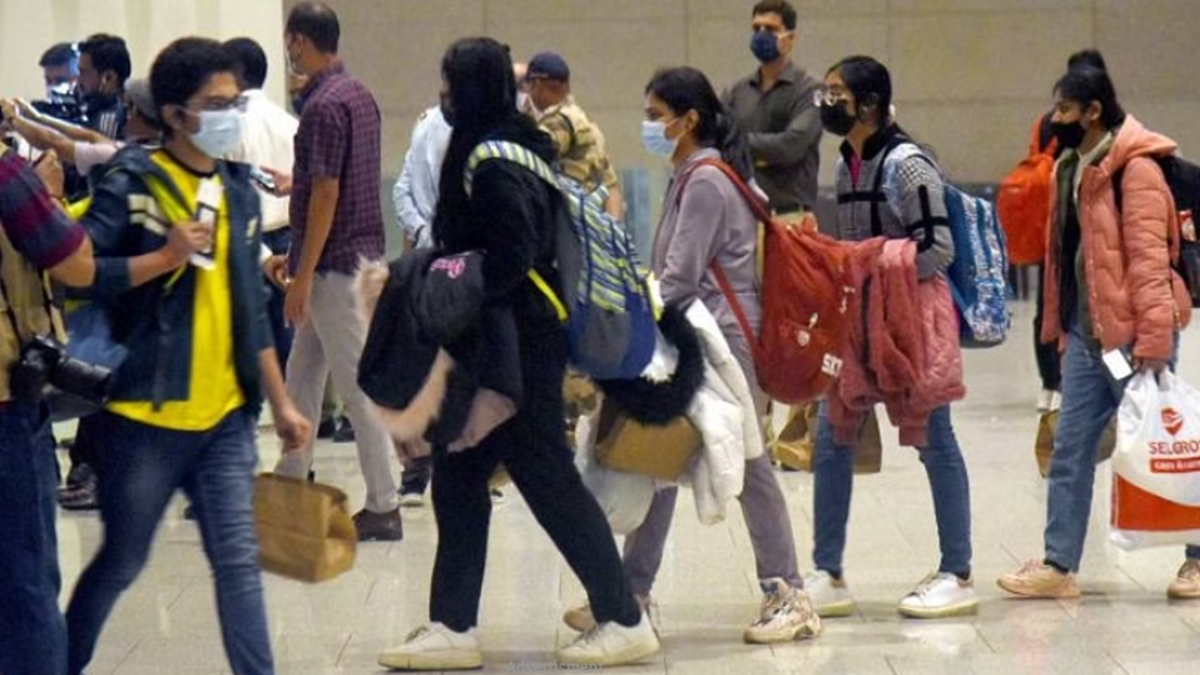
For hundreds of Indian students, Germany was supposed to be a gateway to world-class education, global exposure, and long-term career opportunities in Europe. Instead, many now find themselves trapped in legal uncertainty, facing possible deportation just months before graduation. The crisis, centred around Berlin’s International University (IU), has exposed troubling gaps in how international education, evolving learning models, and immigration rules intersect.
According to reports, Indian students who enrolled in IU programmes after investing substantial sums in tuition and education loans are being served visa notices. The issue is not academic misconduct or visa violations, but a sudden reinterpretation of whether their courses meet Germany’s in-person study requirements. Several programmes were marketed as hybrid or flexible but were understood by students to qualify as on-campus degrees compliant with student visa norms.
The breakdown lies in conflicting interpretations. While students entered Germany legally and attended courses in good faith, immigration authorities are now questioning whether these programmes satisfy face-to-face attendance criteria. This shift has left students caught between universities and visa officials, with little clarity or protection.
A report appeared in indiatoday.in quoted Mayank Maheshwari, Co-Founder and COO of University Living, who notes that such cases highlight systemic challenges rather than individual fault. International education, he explains, operates at the crossroads of academic institutions, intermediaries, and immigration regulators. When these systems are not aligned, students — who make life-altering decisions based on available information — are left vulnerable.
-
For affected students, the consequences are severe. Many have spent over €20,000, often financed through loans taken in India
-
Some are now being told they may complete their degrees remotely from India, despite having relocated to Germany with the expectation of an in-person campus experience
-
Legal appeals are underway, but outcomes remain uncertain
The episode has sent ripples through Indian families planning overseas education. Germany has long been viewed as a cost-effective and transparent alternative to destinations like the US or UK. Incidents like this risk eroding that trust and underscore the need for deeper due diligence. Beyond admissions and fees, students must now verify programme recognition, mode of instruction, attendance rules, and visa eligibility through official and up-to-date sources.
More broadly, the situation exposes a growing mismatch between modern education models and traditional visa frameworks. Hybrid and flexible learning formats are expanding globally, but immigration regulations often lag behind. Without clear, consistent communication and transitional safeguards, such gaps can derail student journeys.