
-
At home, the BJP strengthened its political position, even as concerns grew over the electoral process and the weakening of opposition voices
-
Overall, 2025 tested India’s foreign policy balance but also showed its ability to adapt under pressure
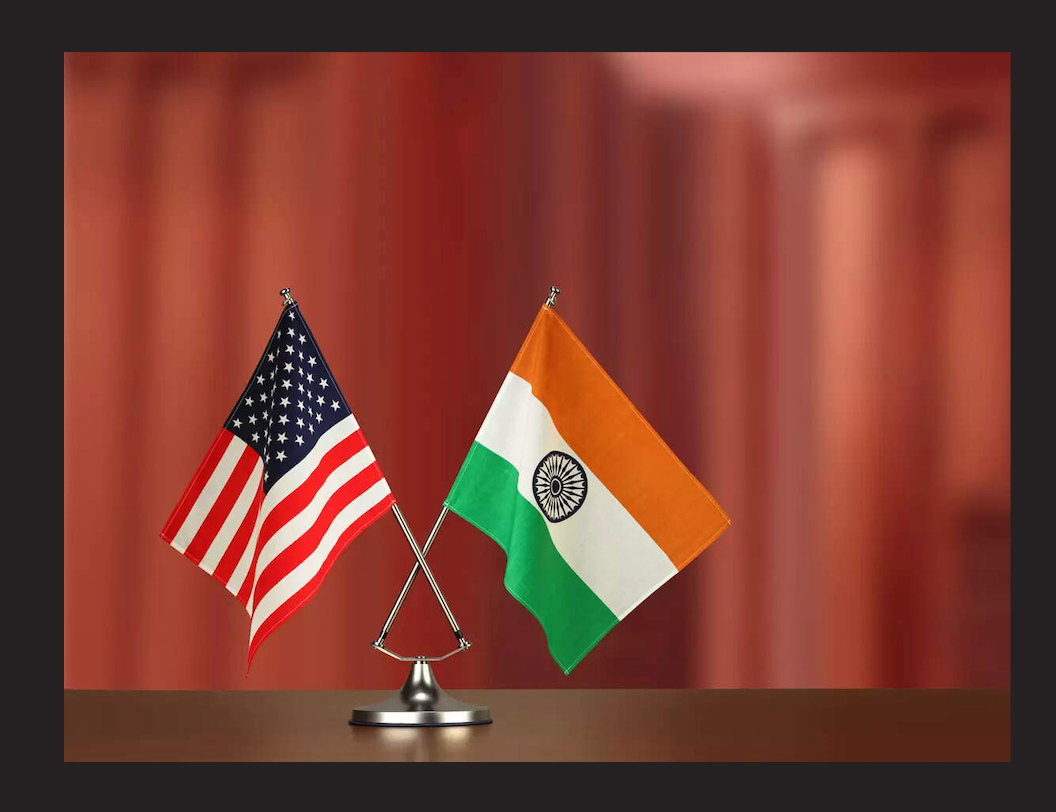
Year 2025 for India was largely defined by its uneasy relationship with the United States, which reached its most fragile point in over two decades. Many Indians had welcomed Donald Trump’s return as US President, hoping for a revival of his personal rapport with Prime Minister Narendra Modi. Instead, relations steadily worsened, forcing India to look for support elsewhere.
Early signs were not entirely bleak. Modi’s visit to Washington in February raised hopes of a quick trade deal that could give India an edge over other Asian exporters. However, talks stalled over India’s farm trade policies.
-
Matters worsened in April when the US imposed ‘reciprocal tariffs’, setting India’s rate at 25 per cent
-
In August, another 25 per cent was added, citing India’s continued purchase of Russian oil. India rejected the demand to stop these imports, calling it unfair
The tariffs hit some sectors harder than others. While electronics and pharmaceuticals were spared, helping India become the largest exporter of iPhones to the US, labour-heavy industries such as textiles suffered. At the same time, stricter US visa rules affected Indian students and professionals.
India responded by widening its export markets, pushing trade deals and reforming at home. These steps helped raise exports by over 20 per cent. Economic growth remained strong, crossing 7 per cent, though the falling rupee and uneven stock markets raised concerns.
Tensions with Pakistan after a terrorist attack in Kashmir, and Trump’s claims of mediation, further strained ties. In response, India reached out more openly to China and Russia, while still avoiding a complete break with the US.