
-
Bilateral trade currently stands at around $56 billion, and both sides aim to double this figure by 2030
-
Economists estimate the deal could add £25.5 billion to trade by 2040, with further growth expected over time
-
If launched in April 2026, CETA will mark a significant step in strengthening India–UK economic cooperation
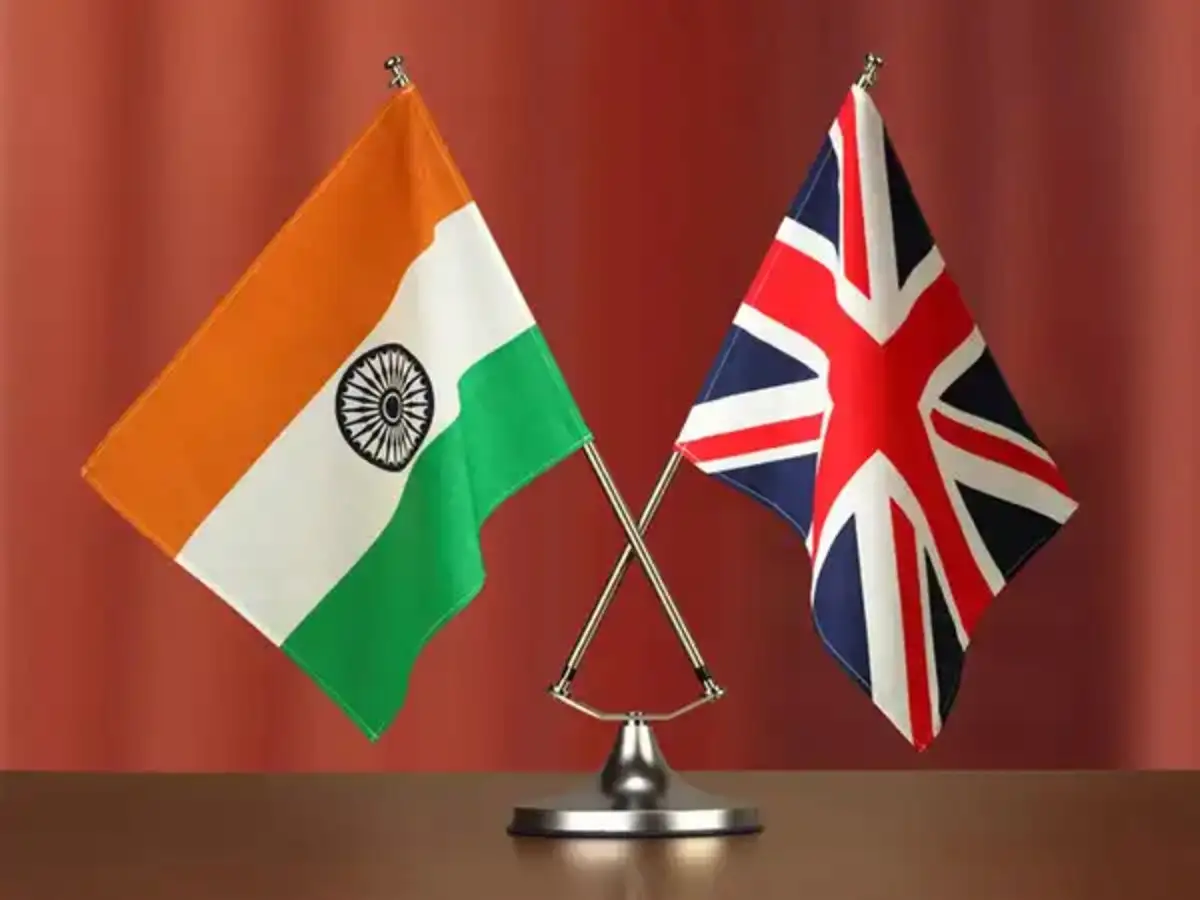
The long-awaited free trade agreement between India and the United Kingdom is expected to come into force from April 2026, marking a major milestone in economic ties between the two countries. The Comprehensive Economic and Trade Agreement (CETA), signed on July 24, 2025, aims to lower tariffs, improve market access and significantly increase trade flows between the world’s fifth and sixth largest economies.
Under the agreement, about 99 per cent of Indian exports will enter the UK market duty-free, benefiting key sectors such as textiles, footwear, gems and jewellery, sports goods and toys. In return, India will reduce tariffs on a range of British products, including cars, Scotch whisky and consumer goods like chocolates, biscuits and cosmetics.
-
Scotch whisky tariffs will be cut from 150 per cent to 75 per cent immediately, with a gradual reduction to 40 per cent by 2035
-
Import duties on automobiles, which currently reach up to 110 per cent, will be reduced to 10 per cent over five years under a quota-based system
-
These steps are expected to make British products more affordable for Indian consumers while boosting UK exports
The agreement is currently undergoing approval in the UK Parliament, with debates in both the House of Commons and the House of Lords, along with committee reviews. Once ratified in the UK, and cleared by India’s Union Cabinet, the deal will be implemented on a mutually agreed date.
Alongside CETA, both countries have also signed a Double Contributions Convention (DCC), which will prevent temporary workers from paying social security contributions in both nations at the same time. The two agreements are likely to be implemented together.