

-
Experts say the verdict could prompt countries to review recent or pending trade agreements with Washington
-
India is yet to sign its proposed interim trade agreement with the US, and officials are expected to assess the implications carefully
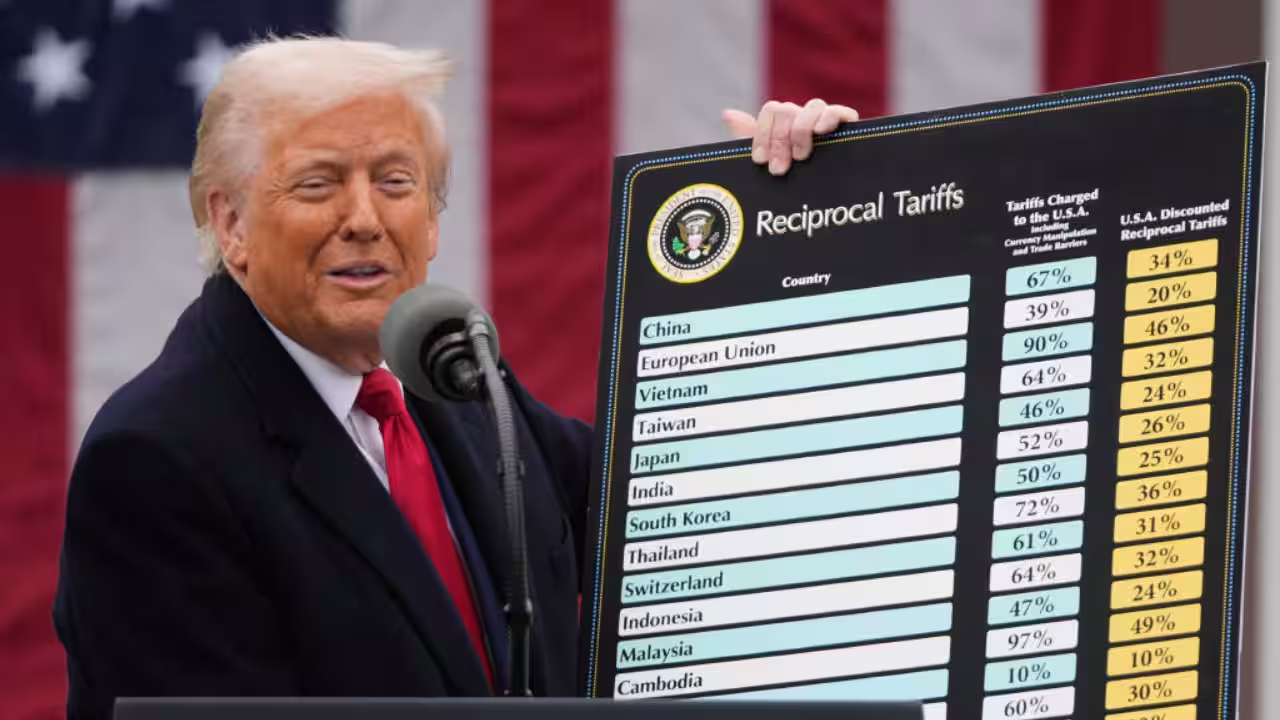
The U.S. Supreme Court has struck down the “reciprocal tariffs” imposed by Donald Trump, ruling that he overstepped his authority under the International Emergency Economic Powers Act. The decision, delivered on February 20 in a 6–3 verdict, offers relief to several trading partners, including India.
However, trade experts warn that the ruling does not end tariff pressures on Indian exporters. Other duties introduced over the past year remain in force and continue to affect shipments to the United States.
-
Soon after the judgment, Trump announced plans to impose a baseline 10% import duty under Section 122 of the Trade Act of 1974
-
This temporary measure, set for 150 days from February 24, allows the President to address trade imbalances through special import restrictions
In addition, tariffs under Section 232 of the Trade Expansion Act of 1962 remain unchanged. These include a steep 50% duty on steel and aluminium imports. For India, this is significant. Steel and aluminium together form one of the largest categories of exports to the US that are still subject to tariffs. Recent trade data show exports of these products fell by nearly 66% in December 2025 following the higher duties.
Another concern is the suspension of the “de minimis” exemption, which earlier allowed goods valued under $800 per person per day to enter the US duty-free. Since August 2025, these low-value shipments — often used by small exporters and e-commerce sellers — now attract duties based on country of origin. After the court ruling, the US administration confirmed that the suspension would continue.