

-
Although rising U.S. tariffs and tightening immigration policies create uncertainties, Indian IT services have so far weathered direct tariff pressures, with indirect impacts more likely to shape future industry dynamics
-
Continued diversification, strategic adaptation, and diplomatic engagement will be critical as both countries navigate a challenging trade environment
PRAVASISAMWAD.COM
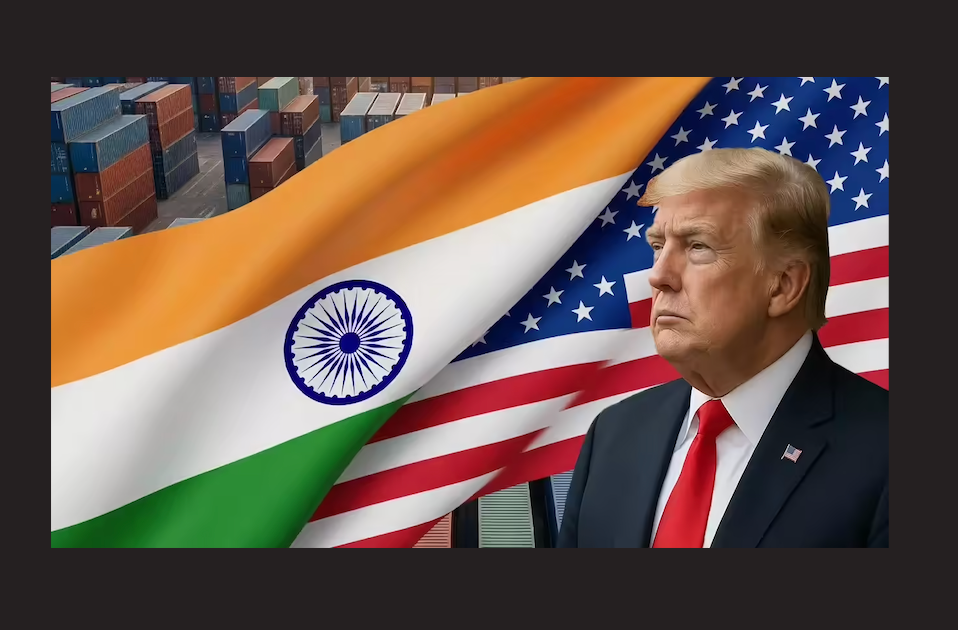
As trade tensions between India and the United States escalate, concerns have surfaced about the potential impact of higher tariffs on Indian exports. Recent geopolitical developments and U.S. legislative moves aimed at curbing Russia’s oil revenue have added stress to an already-complex bilateral relationship. U.S. President Donald Trump has signalled support for legislation that could levy tariffs of up to 500 per cent on nations, including India, that continue purchasing Russian crude, building on the current steep tariffs already in place.
While such punitive tariff frameworks threaten Indian goods shipments — with some sectors seeing significant export value at risk — the impact on India’s information technology (IT) services industry is expected to be comparatively limited in direct tariff terms.
-
Since digital and services exports generally fall outside traditional goods tariff regimes, Indian IT services have so far largely avoided direct hit from these duties
-
Industry experts have also pointed out that because services exports are not directly taxed under U.S. tariff provisions, the sector’s core business remains intact
However, the broader U.S. protectionist agenda has shifted focus toward non-tariff barriers that could indirectly affect Indian IT firms. One of the most significant policy changes involves stringent U.S. immigration reforms impacting the H-1B visa programme — a key channel for deploying skilled Indian professionals to the American market. A steep annual application fee of around $100,000 has been introduced for companies sponsoring such visas, a dramatic increase that has complicated traditional staffing models.
Moreover, U.S. legislative proposals such as the HIRE Act could impose a tax on payments made to foreign workers serving U.S. clients, effectively taxing services exports under a new framework. This represents a potential shift in how cross-border services are treated, with implications for competitiveness and contract profitability for Indian IT suppliers.
Despite these challenges, the Indian IT industry has shown adaptability. Many global capability centres (GCCs) and services firms are shifting strategies — boosting local hiring, expanding delivery from India, and reducing reliance on costly visa routes. This evolution reflects the sector’s agility in responding to regulatory headwinds while maintaining its strong contribution to India’s export earnings and economic growth.