
- With India’s international air travel market valued at nearly $17 billion, the stakes are high
- For now, travellers on UAE–India routes may need to prepare for fewer choices—and pricier tickets—until clarity returns to the skies
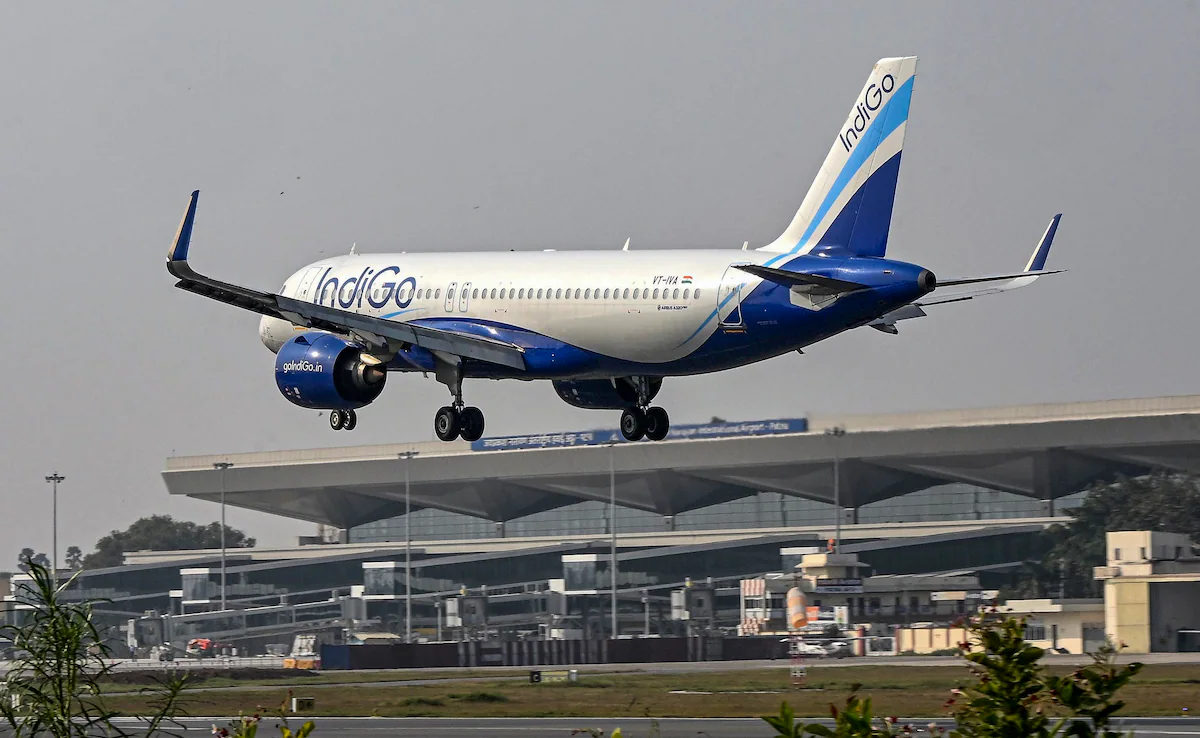
India’s largest airline, IndiGo, is navigating one of its toughest periods in recent years, and experts warn the impact could ripple directly into the UAE–India travel corridor. With new pilot rest and fatigue management rules disrupting schedules, the carrier has faced widespread delays and cancellations across India—creating a situation analysts call a turning point for Indian travellers.
Aviation strategist Linus Benjamin Bauer describes the moment as an “inflection point” for the market. With a dominant 64–65 per cent domestic share and more weekly flights to the UAE than any other Indian airline, IndiGo has long acted as the industry’s stabiliser. “If IndiGo stumbles, even temporarily, the market loses its most dependable shock absorber,” Bauer said. He added that stability at the carrier is not only beneficial, but “a macro-level requirement for the Indian consumer.”
- The UAE remains one of IndiGo’s most crucial international markets, with extensive connectivity to Dubai, Abu Dhabi, and Sharjah
- Any sustained disruption could translate into fare increases during an already busy winter travel season, when return tickets to major Indian cities can touch Dh1,700–Dh2,000
- Industry insiders estimate that even a slight capacity reduction could lift prices by 10–15 per cent across India–Gulf routes
Beyond scheduling pressures, experts point to mounting leadership strain at the airline. Bauer warns that governance challenges threaten IndiGo’s core strengths of reliability and efficiency, potentially slowing decision-making and dampening momentum just as the airline rolls out its long-haul expansion strategy using new wide-body aircraft.
IndiGo says operations are gradually stabilising after regulators temporarily paused parts of the new fatigue-management rules until 2026. But analysts believe the damage goes deeper. Saj Ahmad of StrategicAero Research called the situation “a very costly exercise,” arguing the airline should have anticipated regulatory shifts. He expects IndiGo to recover, but sees significant reputational impact—with passengers bearing the brunt.