
-
For Indian investors, the playbook is evolving. The focus is shifting from speculative gains to steady, dollar-denominated income
-
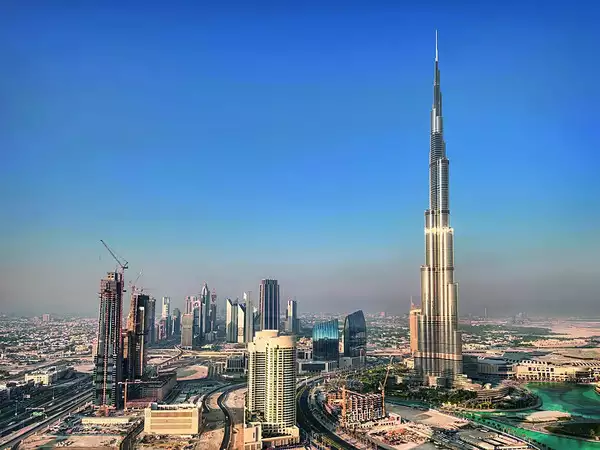
Dubai is no longer just an overseas destination—it has become a strategic extension of the modern Indian portfolio, offering stability in an increasingly volatile currency landscape
PRAVASISAMWAD.COM
For Indian real estate investors in 2025, the most influential number was neither a Mumbai pin code nor a Gurgaon appreciation chart—it was 90. As the Indian rupee slipped past the psychologically critical 90-to-the-dollar mark, a fundamental shift took place in how affluent Indians viewed overseas property, particularly in Dubai.
What was once considered a lifestyle indulgence or a prestige purchase has now evolved into a strategic financial decision. Dubai real estate is increasingly being treated as a hedge against currency depreciation rather than a holiday-home fantasy. The logic is simple: holding wealth exclusively in rupees exposes investors to inflation and long-term currency erosion, even if domestic growth remains strong.
-
In India, a fixed deposit or rental asset may promise returns of 7–8 per cent
-
However, once inflation and rupee depreciation are factored in, the real return often shrinks dramatically
-
Dubai, by contrast, offers tax-free rental yields of around 6–7 per cent, with the added advantage of the UAE dirham’s peg to the US dollar
-
For Indian investors, this currency alignment significantly enhances effective returns over time, creating a meaningful spread compared to domestic fixed-income options
This shift is not about capital flight but diversification. Indian businesses may continue to generate wealth at home, but long-term wealth preservation is increasingly being anchored in dollar-linked assets. Dubai’s proximity, regulatory clarity, and tax efficiency make it a natural choice for this role.
Beyond numbers, lifestyle dynamics have also played a role. The rise of the “super-commuter”—Indian founders and professionals who operate businesses in India while residing in Dubai—has strengthened the Mumbai–Dubai corridor. With short flight times and minimal time-zone differences, Dubai allows seamless business continuity alongside superior infrastructure and quality of life.
However, as the market heads into 2026, caution is warranted. A large supply pipeline is expected to test weaker, generic developments. Analysts anticipate a clear divide between standard units and high-quality, well-managed properties. Branded residences, master-planned communities, and assets with strong service and management layers are already commanding rental premiums and lower vacancy rates.