Seeking a winter escape by the sea, the author Abhay Kumar journeys from Bihar to Kerala and discovers more than scenic beauty. From spotless cities and disciplined public life to serene beaches and rich history, this travelogue captures why Kerala truly lives up to its name as God’s own country
PRAVASISAMWAD.COM
Far from the madding crowd of Bihar and the biting chill of North India, we decided to spend a few days of winter at a seashore. And what better option than Kerala, God’s own country.
So, on December 4, 2025, we decided to fly from Patna to Kozhikode via Chennai. Kozhikode in Kerala was earlier called Calicut when Chennai was known as Madras and Thiruvananthapuram was called Trivandrum.

Just when we were about to board our Indigo flight from Patna to Chennai en route Kozhikode (still called Calicut Airport), we were informed by the airlines about the inordinate delay in most of the flights due to “operational problems”. Mercifully, the flights to Chennai had relatively less ‘technical glitches’ than those flying to Hyderabad and Bangalore (Bengaluru).

Waiting at the airport to board, it was past midnight. The airline guys were graceful enough to provide us snacks and dinner. Eventually, we thanked our stars when we boarded and the flight took off.
FROM DUSK TO DAWN
Before the flight could touch the tarmac of the Calicut International Airport early morning on December 5, we could see the lush green Kerala. An array of coconut groves and banana trees across the seashores added to the charm. There was a breath of fresh air everywhere as we got down. Unlike North India, where you will find ‘paan ka peek’ (betel juice) and ‘ghutkas’ (tobacco products) sprayed by the taxi drivers all over the parking area, Kozhikode presented a totally different look. Absolutely neat and clean with not a single drop of prohibited tobacco products.
“This is the difference between a literate and an educated. While most of us are literate, people in Kerala are genuinely educated after attaining 100 per cent literacy,” my wife, who is very conscious about cleanliness and mannerism, informed me. This was her third trip to Kerala, and she had observed the State and its people very minutely.
ALLEPPEY: VENICE OF INDIA
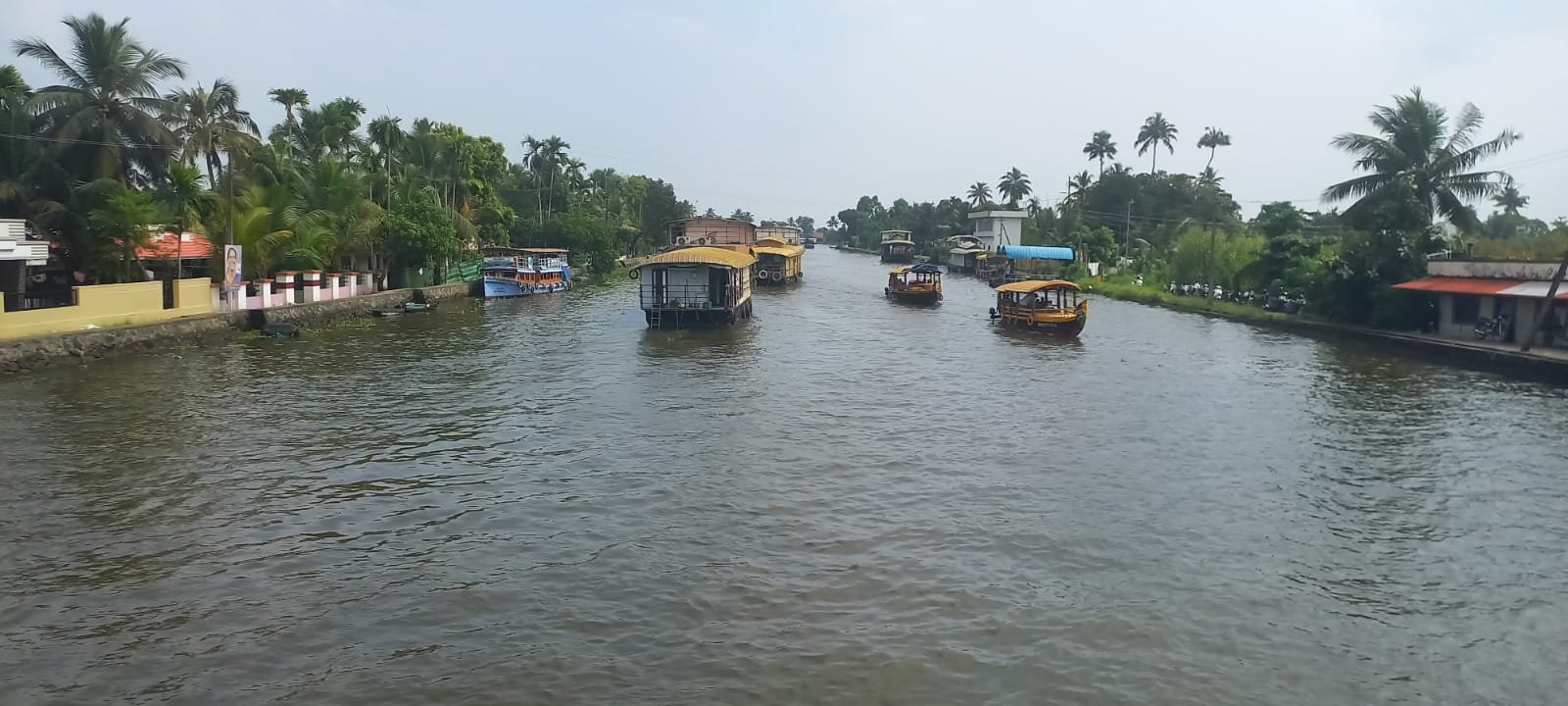
During our five-day stay, we travelled from North Kerala to South Kerala up to Alleppey. The city Alleppey is famous for backwaters and is rightly called ‘Venice of India’ for its iconic houseboat cruises. One of the top tourist spots in Kerala, Alleppey is a prime destination for guests from offshores and within the country too, who want to enjoy motor boat race, view lagoons through shikaras/houseboat, besides Ayurvedic Spas, all lined up across the shores.
Before reaching from Kozhikode to Alleppy, we crossed Thrissur, Kochi and Ernakulam. One most important and noticeable point was: Not one encroachment on any footpath, subway or beneath the lengthy flyovers. This was in stark contrast to the cities in North India where people, mostly vendors, jostle and rub shoulders to park their carts and kiosks to sell vegetables/momos/egg-rolls. If any space is still left, people will park their two-wheelers or even four wheelers on the footpath or the space beneath any flyover.
But not so in Kerala. I travelled five districts and was aghast to find such amazing discipline among one and all. It was more an eye-opener precisely because Kerala has a Left Government, a pro-labour class regime, for the last 10 years, but you can’t find any poor or labour class erecting a temporary ‘jhuggi’ (makeshift house) and encroaching Government land by making the pavements their home sweet home.
CASE STUDY
This should be a classic example of case study for all those involved in urban development planning or cleanliness and find out how to keep encroachers at bay and ensure the city is clean. “But more than the Government rules and regulations, it’s the genuinely educated people of Kerala who abide by the law. And here lies the difference between North Indian people (who feel proud in violating rules at the drop of their hat) and those living in Kerala,” my better half averred, adding “Otherwise, have you seen the traffic police here policing the people and threatening them to follow rules. Education is the key.”
She was correct in her assessment.
HISTORICAL BEACH
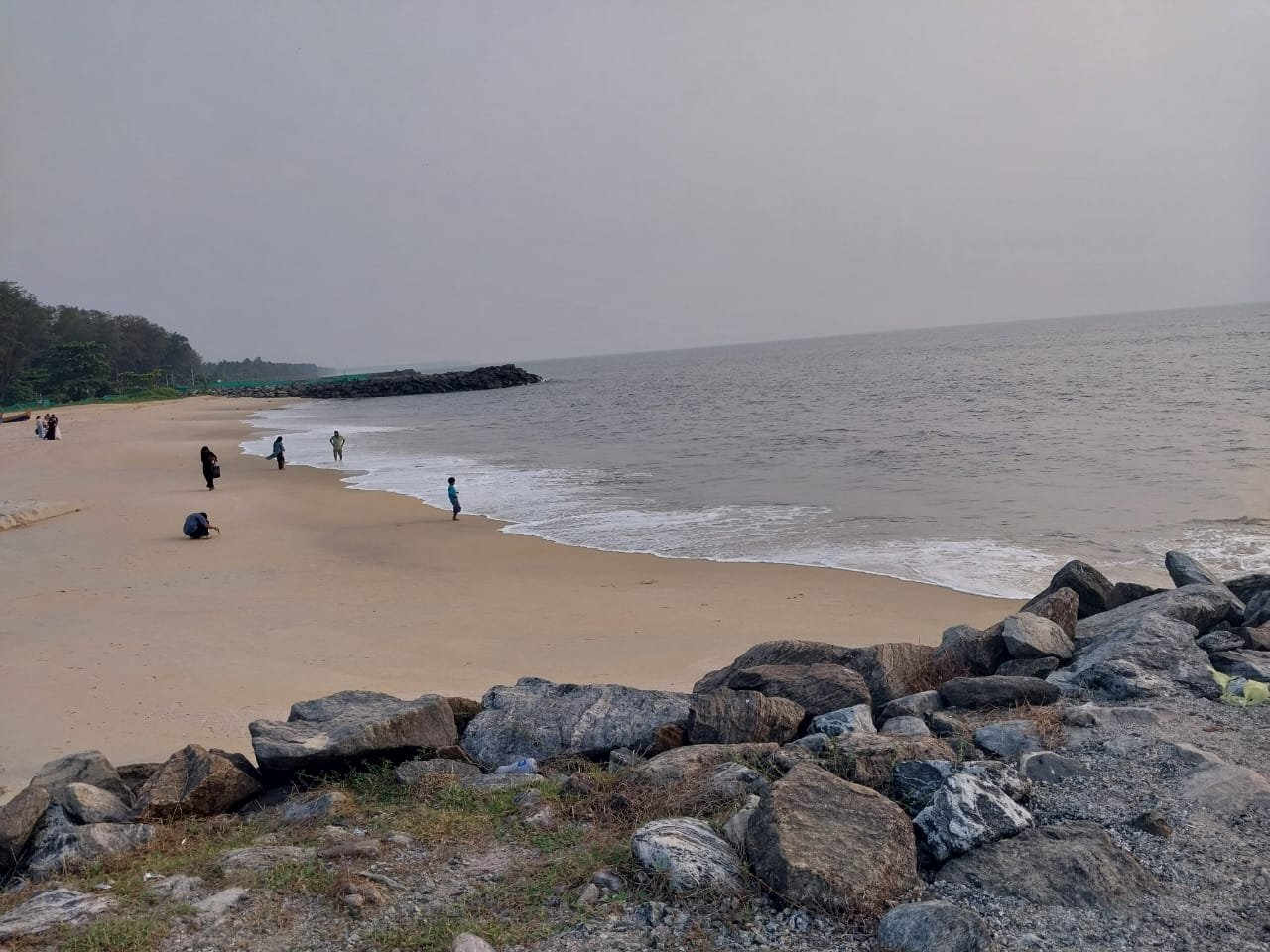
Before winding up our Kerala tour, we decided to visit Kappad sea beach at Kozhikode. Around 15 kms from the city, this is the historical beach where Vasco Da Gama landed on May 20, 1498. This marked the beginning of European trade in India.
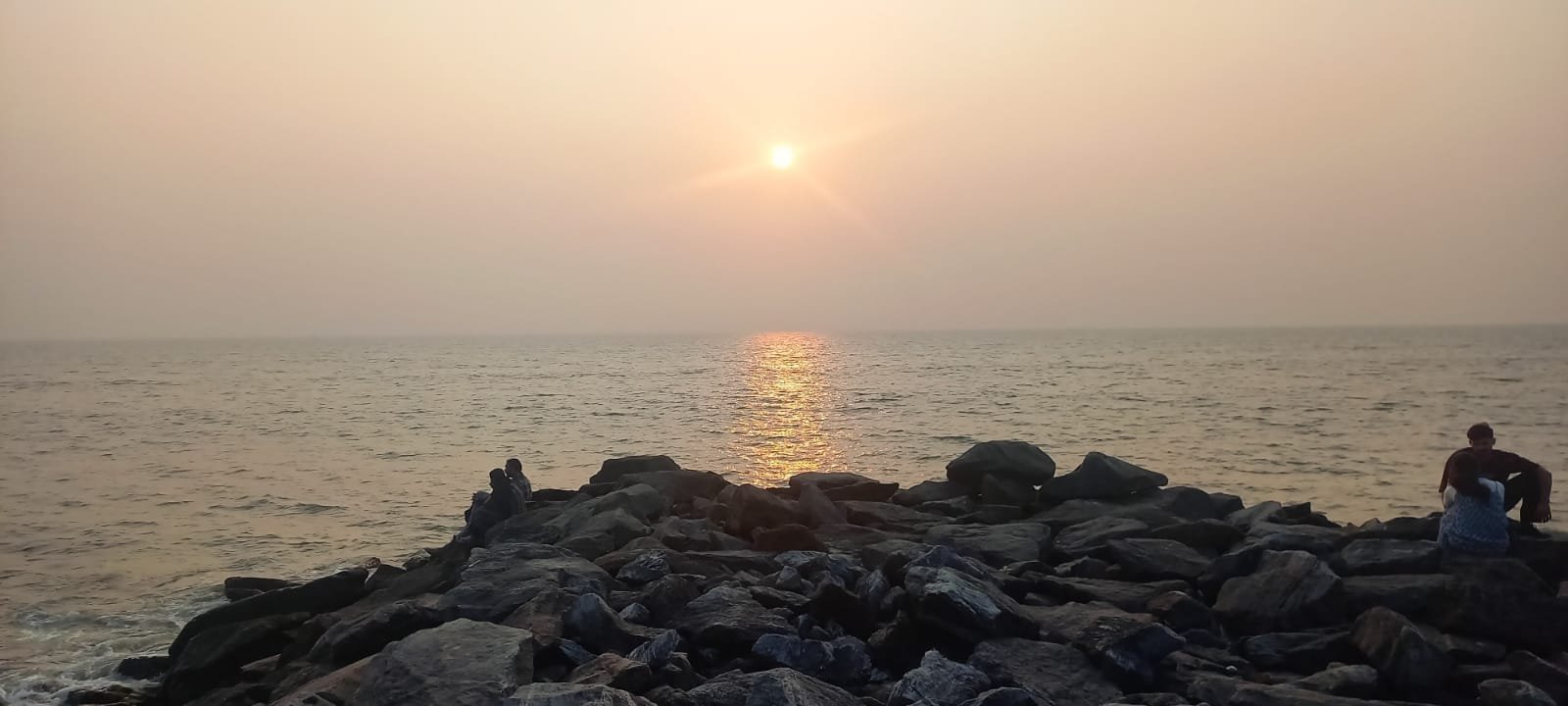
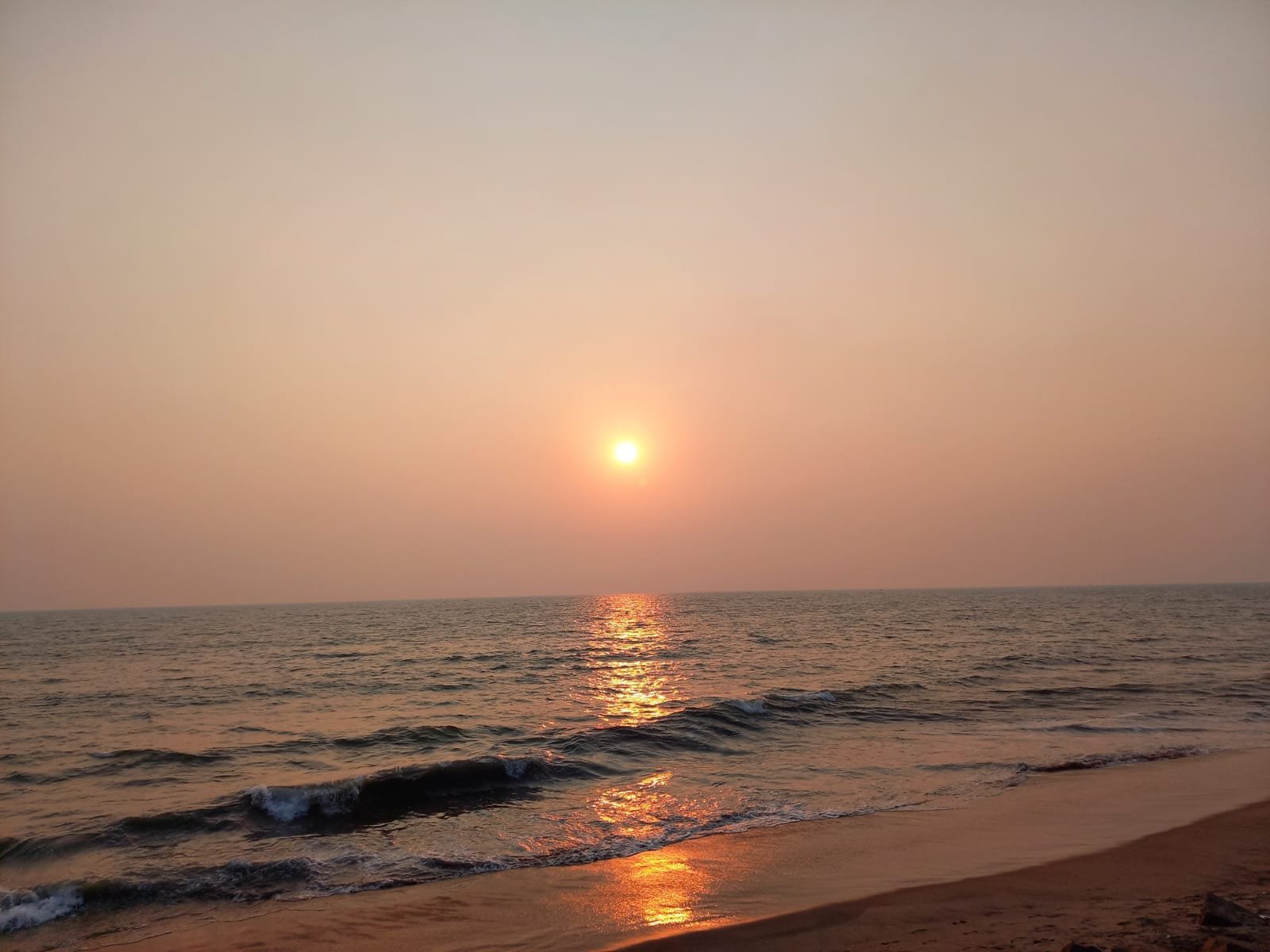
Not very crowded, Kappad beach appeals to all nature lovers, across the age group where you will find elderly couples enjoying the seashores while the younger ones playing football and volleyball. The iconic beach was ideal for us to relax, enjoy the water current while watching the Arabian Sea during the sunset.
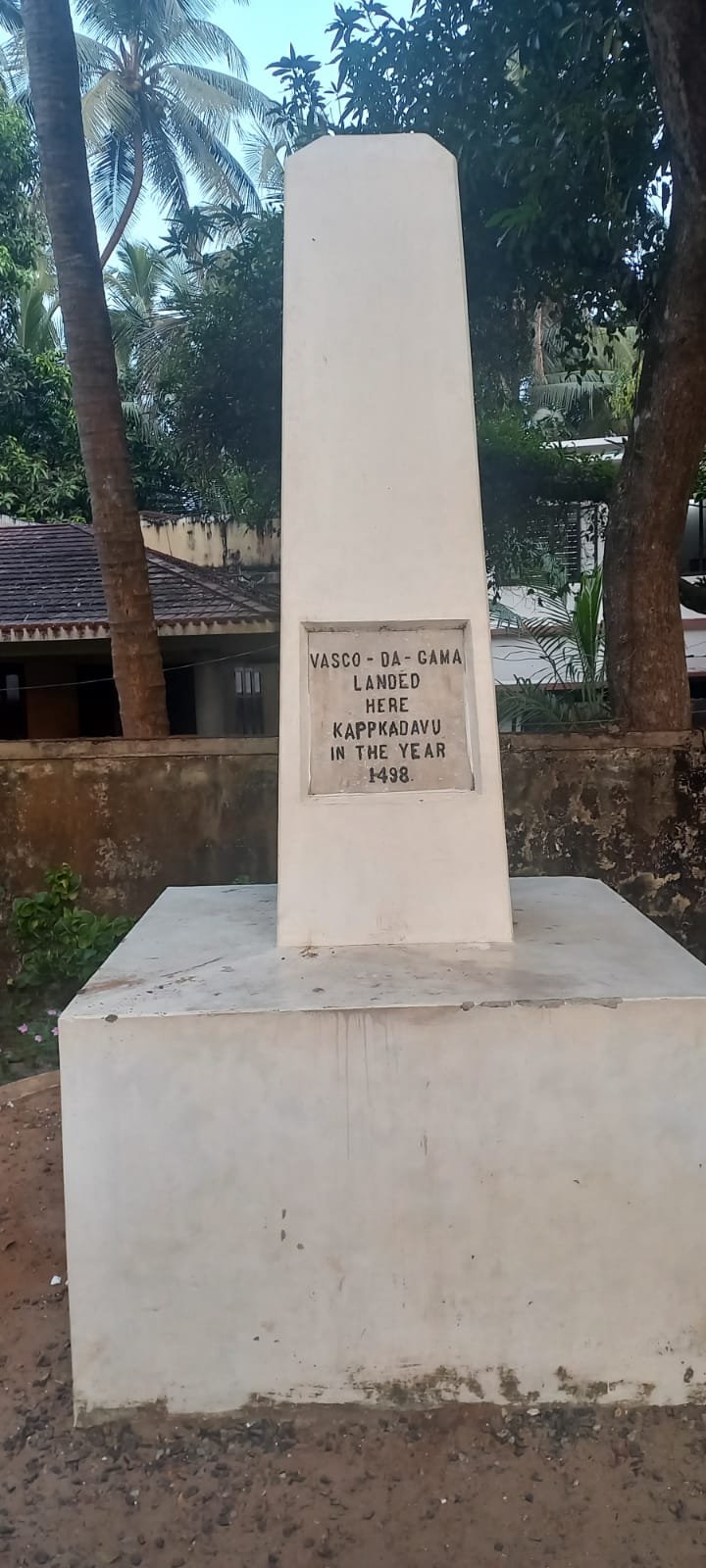
While returning to our guest house, our taxi driver Abdul, who earlier worked in a Gulf country and now runs a taxi business in his hometown in Kerala, stopped at the memorial near Kappad beach. The stone monument, erected by the Government, had an inscription: “Vasco Da Gama landed here, Kappakadavu in the year 1498”.
Abdul’s effort to make us aware about the rich and historical legacy provided us the clearest evidence of genuine literacy. And Kerala, without any iota of doubt, is miles ahead on this front.
(Abhay Kumar is a senior journalist, having worked with Hindustan Times and Deccan Herald for over three decades)