
-
Legal observers have termed the judgment a significant reminder of the judiciary’s role in safeguarding civil liberties, particularly in cases involving NRIs and visitors who may be vulnerable to procedural excesses
-
The ruling underscores the need for police reforms, stricter adherence to due process, and greater sensitivity in criminal investigations
PRAVASISAMWAD.COM
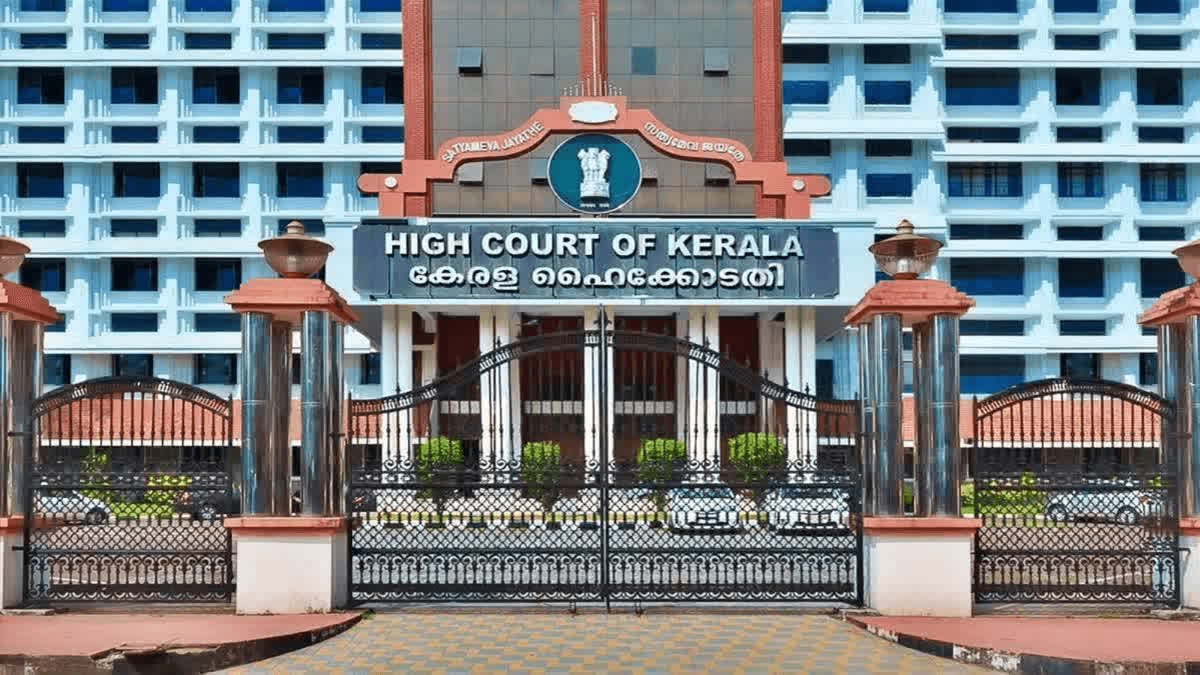
The Kerala High Court has directed the State government to pay compensation to a Non-Resident Indian (NRI) who was wrongfully arrested and imprisoned for nearly two months on fabricated charges, highlighting serious lapses in police investigation and violation of personal liberty.
In its ruling, the court ordered the government to pay ₹10 lakh to Thalassery native V.K. Thajudeen, who was jailed for 54 days after being falsely accused of chain snatching in July 2018. In addition, the court awarded ₹1 lakh each to his wife and three children, acknowledging the emotional distress and trauma suffered by the entire family due to the wrongful arrest.
-
Thajudeen, an NRI, had returned to Kerala on a 15-day leave to attend his daughter’s wedding—a visit that turned into a harrowing ordeal
-
While travelling in a car with his family, he was taken into police custody after officers claimed he resembled a suspect seen in CCTV footage related to a chain-snatching incident
-
Despite the absence of credible evidence and without conducting a proper verification, the police proceeded to arrest and charge him
The High Court observed that the police failed to follow basic investigative procedures and relied solely on a superficial resemblance captured in CCTV footage. It noted that such reckless actions amounted to a gross misuse of power and resulted in the unlawful deprivation of an individual’s fundamental right to personal liberty, guaranteed under the Constitution.
During the proceedings, the court also took into account the mental anguish, reputational damage, and disruption caused to Thajudeen and his family. The prolonged incarceration not only derailed his personal and professional life but also cast a lasting shadow over a family occasion meant to be joyous and celebratory.
Emphasising the accountability of law enforcement agencies, the court stated that monetary compensation was necessary to partially remedy the injustice and to serve as a deterrent against similar violations in the future. It reiterated that the State is vicariously liable for the actions of its police officers when constitutional rights are infringed.