
The issue is likely to remain a point of discussion in diplomatic and community forums.
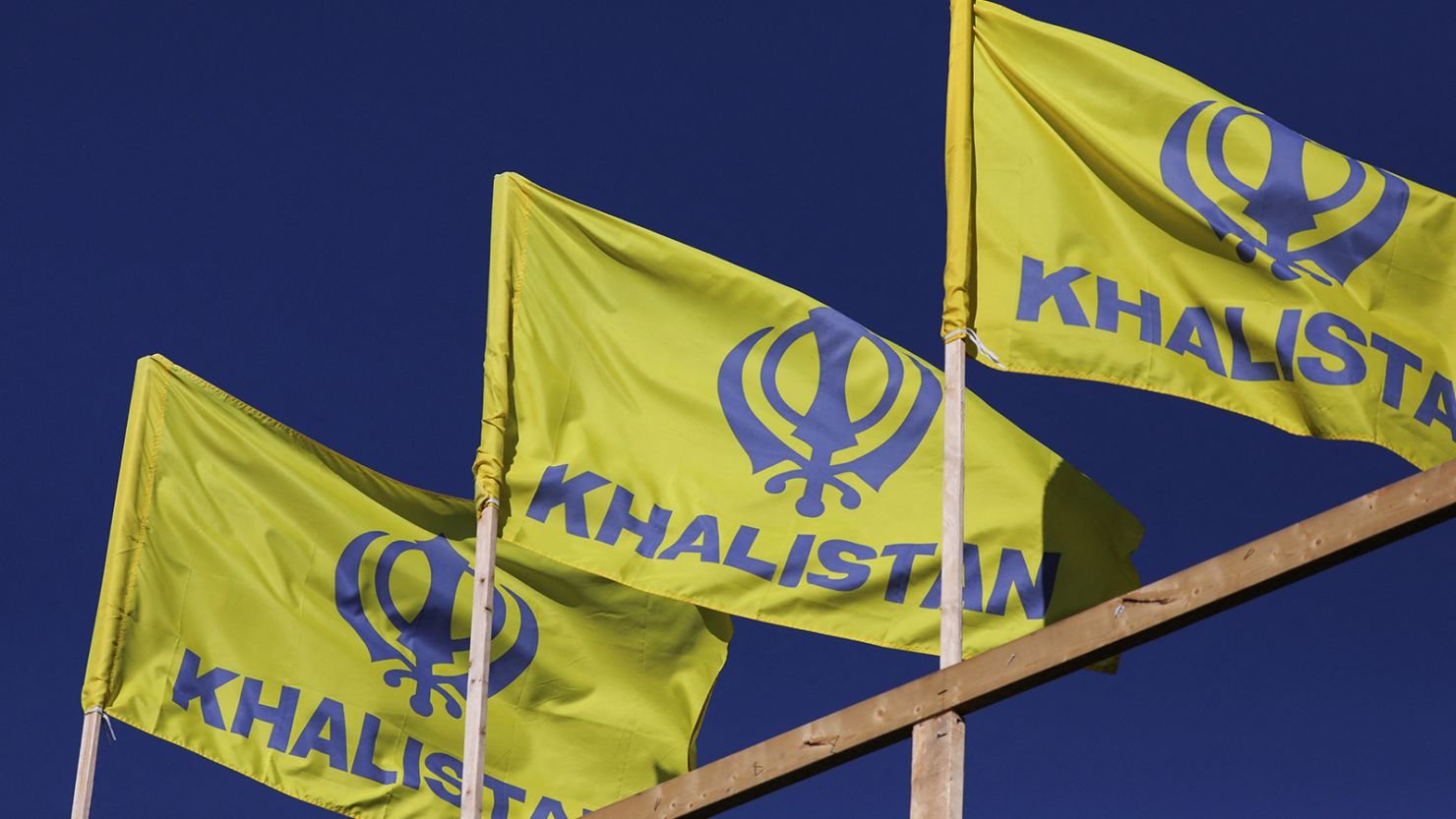
Concerns over Khalistani extremism have resurfaced within segments of the Sikh diaspora in Canada, prompting political and community-level responses. Recent statements from Indian political leaders have highlighted fears of organised attempts to influence religious institutions abroad.
Reports suggest that tensions among Sikh groups in regions such as Ontario are not isolated disputes but may reflect deeper ideological divisions. Allegations include efforts to control gurdwaras and mobilise support through religious platforms
At the same time, participation in recent protests and events linked to these movements has reportedly been lower than expected, raising questions about the scale of support.
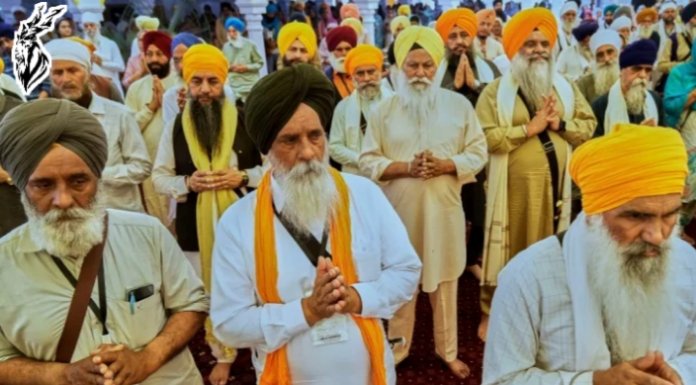
Community leaders in Canada have emphasised the importance of distinguishing between mainstream Sikh identity and fringe extremist elements. Many have called for unity and caution against narratives that could stigmatise the broader community.
Canadian authorities have acknowledged concerns about extremist networks but continue to balance security considerations with civil liberties. The issue remains sensitive, given the historical and political context.
Experts say the situation highlights the complexities of diaspora politics, where transnational issues can influence local dynamics. The role of social media and digital mobilisation is also seen as a key factor in shaping perceptions and engagement.
For the Indian diaspora, the development underscores ongoing challenges in maintaining community cohesion while addressing security concerns.