

Press Release
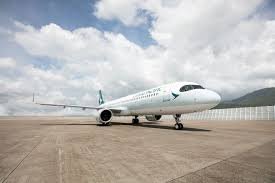
Passenger load at Navi Mumbai International Airport (NMIA) recorded a marked rise on December 25, the first day of passenger operations, fuelled by heightened traveller interest and start commercial operations. The overnight spurt in passenger load points to a positive response from travellers.
A day earlier, on December 24, passenger load levels stood at 71 percent for arrivals and 83 percent for departures. With the start of scheduled operations on December 25, arrival load increased to 85 percent, while departure load climbed to 98 percent, reflecting a strong jump in booking levels as operations commenced on 25th December.
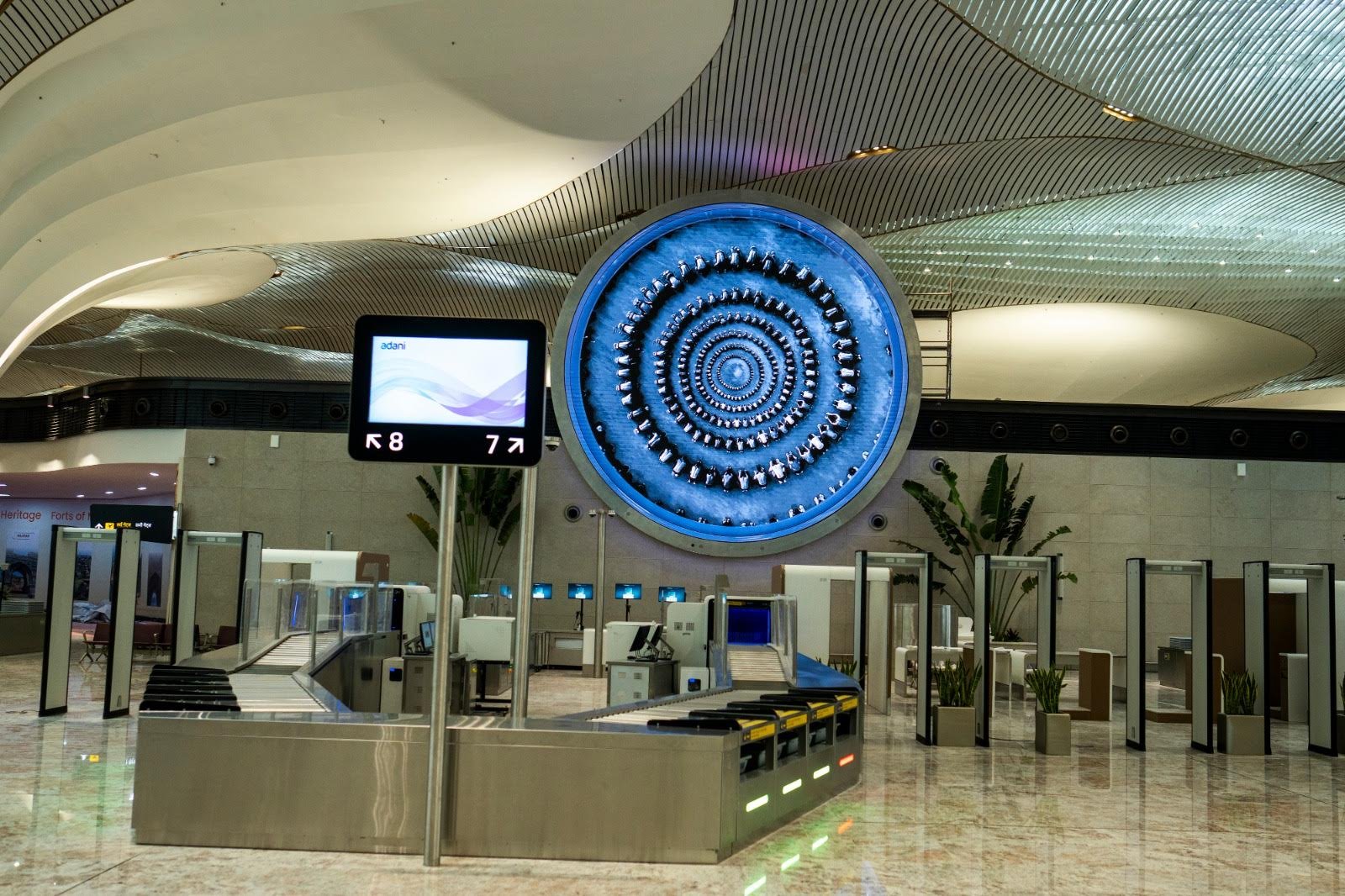
On the first day of operations on 25 December, the airport recorded a total passenger throughput of 4,922, with 2,278 arriving passengers and 2,644 departing passengers, indicating strong demand from the Mumbai Metropolitan Region. On 26 December, passenger traffic increased further, with the airport handling a total of 5,028 passengers.
About Navi Mumbai International Airport Limited
Navi Mumbai International Airport Private Limited (NMIAL) is a special purpose vehicle established for the development, construction, operation, and maintenance of the greenfield international airport project at Navi Mumbai, Maharashtra. NMIAL is a Public Private Partnership (PPP) between Mumbai International Airport Limited (MIAL), a subsidiary of Adani Airports Holdings Limited (AAHL), which holds the majority stake of 74 percent, while the City and Industrial Development Corporation of Maharashtra Limited (CIDCO), a Government of Maharashtra undertaking, holds the remaining 26 percent. AAHL is a subsidiary of Adani Enterprises Ltd, the flagship incubator of the Adani Group.
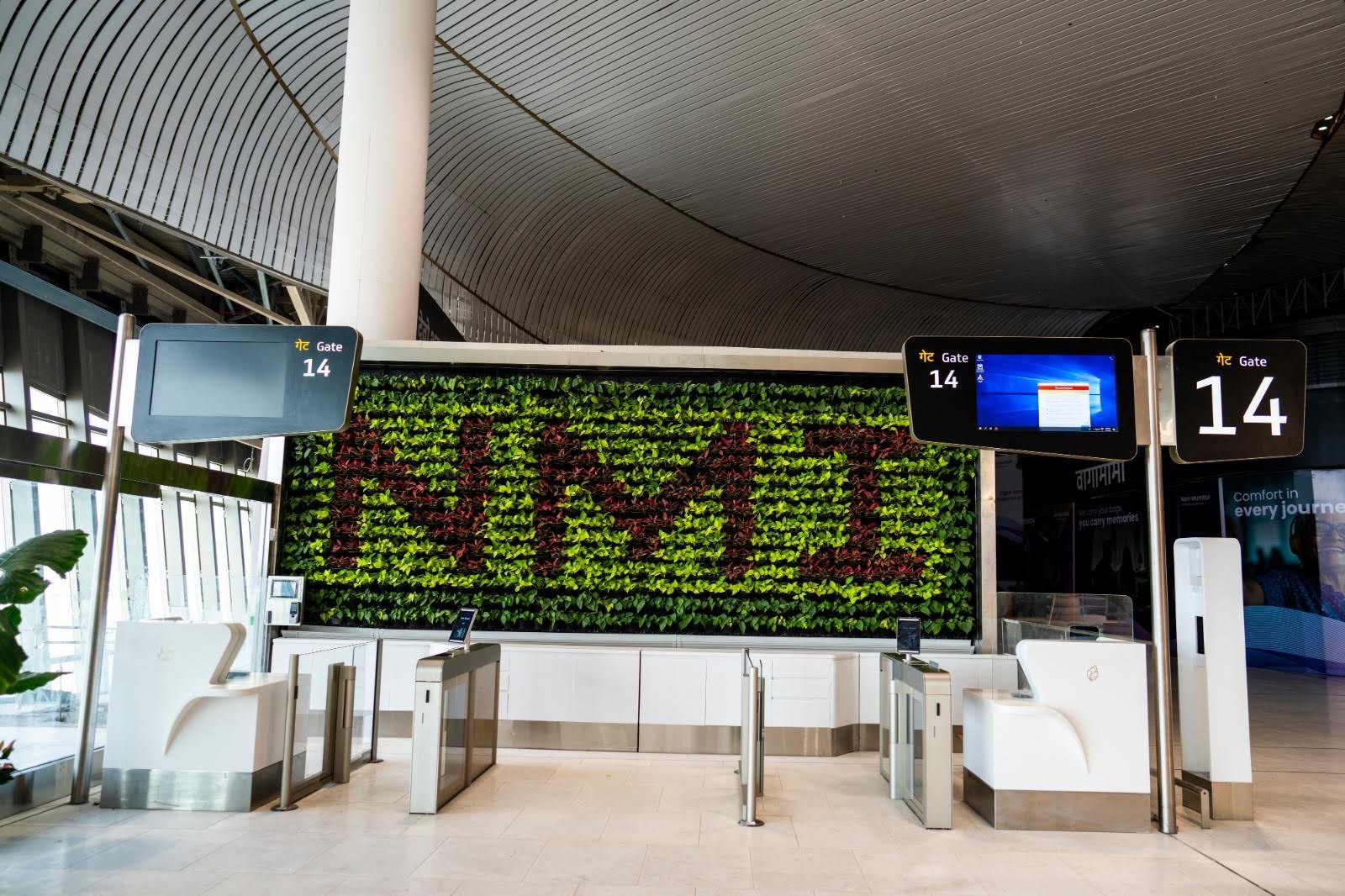
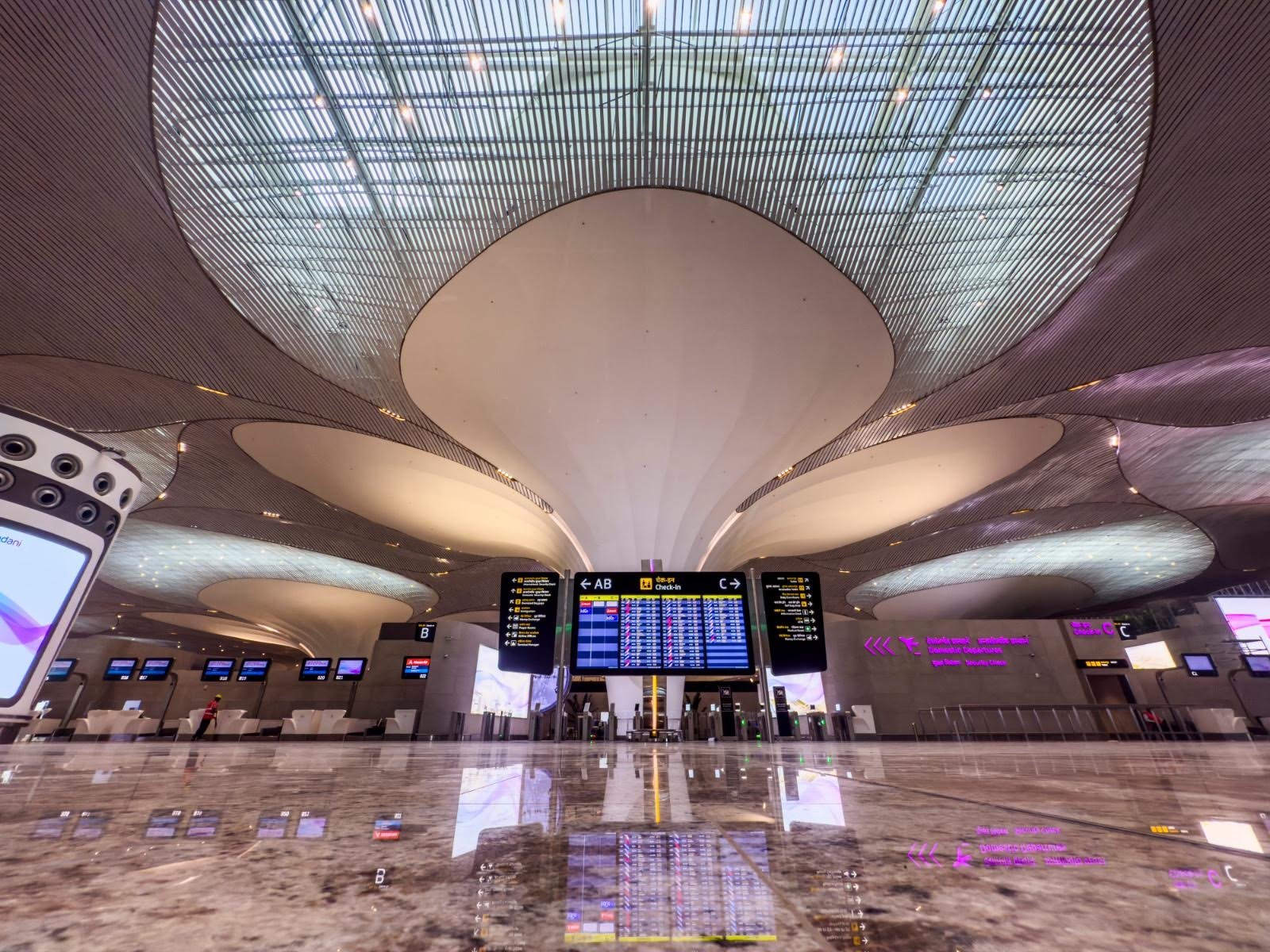
Navi Mumbai International Airport (NMIA) (IATA: NMI; ICAO: VANM), is set to become one of the busiest and most significant aviation hubs in India. Located in Navi Mumbai, Maharashtra, NMIA is strategically positioned to cater to the burgeoning air traffic demands of the Mumbai Metropolitan Region and Western India. Spanning over 1,160 hectares (2,866 acres), on completion, NMIA is designed to handle 90 million passenger per annum (MPPA). The airport will feature two parallel runways, state-of-the-art terminal buildings, and advanced cargo facilities, ensuring seamless passenger experience and efficient cargo handling. NMIA is set to be a greenfield airport with sustainable and eco-friendly infrastructure, incorporating renewable energy sources and green building practices. The fluid and futuristic design is influenced by the Lotus, India’s national flower.
In the initial phase, NMIA will have the capacity to manage 20 MPPA and 0.5 million metric tonnes of cargo annually. NMIA is committed to setting new benchmarks in operational efficiency, sustainability, and passenger satisfaction. With its modern infrastructure and strategic location, NMIA is poised to become a prominent gateway to India and a significant player in the global aviation industry.