

India’s diaspora is witnessing major shifts across investment, travel, visas and identity. From new policy incentives and global forums to disrupted Gulf routes and stricter mobility systems, overseas Indians are navigating changing opportunities and challenges, balancing financial engagement, cultural ties and practical realities in an increasingly complex global environment
-
India raises NRI investment limits
Policy signals stronger diaspora focus
India has increased the investment limits for Non-Resident Indians in listed companies, allowing higher individual and collective holdings. The move reflects a policy shift to treat the diaspora as a key financial resource. It signals New Delhi’s intent to attract long-term overseas capital into domestic markets.
-
Realty sector targets overseas Indians
Developers seek to tap diaspora demand
Real estate developers across major Indian cities are actively targeting Non-Resident Indians as key buyers. Despite strong interest, experts say regulatory hurdles and complex procedures continue to limit the full potential of overseas investment in India’s property market, slowing what could otherwise be a larger inflow.
-
Skilled diaspora hesitant to return
Quality-of-life concerns emerge
Many highly skilled Indians abroad are choosing not to return despite financial stability. Personal accounts highlight frustration with everyday challenges and infrastructure gaps in India. This sentiment presents an emotional counterpoint to government efforts aimed at encouraging diaspora investment and long-term engagement with the country.
-
Global diaspora forum opens in Bengaluru
Platform aims to boost collaboration
The Indiaspora Forum 2026 in Bengaluru is bringing together global Indian leaders from business and technology sectors. The event aims to strengthen collaboration and position diaspora networks as drivers of innovation, investment and global influence, reflecting India’s growing reliance on overseas connections for economic and strategic growth.
-
Gulf travel hit by airspace instability
Indian workers face uncertainty
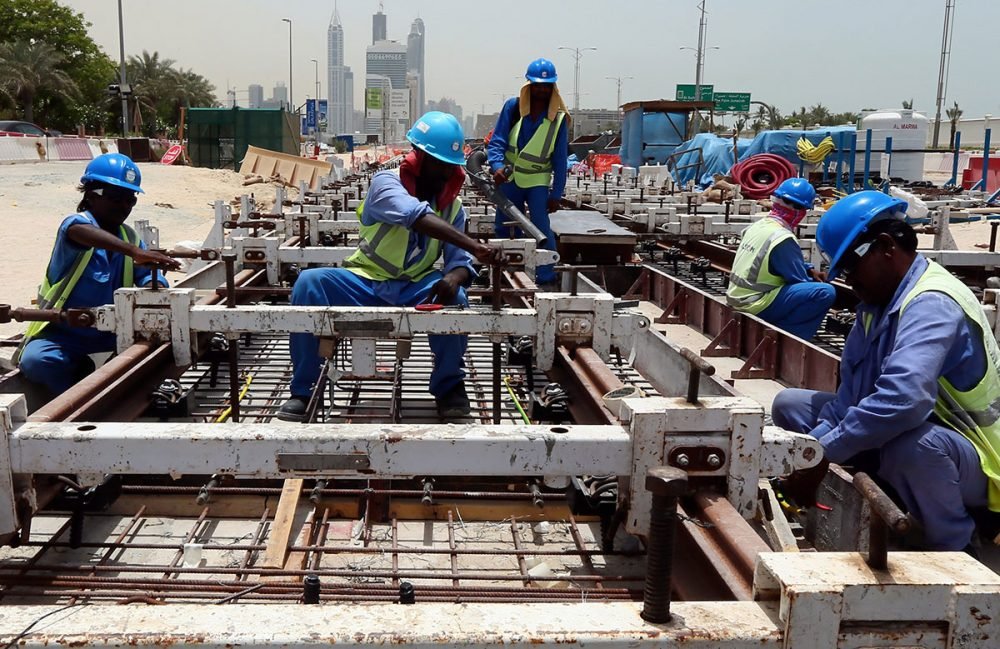
Airspace disruptions over West Asia have affected routine travel for millions of Indians living in Gulf countries. The situation has created uncertainty for workers and families dependent on frequent travel, turning regular commutes into unpredictable journeys due to ongoing regional tensions impacting flight operations.
-
Airlines increase flights to Gulf destinations
Special services added before Ramadan
Air India and Air India Express have increased flights between India and Gulf destinations to manage travel demand. Additional services, including special flights to cities like Jeddah and Muscat, aim to support workers, families and businesses, particularly ahead of Ramadan, ensuring continued connectivity despite disruptions.
-
India, UAE reassure expatriates
Stability message amid disruptions
Authorities in India and the UAE have reassured expatriates that the region remains stable and open for business despite airspace disruptions. Officials emphasised continuity of economic activity and safety, even as some routes remain suspended, seeking to calm concerns among the large Indian community in the Gulf.
-
Travellers advised to prepare for delays
Sudden changes become routine
Indian travellers heading to Gulf countries are being advised to plan for delays and last-minute changes. With flight schedules shifting frequently, passengers are urged to stay updated through airline alerts and allow extra time, as uncertainty in regional airspace makes disruptions a regular feature of travel.
-
Family returns to India for cultural roots
Diaspora story gains attention
A widely shared story of an Indian-origin family returning from the United States to India has drawn attention online. The move was driven by a desire to raise children with stronger cultural values and community connections, highlighting emotional factors influencing migration decisions among overseas Indians.
-
US healthcare costs spark debate, diaspora voices concerns
High healthcare costs in the United States have triggered debate among Indians abroad. Personal accounts of expensive insurance and limited maternity leave have resonated widely, raising questions about quality of life and prompting comparisons between financial benefits overseas and social support systems in India.
-
Many overseas Indians reject return plans
Infrastructure concerns dominate
Discussions on social media show many Indians abroad are unwilling to return home. Concerns over infrastructure, public services and daily challenges are key reasons. These views are contributing to a broader debate within the diaspora about long-term settlement, aspirations and the realities of life in India.
-
India expands consular services in US
New centres improve access
India has opened several new consular centres across the United States to improve access to passport, visa and related services. The move addresses long-standing concerns about delays and travel distances, offering greater convenience to millions of people of Indian origin living or visiting the country.
-
Europe tightens border monitoring system
Biometric tracking replaces stamps
Europe is introducing a biometric Entry/Exit System to replace traditional passport stamping. The system will closely track travellers and overstays, affecting Indian visitors and students. The change marks a shift towards stricter, technology-driven border control across the Schengen region, increasing compliance requirements.
-
First-time travellers face higher scrutiny
Travel history gains importance
Indian travellers applying for visas to developed countries are facing stricter checks, especially first-time applicants. A strong travel history is becoming increasingly important. Frequent travellers who follow rules may benefit from faster processing, creating a growing divide in access to international mobility.
-
Gulf economies reassure diaspora workers
Jobs and remittances seen stable
Despite regional tensions, Gulf countries such as the UAE have reassured expatriates that economic activity remains stable. Officials emphasised that jobs and remittance flows are secure, aiming to maintain confidence among Indian workers who form a significant part of the workforce in the region.
-
US tightens visa rules for Indians
Higher fees and stricter checks
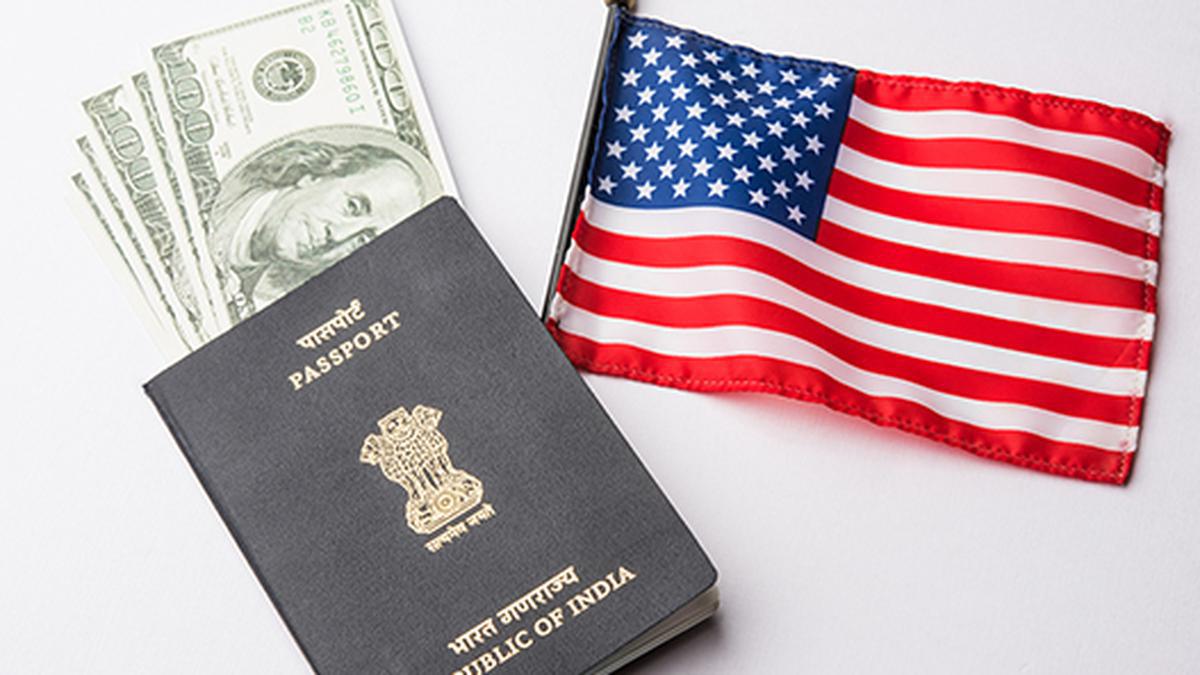
The United States has introduced stricter visa rules, including higher fees and additional documentation requirements. Applicants must now provide more detailed information, increasing both cost and processing time. The changes are making travel and study plans more complex for Indians seeking entry into the country.
-
Mobility becoming costlier for diaspora
Longer timelines, added scrutiny
For many Indians living abroad, international travel is becoming more expensive and time-consuming. Increased documentation, higher fees and longer processing times are making mobility more difficult. The trend reflects a broader global shift towards tighter migration controls and more regulated cross-border movement.
-
Philippines eases entry for Indians
Visa-free travel and work options
The Philippines has introduced visa-free entry for Indian nationals for short stays and launched a digital nomad visa. The move allows professionals to live and work remotely for extended periods, offering flexible travel options and positioning the country as an attractive destination for Indian remote workers.
-
Indian travellers seek new destinations
Familiar hubs lose appeal
Indian travellers are increasingly moving away from popular destinations like Dubai and Bali, seeking new and less familiar experiences. Changing preferences reflect a desire for uniqueness, as frequent exposure to Indian culture in these locations has reduced their appeal for some outbound tourists.
-
Diaspora campaigns promote Indian tourism
Focus on lesser-known destinations
Initiatives aimed at the diaspora are encouraging visits to lesser-known destinations within India. Campaigns urge overseas Indians to explore and promote cultural heritage sites while bringing international visitors, strengthening tourism and cultural ties between India and global Indian communities.
-
Remote work blurs travel boundaries
Long stays rise in India
The rise of remote work is encouraging longer stays in India among professionals, including those from the diaspora. Popular locations such as Goa and Rishikesh are emerging as hubs. This trend is blurring the distinction between tourism and temporary relocation, reshaping how Indians engage with travel.