
For Egyptians, Ramadan is more than a religious observance. It is a season of unity, generosity and renewal, where faith and tradition blend with celebration, creating memories that last long after Eid arrives
Egypt, often seen as the cultural heart of the Arab world, welcomes Ramadan with a special blend of spirituality, heritage and celebration.
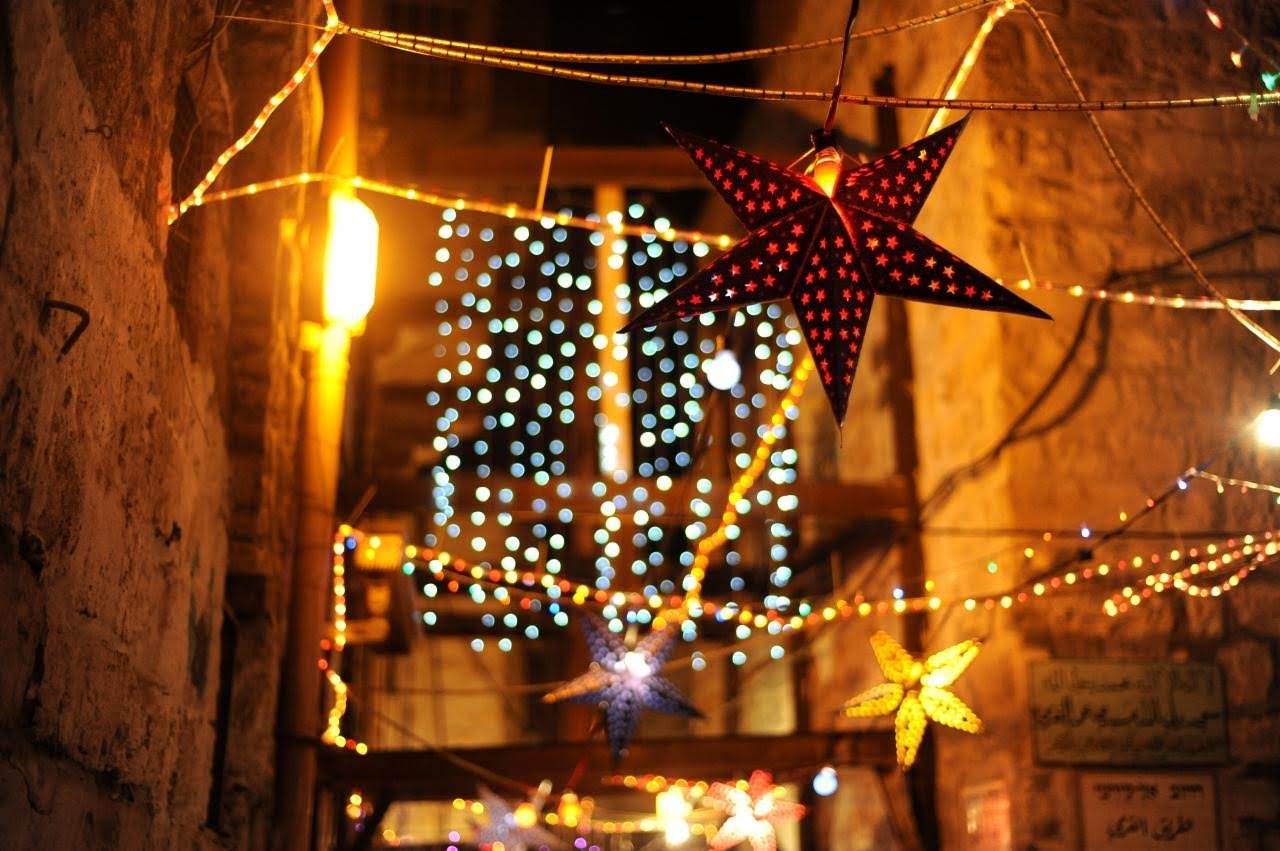
As the holy month approaches, cities and villages across the country take on a festive glow. Streets, shops and homes are decorated with colourful lanterns and lights, while the aroma of traditional dishes and sweets fills the air, creating a warm and inviting atmosphere.
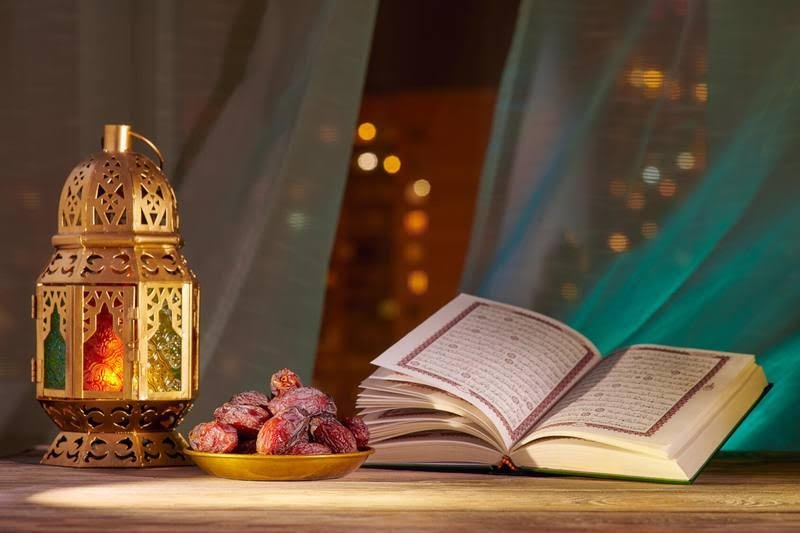
Preparations begin weeks in advance. Markets display dates, dried fruits, nuts and spices, and families stock up on ingredients for the month’s meals. When the crescent moon is sighted, greetings such as “Ramadan Kareem” and “Kul ‘Aam Wa Antum Bikhair” are exchanged, and classic folk songs echo through neighbourhoods. Children carry lanterns through the streets, adding to the sense of joy and anticipation.
-
One of Egypt’s most iconic traditions takes place at sunset
-
As the call to Maghrib prayer approaches, the historic iftar cannon is fired from Mokattam Hill near the Salah El-Din Citadel, with similar cannons across the country marking the moment to break the fast
-
Families gather around the table, starting with dates and traditional drinks such as Qamar al-Din, tamarind, hibiscus and sobya
Food is central to Ramadan in Egypt. Popular dishes include mahshi (stuffed vegetables), molokhia, roasted meats, tagines and nourishing soups. Desserts are equally important, with kunafa and qatayef among the most loved treats, filling bakeries and homes with sweetness and generosity.
Historic mosques such as Al-Azhar, Al-Hussein and Amr Ibn Al-As become spiritual hubs during the month. Thousands of worshippers attend Taraweeh and late-night prayers, while religious lessons and Quran recitations bring communities together. As dawn approaches, the mesaharati, or dawn caller, walks through streets beating a drum and waking residents for suhur, a tradition that has lasted for generations.
Ramadan in Egypt is also a time of compassion. Public charity tables, known as mawa’id al-rahman, offer free meals to anyone fasting. Donations, volunteering and acts of kindness increase throughout the month, reflecting the strong culture of giving.
In Cairo and Alexandria, Ramadan nights are lively. Historic areas like Al-Muizz Street and Khan El Khalili turn into cultural hubs with music, crafts and traditional cafés. The mix of spiritual chants, coffee aromas and bustling markets captures the timeless spirit of Egyptian Ramadan.