
-
Officials say the impact of reverse migration is already evident on the ground
-
Beyond creating employment, returning entrepreneurs are inspiring confidence among local communities and encouraging others to explore self-reliance
-
As success stories multiply, the state expects the reverse migration trend to gather pace, offering renewed hope for Uttarakhand’s villages
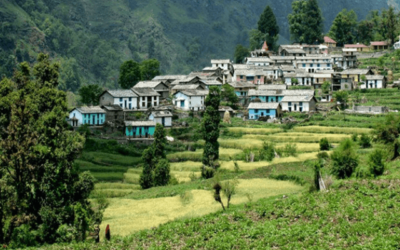
A quiet but transformative shift is unfolding across Uttarakhand’s hill districts as Non-Resident Indians (NRIs) and internal migrants who once left the state in search of better livelihoods are now returning to their native villages, reported newindianexpress.com.
Armed with global exposure, professional skills, and entrepreneurial ambition, these returnees are driving a growing trend of “reverse migration” that is reshaping the rural economy.
According to data from the Uttarakhand Migration Mitigation Commission (UMMC), entrepreneurship has emerged as the primary focus for returning migrants. Over the past five years, 6,282 individuals have returned to the state across its 13 districts, including 169 who came back from 27 countries. These returnees have channelled their international experience into building self-employment ventures rooted in local resources.
Agriculture and horticulture account for the largest share of new enterprises, comprising nearly 39 per cent of the ventures launched by returnees. Many are adopting modern farming practices, value addition, and digital marketing to make traditional occupations economically viable. Tourism and homestay initiatives form the second-largest segment at 21 per cent, reflecting Uttarakhand’s growing appeal as a destination for experiential and eco-tourism. Other areas of activity include animal husbandry (18 per cent) and small businesses such as shops and eateries (6 per cent).
The report quoted UMMC Vice Chairman Dr S.S. Negi, who noted that returnees are coming from a wide range of countries, including China, Oman, Dubai, France, Australia, Germany, Japan and the United States, particularly California. Tehri district has recorded the highest number of returnees so far. “They are blending international exposure with local knowledge to create sustainable livelihoods,” he said, adding that such initiatives are already yielding visible results.
In Uttarkashi, for instance, returning migrants have successfully begun marketing millets through online platforms, expanding their reach beyond local markets. Officials believe this fusion of traditional produce with digital tools could become a model for other hill regions.
To further strengthen this movement, the state government is planning to institutionalise engagement with the returning diaspora. Chief Minister Pushkar Singh Dhami has directed that ‘Pravasi Panchayats’ or Migrant Councils be organised at the district level this year. These forums will allow returnees to share experiences, address challenges, and contribute ideas for rural development.