
For the rupee to show meaningful recovery, experts say it must reclaim the 89.80 level. Until then, volatility is likely to persist as global uncertainties and domestic demand continue to shape market behaviour
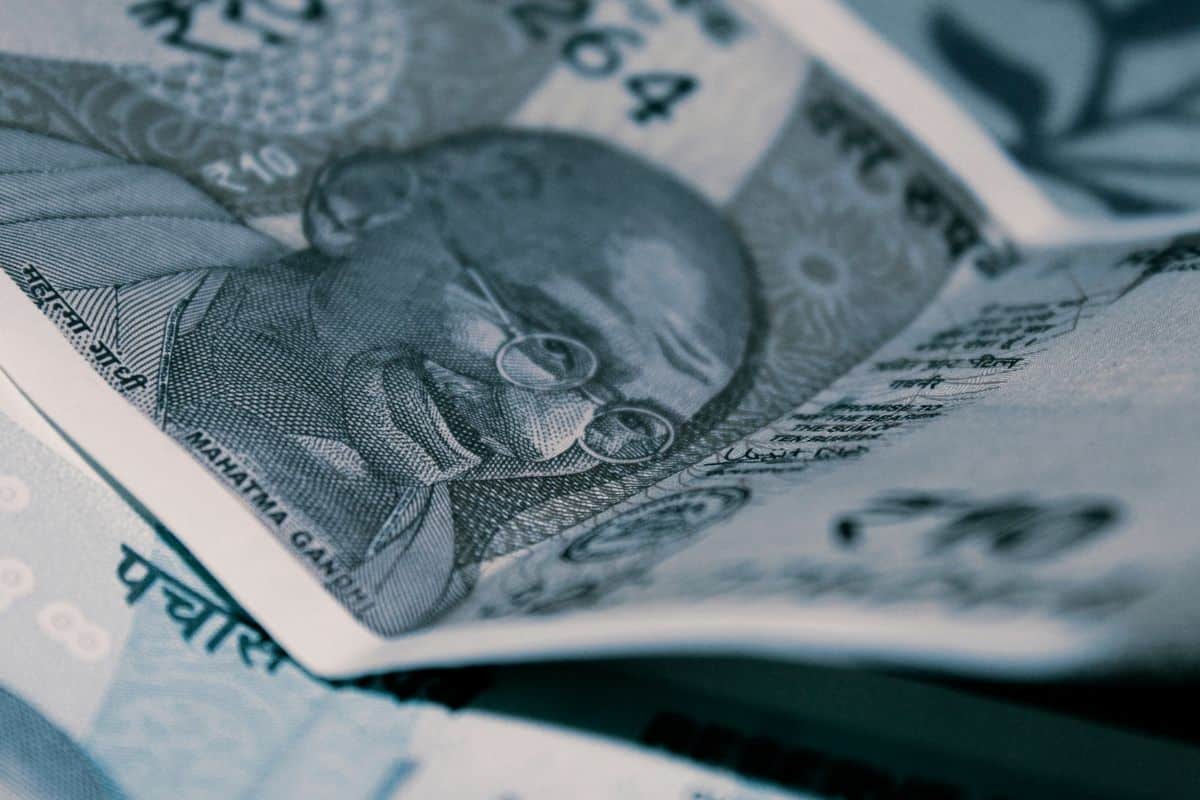
The Indian rupee breached the 90-per-US-dollar mark for the first time, closing at 90.19, as pressure from foreign portfolio investor (FPI) outflows, uncertainties surrounding the India-US trade deal, and strong importer demand continued to weigh heavily on the currency. The rupee touched an intraday low of 90.30, signalling sustained depreciation despite reported Reserve Bank of India (RBI) intervention.
FPIs have withdrawn more than ₹1.52 lakh crore from Indian equities this year, including ₹8,369 crore in just the first three days of December. This persistent selling has weakened sentiment around emerging market currencies. Analysts note that global investors are increasingly cautious due to tariff-related uncertainties in US-India negotiations, which have supported the US dollar and pressured regional currencies.
Importers in sectors such as oil, electronics, and metals added further strain by stepping up dollar purchases to manage payment obligations. Traders reported that the breach above the 90 level triggered a wave of stop-loss orders from leveraged market participants, accelerating the currency’s slide.
-
Though the RBI was seen moderating volatility, analysts suggest the central bank avoided defending any fixed level
Its long-held position is to smooth fluctuations rather than maintain a predetermined exchange rate
The rupee’s decline has also widened the India–US 10-year yield spread to nearly 250 basis points, the highest in a year. This has raised hedging costs, with forward premiums jumping across tenors. The one-year USD/INR forward premium has risen by more than 12 bps over three sessions, while the one-month tenor surged to a seven-month high.
Economists say the depreciation offers marginal benefits to exporters but increases the cost burden for importers and could add inflationary pressure if the slide continues. Chief Economic Advisor V. Anantha Nageswaran, however, downplayed concerns, stating that the fluctuation is not significantly affecting inflation or export performance.
Several analysts predict the rupee may remain under pressure in the near term, especially before the upcoming RBI policy meeting. Some believe a further 2–3% depreciation is possible to support export competitiveness, in line with Real Effective Exchange Rate (REER) expectations.