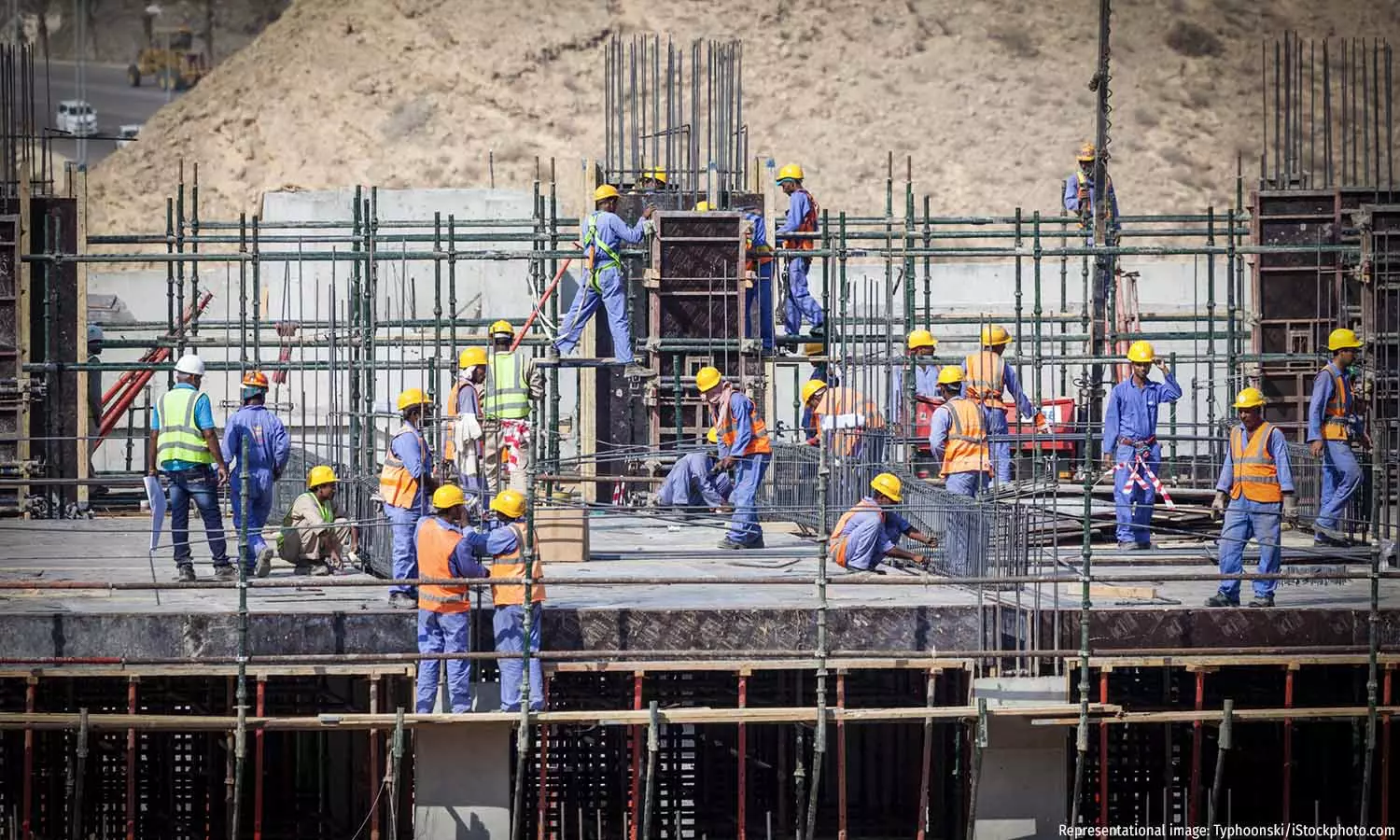

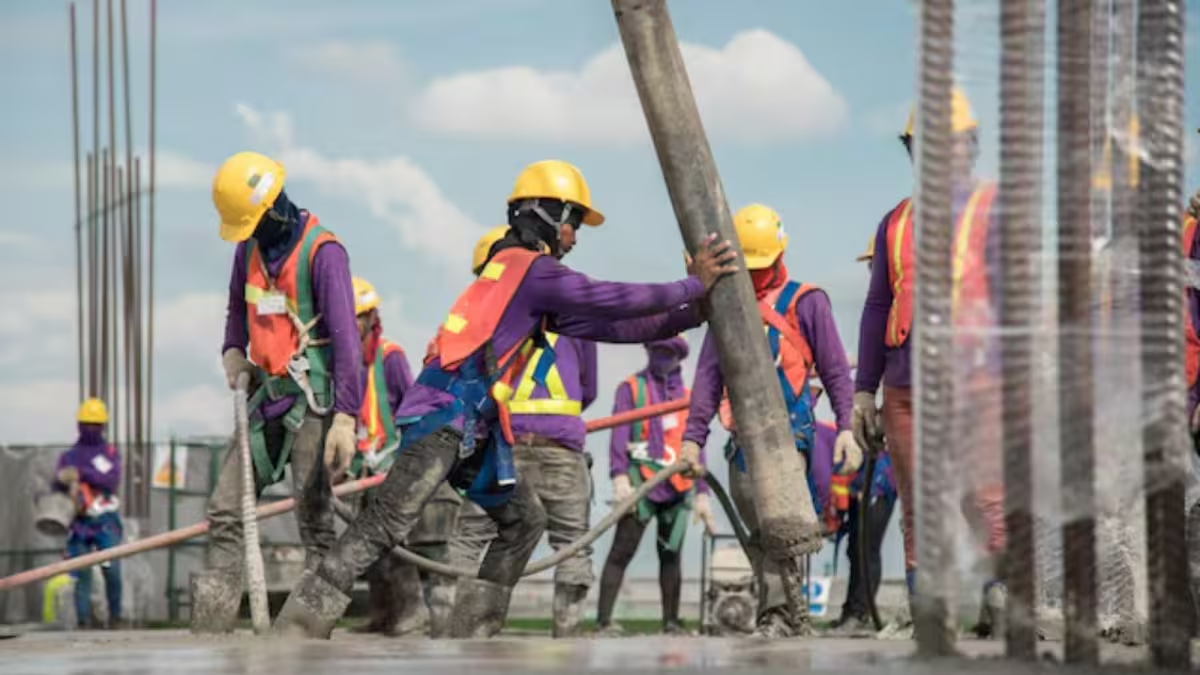
* Russia is increasingly turning to India to address a widening labor shortage that is straining its economy, with plans underway to bring in at least 40,000 Indian workers in 2026
The move reflects a broader strategy by Russian authorities to stabilize key sectors amid persistently low unemployment and rising demand for skilled and semi-skilled labor.
PRAVASISAMWAD.COM
According to Russian officials, interest in Indian workers has grown steadily over the past few years. Work permits issued to Indian citizens have risen sharply—from around 8,000 in 2022 to more than 14,000 in 2023, and approximately 36,000 in 2024. This upward trend is set to continue. For 2025, Russia approved a total quota of nearly 235,000 jobs for citizens of visa-required countries, with roughly 30 percent—about 71,800 positions—earmarked specifically for Indian nationals.
-
A key driver behind this push is a labor mobility agreement signed by Russia and India in December during Russian President Vladimir Putin’s visit to India
-
The agreement aims to streamline recruitment processes, reduce administrative hurdles, and facilitate the movement of Indian workers into the Russian labor market
-
Indian diplomatic officials have previously suggested that, over time, the Indian workforce in Russia could grow significantly, potentially reaching several hundred thousand
Russia’s labor crunch has intensified since the onset of the war in Ukraine, which has disrupted demographics, migration patterns, and workforce availability. Estimates from the Higher School of Economics indicate that Russian companies were short about 2.6 million workers by the end of 2024. Projections from the Labor Ministry warn that the gap could widen to over 3 million by 2030, with the economy potentially requiring more than 12 million foreign workers by the early 2030s to sustain growth.
Despite these shortages, unemployment remains at historic lows. Official data showed an unemployment rate of around 2.1 percent as of August 2025, underscoring the imbalance between labor supply and demand. Analysts note that businesses continue to compete for a shrinking pool of workers.
To ease the pressure, Russian authorities and employers have rolled out a range of measures. These include proposals to raise annual overtime limits, simplify hiring rules for minors, and restore pension indexation for retirees who remain in the workforce. While such steps may provide short-term relief, officials increasingly see foreign labor—particularly from India—as essential to filling long-term gaps.
At the same time, concerns have emerged in India over reports that some citizens were misled into joining Russia’s military effort. Families of affected individuals have urged Indian authorities to intervene and crack down on fraudulent recruitment networks, highlighting the need for transparency and safeguards as labor ties deepen.