
Indraiah’s life and death stand as a powerful reminder that true legacy lies not in wealth alone, but in gratitude, service and remaining rooted to one’s beginnings
PRAVASISAMWAD.COM
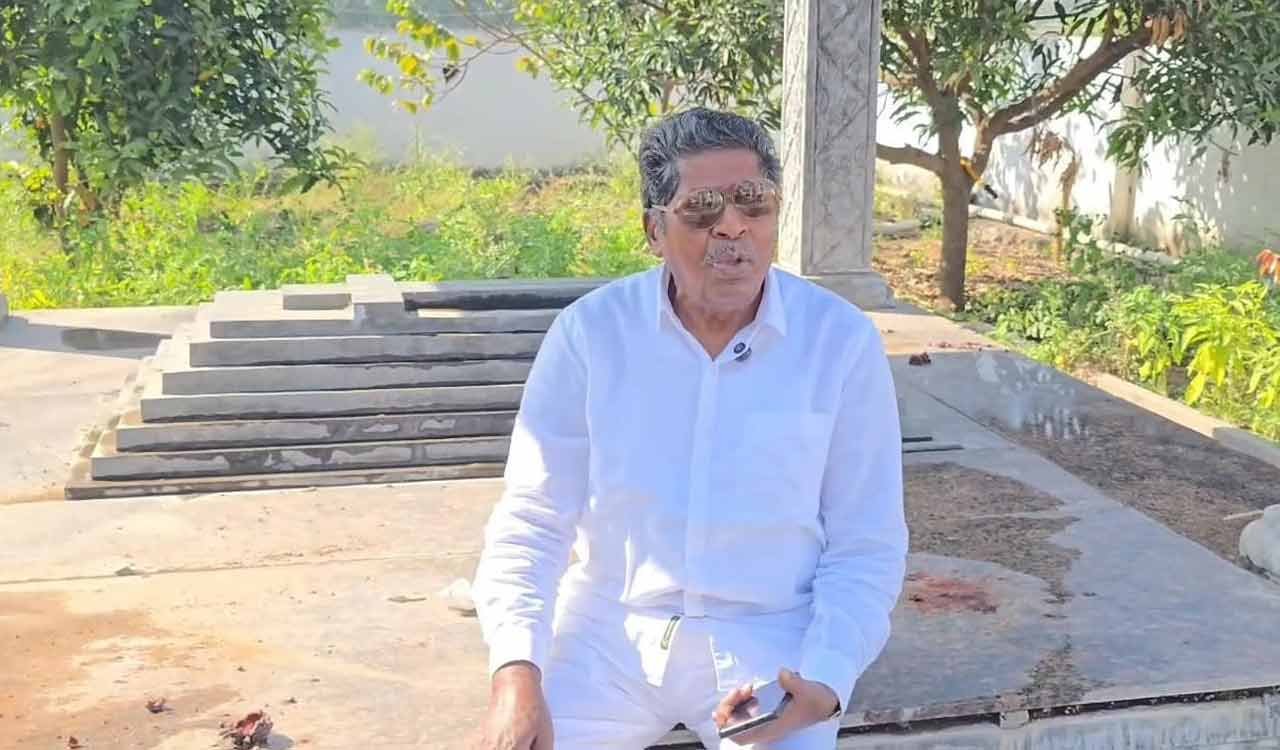
In a poignant story that blends foresight, humility and an unbreakable bond with one’s roots, Gulf-returned NRI Nakka Indraiah was laid to rest on Saturday in the very grave he had built for himself years earlier in his native village of Laxmipur, in Telangana’s Jagtial district.
At a time when most people shy away from conversations about mortality, Indraiah approached the idea of death with rare calm and acceptance. Several years ago, he commissioned the construction of his own final resting place at an estimated cost of ₹10 lakh. Crafted using premium-quality marble and refined architectural detailing, the structure was built by a specialised masonry team brought in from Tamil Nadu, villagers recalled.
-
The grave was not merely a monument but a space Indraiah nurtured with devotion
-
He reportedly visited it daily, carefully cleaning and polishing the marble while tending to the landscaped plants around it
-
For him, it symbolised peace, preparation and a lifelong connection to the land that shaped his journey.
After being unwell for about a week, Indraiah passed away recently. His burial took place on Saturday, fulfilling a decision he had made consciously during his lifetime. Interestingly, his wife had passed away earlier and was the first to be buried in the tomb, as her death occurred after its construction.
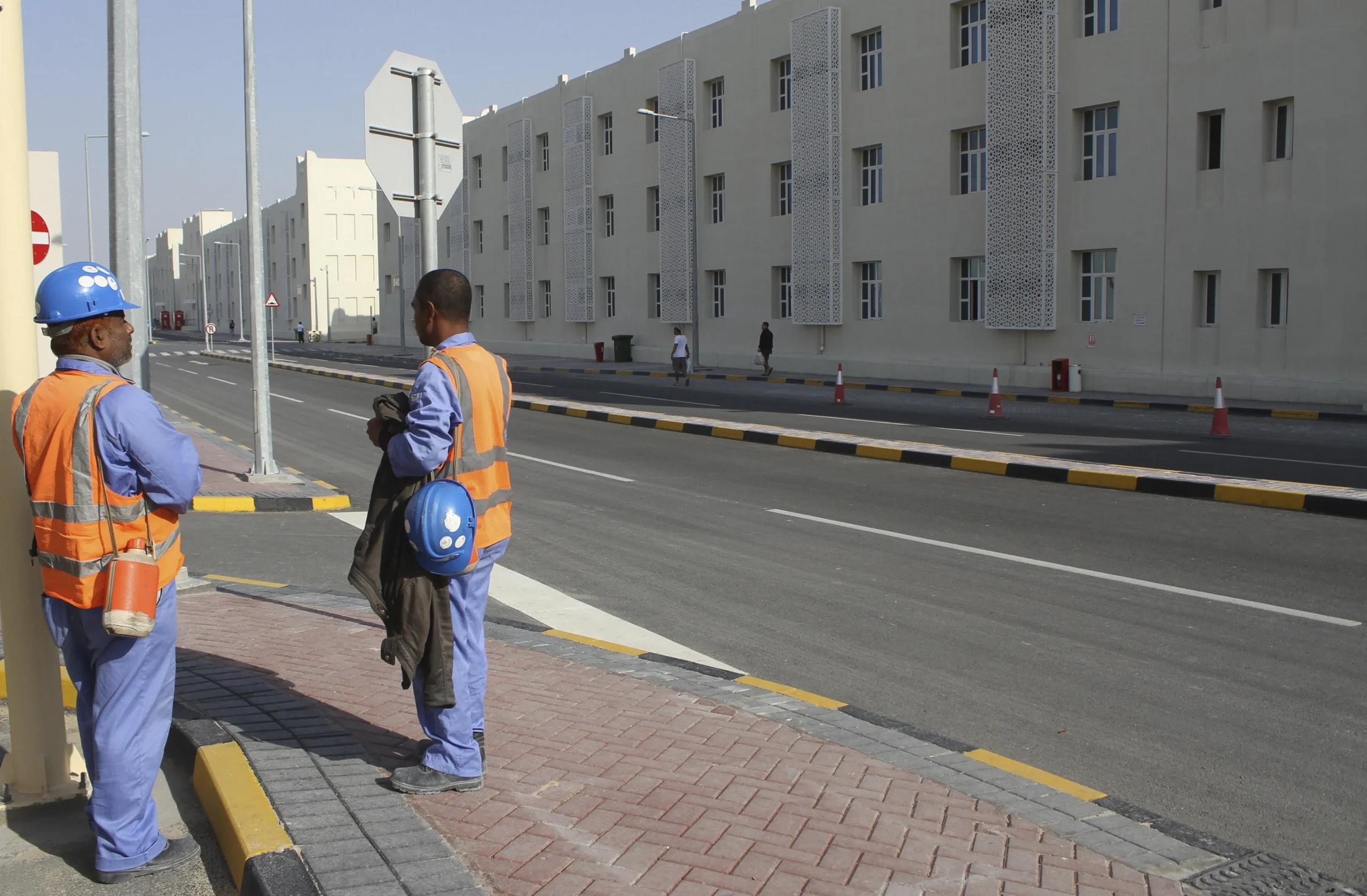
Indraiah’s life was marked by extraordinary transformation. Born into a landless Dalit family and orphaned at a young age, he began working as a child labourer under a local landlord to survive. Illiterate and impoverished, he later moved to Mumbai before migrating to Dubai during the 1970s—a period when the emirate was just beginning to emerge as a hub for migrant workers.
Starting out as a construction labourer, Indraiah gradually built his way up, eventually establishing his own business. Decades of perseverance turned him into one of the wealthiest individuals in his village, though his success never distanced him from his origins.
On returning to Laxmipur, he channelled his resources into community development. He constructed a school building on a large tract of land, built a striking entrance arch for the village, and funded multiple religious institutions. After converting to Christianity and taking the name John, he built a church, while also emerging as the largest donor for both the local temple and mosque.