

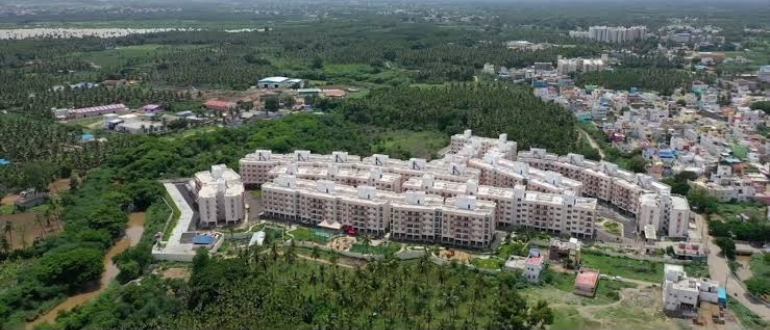
With sustained government backing, improved connectivity, and rising commercial activity, these smaller cities are well-positioned to shape the next phase of India’s real-estate landscape
India’s Tier-2 and Tier-3 cities have steadily transformed into major real-estate hotspots over the past decade, reshaping investment patterns for domestic buyers, NRIs, and first-time investors. Towns such as Mohali, Lucknow, Dehradun, and Indore are now among the top emerging markets, driven by affordability, rapid infrastructure development, and broader economic expansion, reported tribuneindia.com.
A major factor behind this shift is the substantial improvement in regional infrastructure. New expressways, integrated townships, industrial corridors, and upgraded airports have boosted accessibility and enhanced the overall investment climate. One noteworthy example is the upcoming Chandigarh-Ambala Greenfield Corridor, expected to ease congestion across Chandigarh, Zirakpur, Panchkula, Mohali, and Kharar. Real-estate experts note that such projects are redefining the potential of non-metro cities.
The report quoted Udit Jain, Director of ONE Group, saying infrastructure development has been the fundamental catalyst powering real-estate growth in smaller cities. New logistics hubs, improved connectivity, and the proliferation of business parks have created a favourable environment where property values can appreciate steadily.
- Government policies have played an equally significant role. Programs like the Smart Cities Mission and AMRUT aim to reimagine 100 Indian cities as efficient, sustainable, and technology-enabled urban spaces
- These initiatives strengthen trust among long-term investors who seek regulated and planned development
A silent but essential contributor to rising demand is the diversification of India’s employment geography. IT firms, start-ups, manufacturing zones, and logistics companies are increasingly expanding into Tier-2 and Tier-3 markets, reducing dependence on metro cities. As a result, local housing demand is backed by real job opportunities rather than speculation.
For NRIs, these cities offer lower entry prices, stable rental potential, and growth-linked returns. Many see them as a balanced alternative to expensive metro markets. First-time Indian investors too are drawn to the affordability and long-term appreciation prospects.