
The developments signal a continuation of the Trump administration’s focus on trade protectionism, highlighting the challenges and opportunities for American agriculture amid global market competition
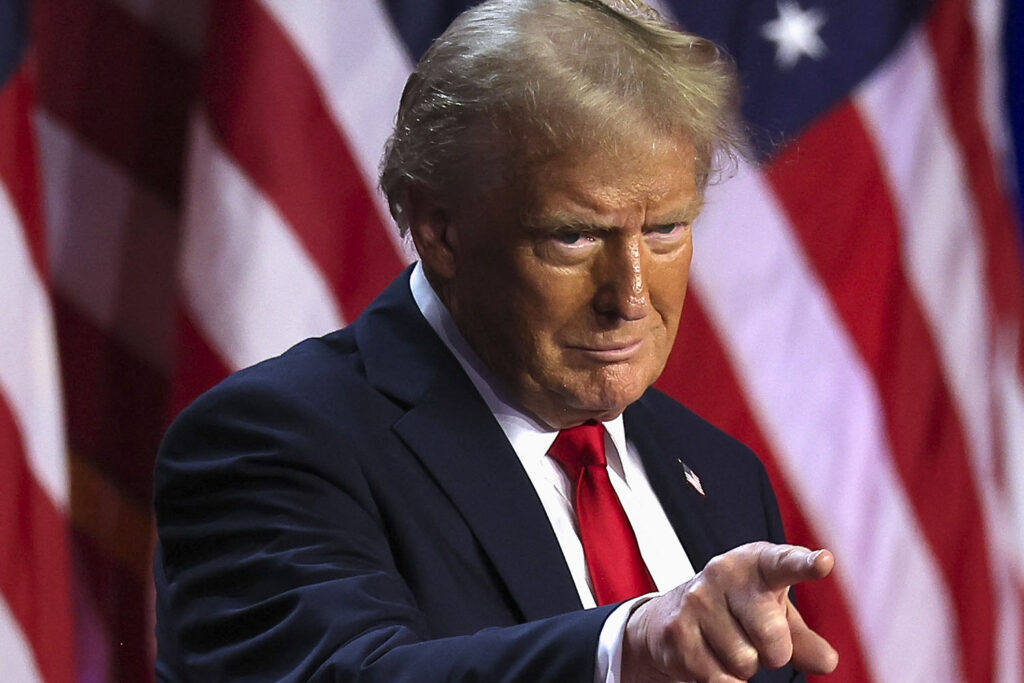
US President Donald Trump has indicated that his administration may introduce new tariffs on agricultural imports, particularly rice from India and fertiliser from Canada. Speaking at a White House meeting, Trump expressed concerns over what he described as “dumping” of Indian rice into the US market, suggesting that New Delhi should face tariffs to protect American farmers.
Farmers in the United States have long raised concerns over declining rice prices, blaming cheaper imports from countries such as India, Vietnam, and Thailand for undercutting domestic production. Trump emphasized that the US would address the issue, stating, “Why is India allowed to do that (dumping rice into the US)? They have to pay tariffs. Do they have an exemption on rice?” During the meeting, United States Secretary of the Treasury Scott Bessent clarified that there were no exemptions and noted that the US was actively negotiating a trade deal with India.
Trump reiterated that India could not continue dumping rice into the US and suggested that appropriate measures, including tariffs, would be applied if necessary
In addition to rice, Trump announced plans to impose tariffs on fertiliser imports from Canada. He argued that this move would strengthen domestic production, saying, “A lot of it does come in from Canada, and so we’ll end up putting very severe tariffs on that, if we have to, because that’s the way you want to bolster here. And we can do it here. We can all do that here.”
The announcement coincided with a USD 12 billion support package for American farmers, aimed at mitigating the pressures caused by inflation and market challenges linked to previous trade policies. Farmers have faced sustained difficulties due to fluctuating prices and international competition, making this support a significant relief.
Earlier this year, the Trump administration had introduced a 50 percent tariff on several products from India, citing restrictive trade practices and high energy imports. As part of ongoing efforts to resolve trade tensions, a US delegation is scheduled to visit India this week to further discussions on a potential trade agreement. Negotiations with both India and Canada are ongoing, and any new tariffs would form part of a broader strategy to protect domestic industries and ensure fair trade practices.