
Pravasi Samwad News Bureau
Oman has previously hosted indirect talks in Muscat between Washington and Tehran, particularly over Iran’s nuclear programme and broader regional security
Analysts say the Sultanate’s balanced foreign policy continues to make it a key bridge in times of crisis
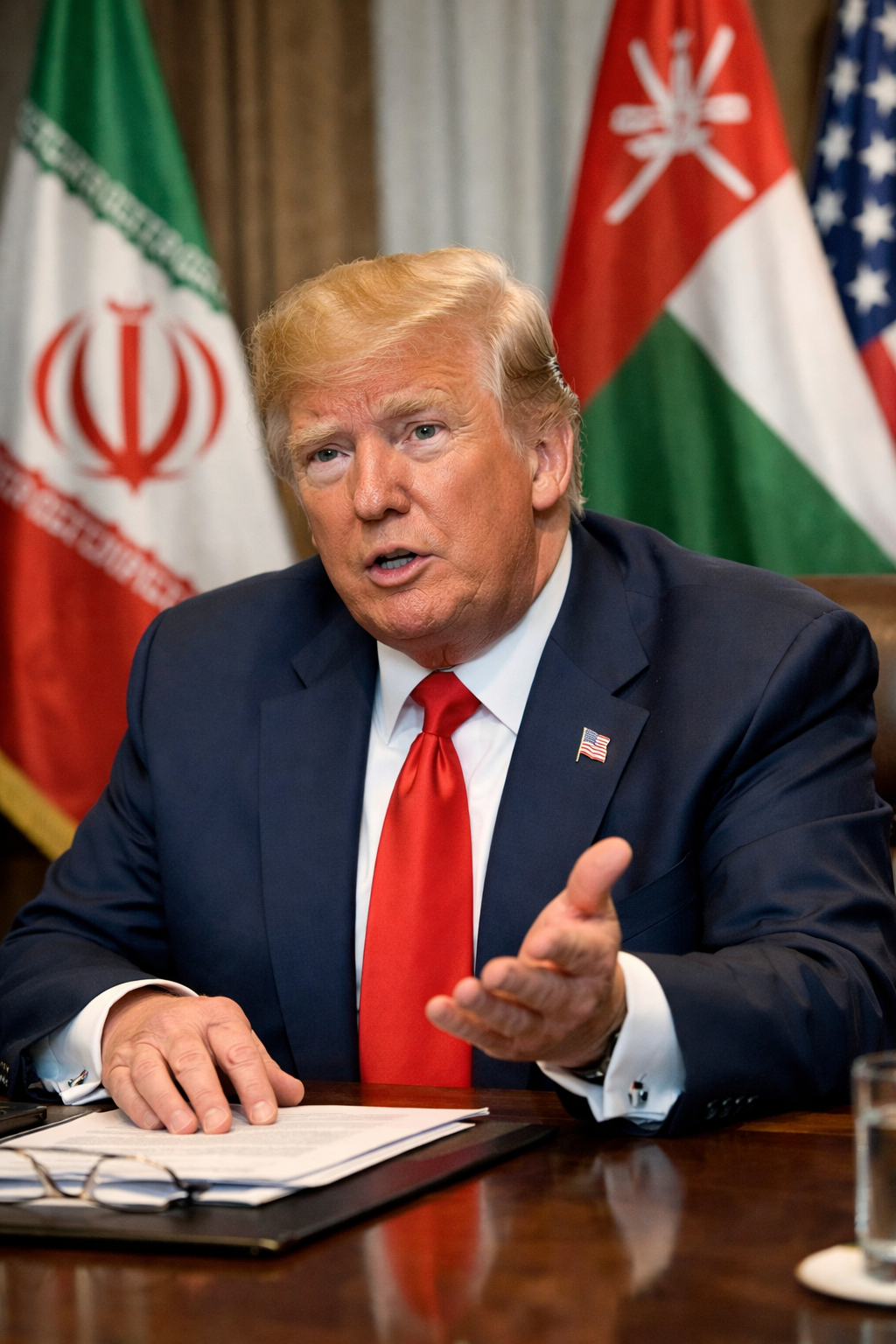
Fresh diplomatic efforts may reopen talks between the United States and Iran, after US President Donald Trump said he had agreed to speak with Tehran’s leadership. His remarks came after Iran reportedly sent a message through Oman, which has long acted as a neutral mediator between the two sides.
In an interview with The Atlantic from his residence in Florida, Trump said Iran’s new leadership wanted to talk and that he had agreed. “They want to talk, and I have agreed to talk,” he said, adding that the discussions should have taken place earlier. However, he did not provide details about who would represent Iran or when the talks might happen.
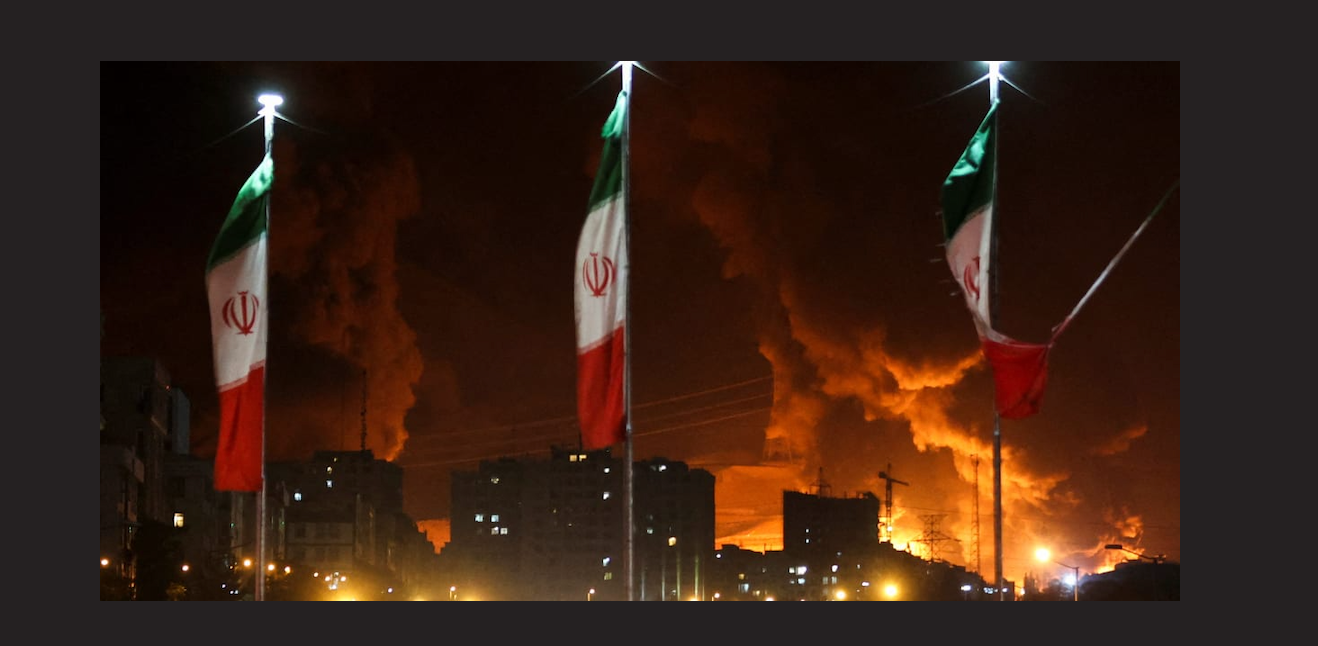
The diplomatic signals come amid rising military tensions. Iran launched a second day of strikes in response to continuing US-Israeli air raids. While Oman had initially been spared during the first wave of Iranian attacks, two drones later targeted the port of Duqm, injuring one expatriate worker, according to state media.
Oman’s Foreign Minister Badr Albusaidi has been actively involved in mediation efforts. In a recent call with his Iranian counterpart Abbas Araghchi, Albusaidi reaffirmed Oman’s call for an immediate ceasefire and a return to dialogue that addresses the concerns of all parties
According to Oman’s foreign ministry, Araghchi said Iran was “calling for peace” and expressed openness to serious efforts aimed at stopping further escalation and restoring stability.