

The issue continues to highlight broader challenges within the U.S. immigration system and its alignment with labor market needs
PRAVASISAMWAD.COM
A renewed legislative push in the United States is bringing fresh attention to the long-standing green card backlog that heavily impacts Indian professionals. Lawmakers have reintroduced proposals aimed at easing per-country caps and accelerating employment-based immigration processing, triggering widespread discussion among diaspora communities.
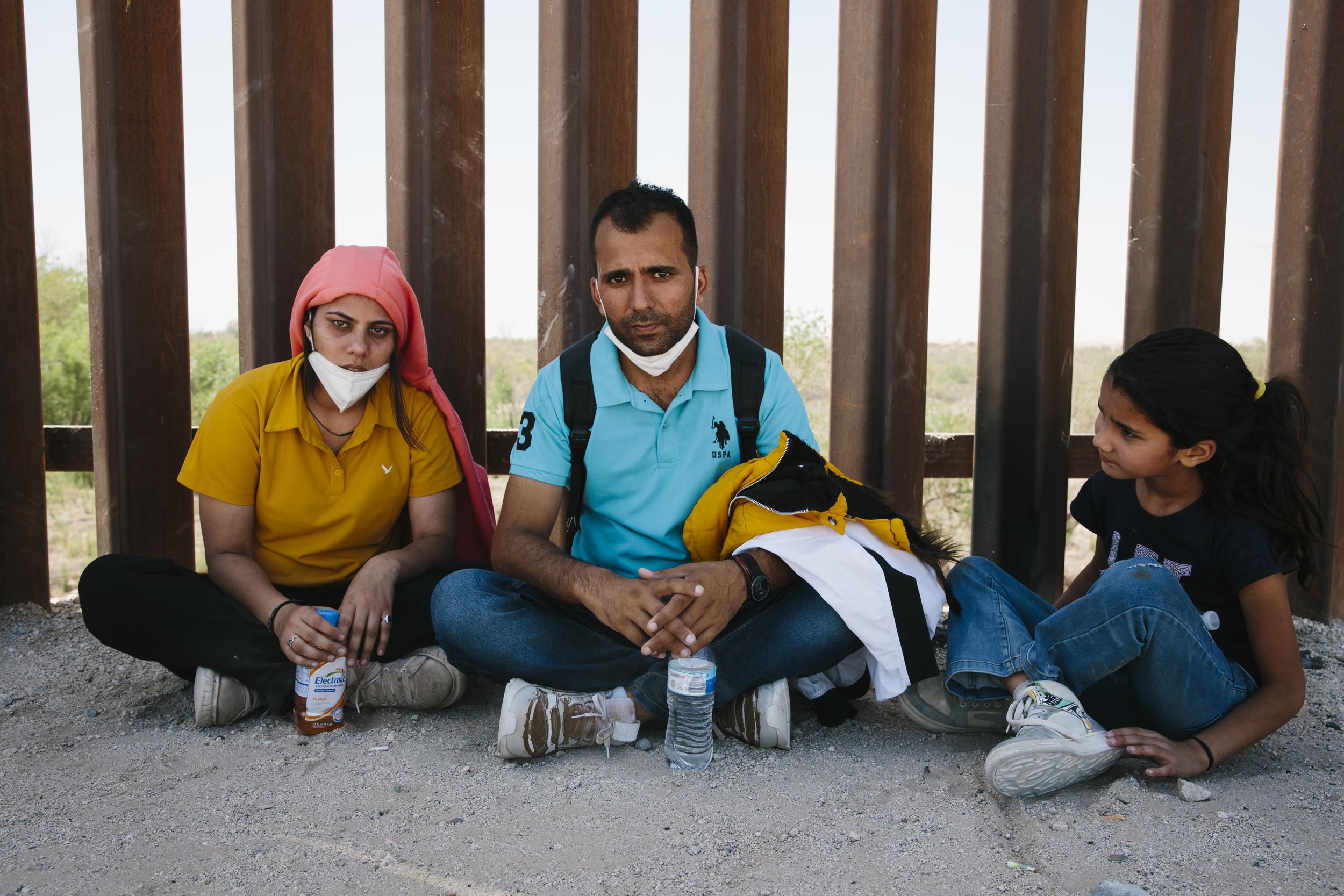
Indian nationals account for the largest share of applicants stuck in employment-based green card queues, particularly in the EB-2 and EB-3 categories. In many cases, waiting periods extend for decades, creating uncertainty around long-term residency and career planning.
Advocacy groups representing Indian professionals have welcomed the renewed focus, emphasizing the need for structural reform. Many skilled workers, especially in technology and healthcare sectors, face limitations on job mobility and family security due to their temporary visa status.
-
Employers have also expressed concern that prolonged delays may lead to talent attrition, with professionals considering opportunities in countries offering faster residency pathways
-
Industry representatives argue that reducing the backlog would strengthen workforce stability and innovation capacity
The proposed measures include redistributing unused visa numbers, removing per-country limits, and improving processing efficiency. However, immigration reform remains politically sensitive, with differing views among policymakers.
Indian diaspora organizations are intensifying outreach efforts, engaging with legislators and raising awareness about the economic contributions of affected workers.
The development has generated cautious optimism among applicants, though experts note that legislative approval could take time.