
-
Recognised by UNESCO and the United Nations, World Radio Day reminds us that radio is more than a medium
-
It is a powerful tool for information, culture, and dialogue—an ever-present signal that connects people across borders, languages, and generations
In the quiet hours before sunrise, many people around the world start their day with the sound of radio. In Saudi Arabia, for example, the recitation of Quranic verses on Holy Quran Radio is a familiar morning ritual, heard in kitchens, cars, and workplaces. These everyday moments explain why radio continues to be a trusted companion despite the rise of digital media.
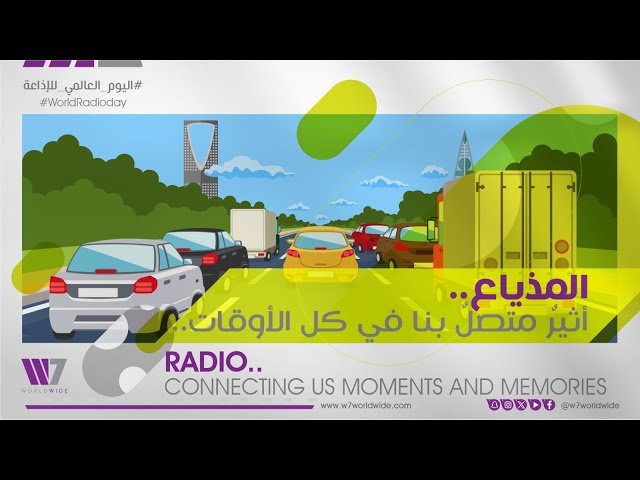
Observed every year on 13 February, World Radio Day celebrates one of the oldest yet most resilient forms of mass communication. Radio remains relevant because it is simple, affordable, and accessible. It reaches people in cities and remote areas alike, works during emergencies, and does not require expensive devices or high-speed internet.
-
Saudi Arabia’s radio journey began in Jeddah in 1949 and has since grown into a diverse network of public and private stations
-
Channels such as Radio Riyadh, Holy Quran Radio, and Radio Jeddah offer news, cultural programmes, and religious content, while private stations like MBC FM and Rotana FM cater to entertainment and youth audiences
-
Together, they reflect the country’s social and cultural diversity
Radio has also embraced the digital age. Many stations now stream online, offer mobile apps, and produce podcasts, allowing listeners to tune in anytime and anywhere. Yet, its human voice and emotional connection remain unchanged, bridging generations and communities.
Recent developments, including global broadcasting partnerships and new programme packages, show how radio continues to evolve. Events like the Saudi Media Forum have highlighted innovation and digital transformation in the audio sector, supported by growing investment in media training and content creation.